REVIEW · WHISTLER
Whistler: Glacier Helicopter Tour and Mountain Landing
Book on GetYourGuide →Operated by Blackcomb Helicopters · Bookable on GetYourGuide
Glaciers from the sky beat postcards. In a tight 45-minute helicopter tour, I love how you get up close views of ancient glaciers and the grandeur of the Coast Mountains, with guided live commentary through headphones as you fly. You also get the big payoff of stepping out at a remote mountain top for photos and time to take it all in.
The one catch to plan around: the mountain landing is weather dependent and only happens if it’s safe, and the tour price covers the flight even if that extra landing doesn’t occur.
In This Review
- Key things that make this Whistler glacier flight worth it
- Where the tour starts and what 45 minutes really means
- Climbing out of Whistler Valley toward the Coast Mountains
- Seeing 12,000-year-old glaciers up close (and why the headphones matter)
- The mountain-top landing and photo time: what to expect when you step out
- The return leg: brief flying, then back to solid ground
- Price and value: what $325 buys you (and what it doesn’t)
- Who should book this glacier helicopter tour
- Practical tips for a smoother flight day
- Should you book this glacier helicopter tour?
- FAQ
- How long is the Whistler Glacier Helicopter Tour?
- What is the meeting point?
- Is live commentary included?
- Does the tour include a mountain landing?
- What should I bring?
- What items are not allowed?
- Is this tour wheelchair accessible?
- What language is the tour guide?
Key things that make this Whistler glacier flight worth it
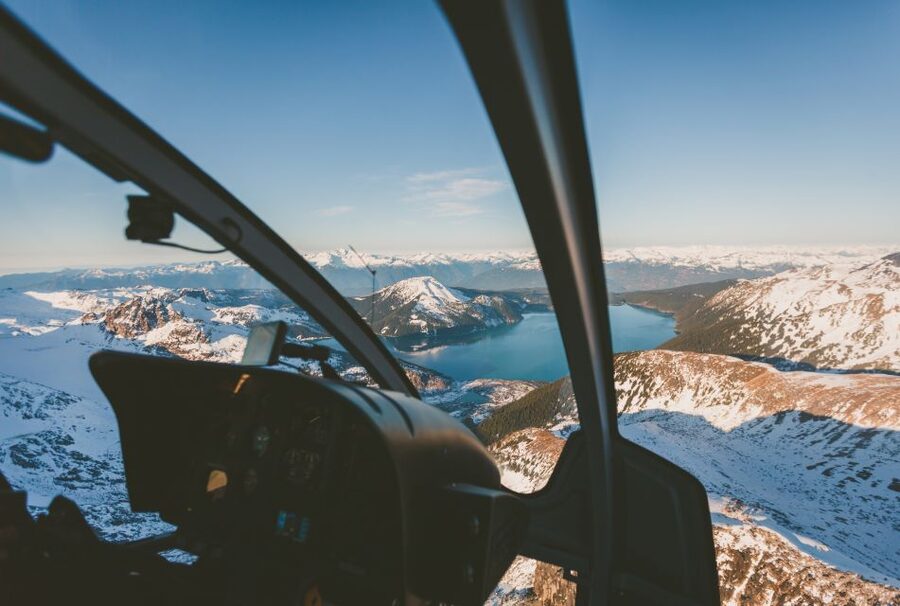
- 12,000-year-old glacier views that you can actually see, not just guess at
- Headphone commentary so you understand what you’re looking at while you look
- A mountain-top stop with time to stretch your legs and shoot photos
- Coast Mountains flying starting from the north end of Whistler Valley
- Professional, friendly pilots noted in recent feedback, including guides like Mack, Douglas, Nick, and Brooklyn
Where the tour starts and what 45 minutes really means
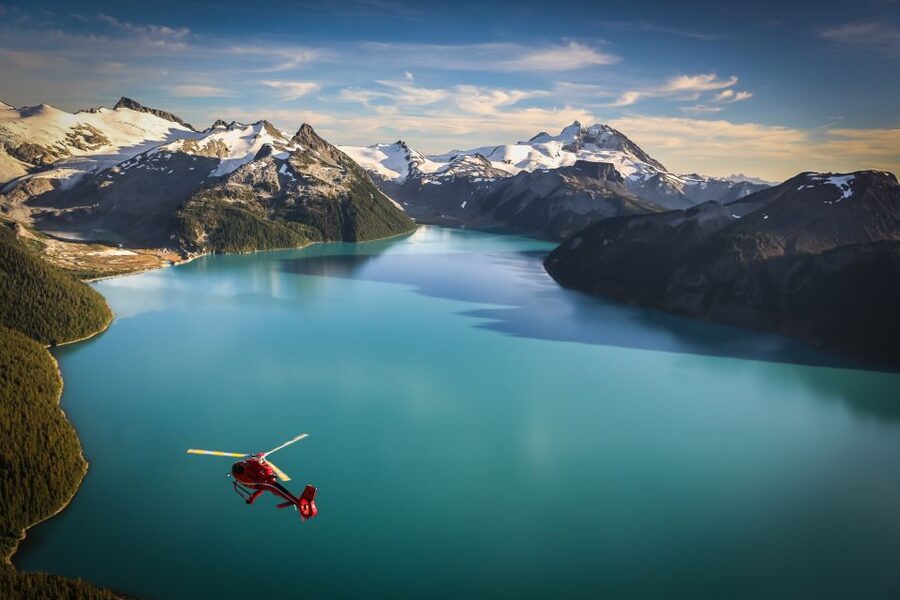
You’ll check in at the Blackcomb Helicopters reception building in Whistler (that’s the practical start line). Then it’s straight into the aircraft routine: headsets on, listen for instructions, and get ready for the most time-efficient way to see the Whistler area from above.
A 45-minute total duration sounds short until you realize what helicopters do best. You’re not driving to viewpoints and waiting for traffic. You’re doing the hard part—getting you high, fast, and directly over the glacier country and peaks in the Coast Mountains. The result is a flight that feels like a guided aerial tour, not a long transfer.
Also, I appreciate that the experience is built around comfort and communication. You get headsets and live, in-flight guidance from your pilot. That matters because at helicopter height, the terrain moves fast, and it’s easy to miss details if you’re just staring out a window.
You can also read our reviews of more tours and experiences in Whistler.

Climbing out of Whistler Valley toward the Coast Mountains
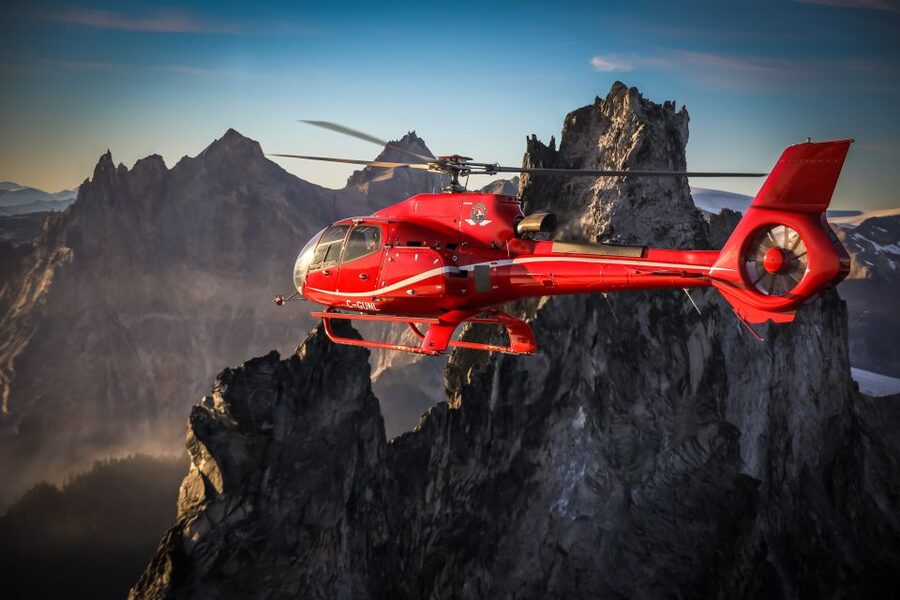
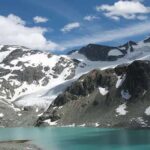
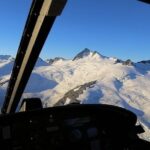
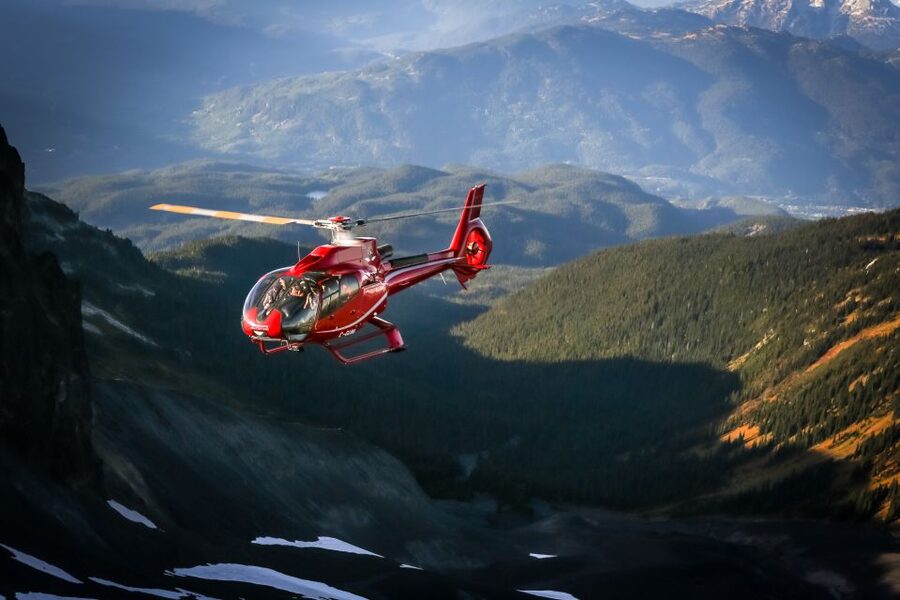
After takeoff from the north end of the Whistler Valley, you start rising into the Coast Mountains. This is the part where the scenery flips from “nice mountain town” to “serious wilderness.” You’ll pass over dramatic peaks and see the way glaciers sit inside the larger mountain walls.
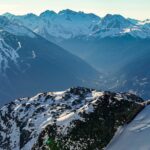
For many people, the best part is the sense of scale. From ground level, it’s hard to tell how massive a glacier system is or how wide the valleys are. From the air, the ice doesn’t look like one feature—it looks like a whole world of shapes carved and reorganized over thousands of years.
If you’re the kind of traveler who likes to orient quickly, you’ll also like the route logic. You’re guided along what you’re seeing rather than just being sent off in every direction. That live commentary helps you connect what you view to the big picture: glaciers, peaks, and the wider mountain range structure.
Seeing 12,000-year-old glaciers up close (and why the headphones matter)
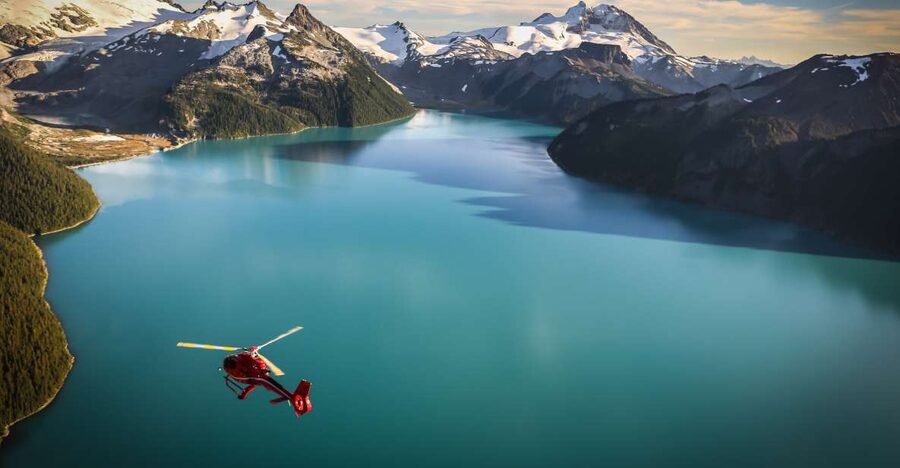
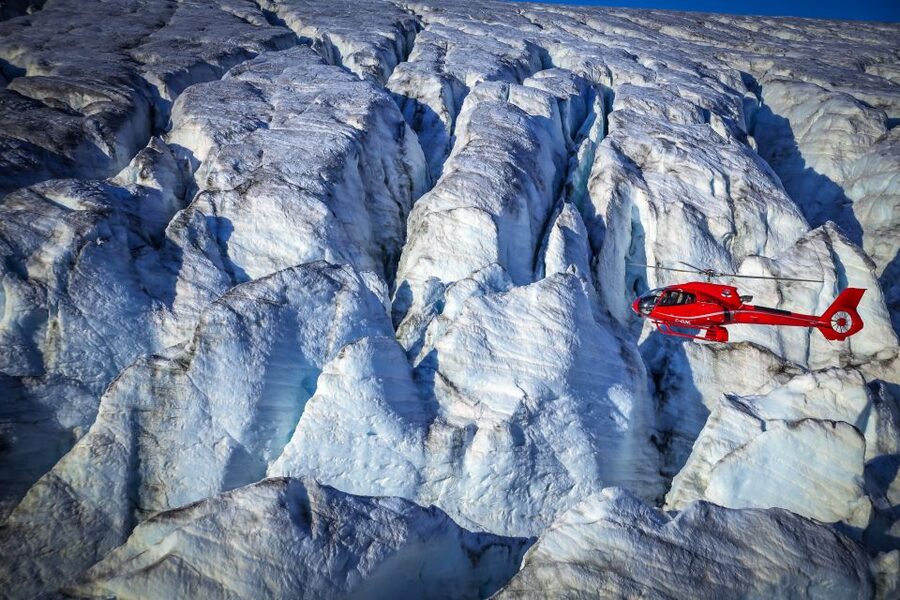
The headline here is getting close to glaciers that are described as 12,000 years old. That’s not a “cute fact” detail. It changes how you look at the ice. Instead of treating it like scenery, you’re viewing a slow-moving remnant of a much older climate story—something that still shapes the land today.
And the headphones are a big deal for your experience quality. As you fly, you’ll have live commentary through your headset so you understand what you’re seeing in the moment. You’re not stuck with a silence-and-guessing situation. Instead, your pilot explains the terrain features while you’re actually looking at them.
Recent feedback also points to pilots who make this part feel smooth and fun—names that come up include Mack, Douglas, Nick, and Brooklyn. The common thread isn’t just friendliness. It’s that the commentary is professional enough to be informative, but not so stiff that it kills the vibe.
One more practical note: helicopter views can make you want to keep snapping photos. The guide narration helps you time your shots around landmark moments—so you’re not only photographing, you’re also learning what you photographed.
The mountain-top landing and photo time: what to expect when you step out
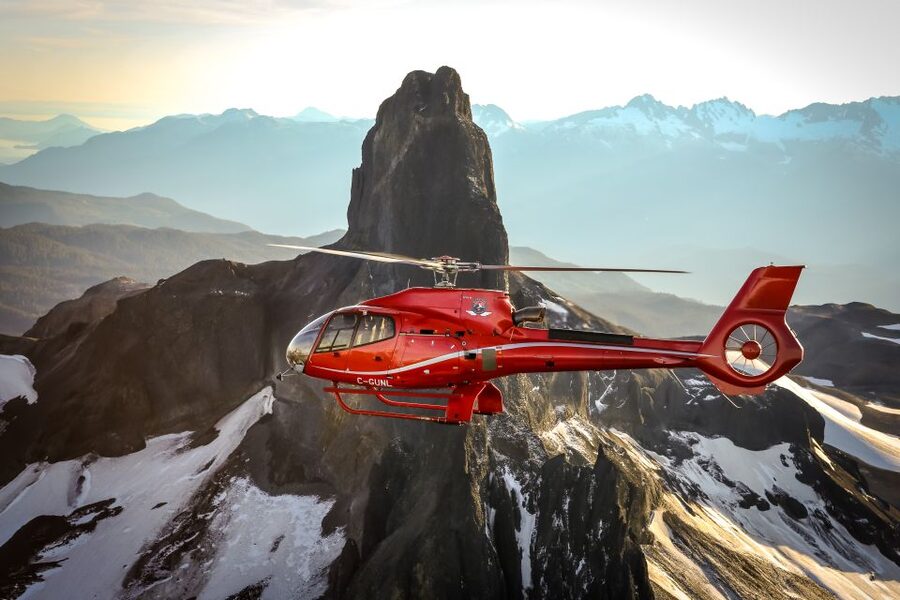
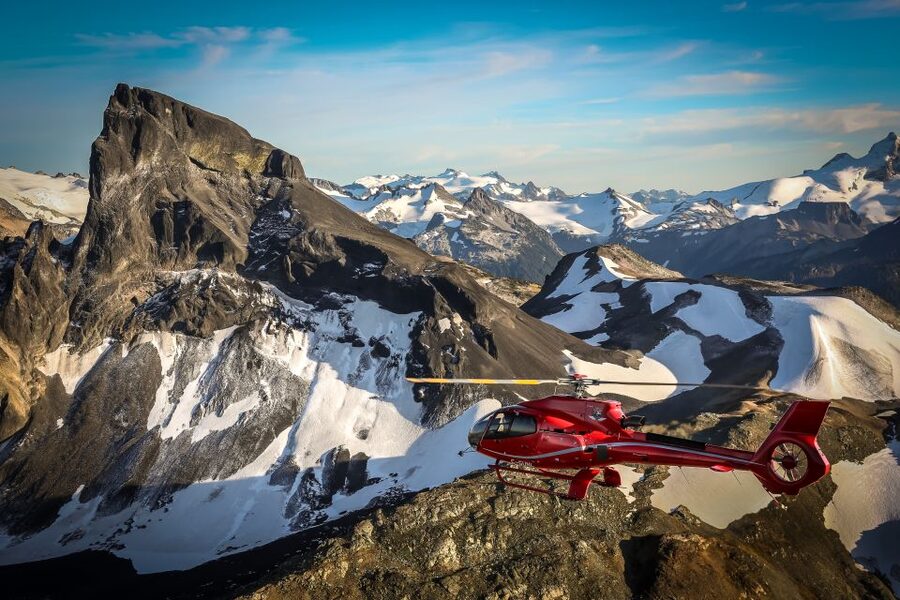
This is the moment people remember. You land on a mountain top where you can stretch your legs, snap photos, and take in the view for about 15–20 minutes (the exact timing depends on how the flight schedule plays out). Think of it as the stop where your camera gets a workout and your brain finally catches up to how real the scale looks from standing there.
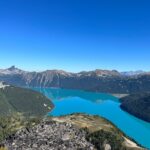
The views from the top are the payoff for everyone who’s ever wondered what Whistler and Blackcomb look like from the air. From ground level you see slopes and lifts and roads. From the landing spot you see the connections: how valleys funnel wind, how ridges stack the horizon, and how glaciers occupy the cold geometry of the mountains.
How to prepare emotionally: you are higher than most viewpoints. If you’re comfortable with heights, this part will feel thrilling and grounded at the same time, because you’re on land looking out over the ice-and-peak scene. If heights make you tense, this is the part you should think hard about—this activity isn’t built for people afraid of heights.
Also, keep expectations realistic about what gets pictured in promotional material. Your route can vary based on weather and operational safety. So if you’re chasing one specific landmark shown in a poster-style photo, the best move is to focus on the glacier-and-peaks experience, not the exact lake angle.
The return leg: brief flying, then back to solid ground
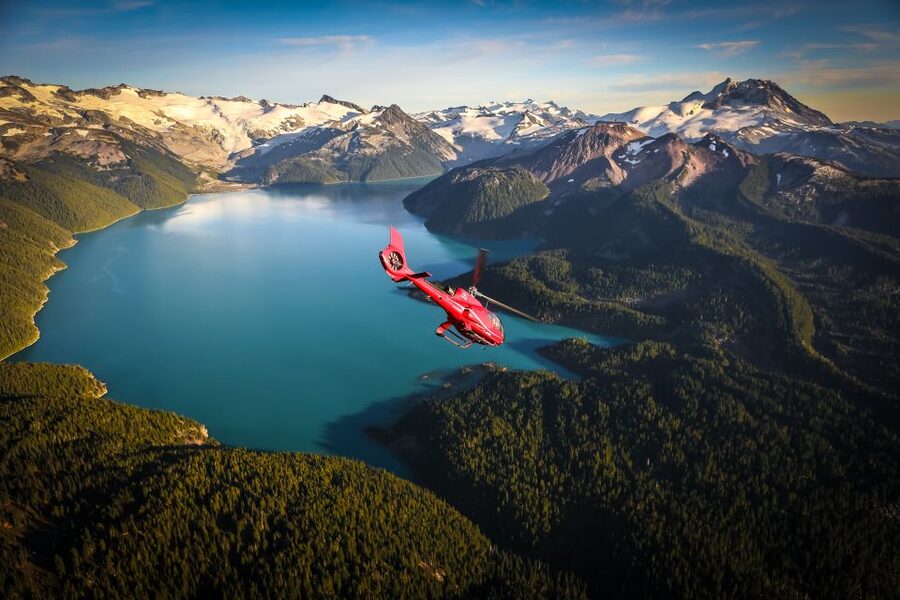
After your mountain-top photo time, the helicopter repositions and you fly back toward Whistler Valley. There’s usually a short additional flight segment before landing. In plain terms: you get the big views, you get the stop, then you get the clean wrap-up back where the tour began.
I like this structure because it keeps the whole outing from feeling repetitive. You’re not just circling for the same views. You’re getting a flow: ascent and glacier viewing, a stop for photos and walking, then the return.
When you land back on solid ground, you’ll still have that aerial perspective stuck in your head. It’s one of those rare tours where the photos aren’t the whole story, because your sense of place changed during the flight.
Price and value: what $325 buys you (and what it doesn’t)
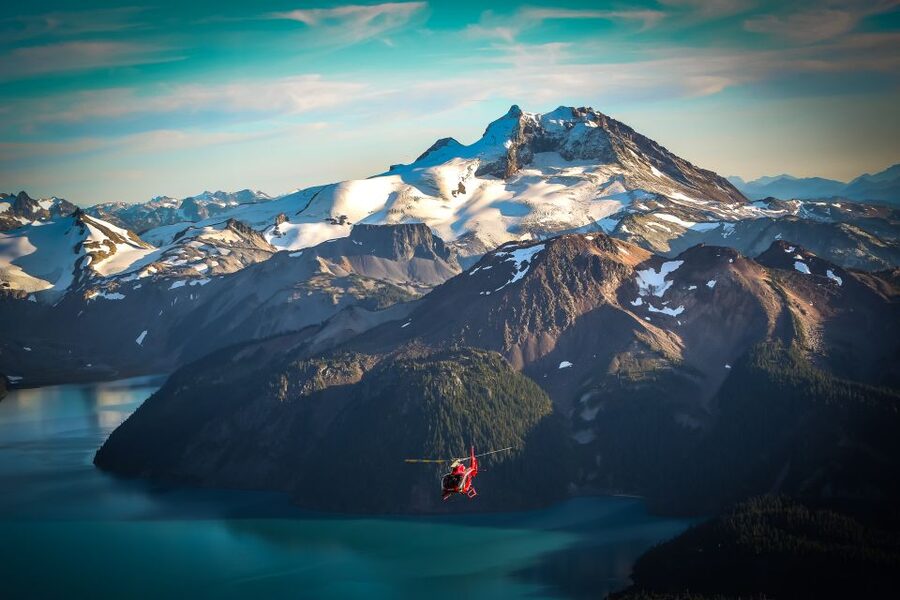
At $325 per person for a total of 45 minutes, this isn’t a budget activity. But it’s also not overpriced in a generic sense, because you’re paying for specific ingredients that are hard to replace:
- Helicopter time with you flying directly over glacier terrain and the Coast Mountains
- Live interpretation via headphones, so you’re getting context while you’re looking
- A mountain-top stop where you can actually get out and stand for photos
This is the kind of experience where “time on location” is the whole value equation. You’re not spending hours commuting. You’re getting the featured views in a compact window.
There’s also a realistic downside in the pricing math: the mountain landing is described as a complimentary extra that only occurs if safe. The price covers the flight, and if the landing doesn’t happen due to safety/weather, there’s no refund for the landing portion. So if you care deeply about the step-out-on-the-mountain moment, you’ll want to plan around the chance that weather might adjust things.
Who should book this glacier helicopter tour
I’d strongly consider this if you:
- Want glacier views without long hikes or multiple transfers
- Like guided context and want to understand what you see through live commentary
- Want a once-in-a-while splurge that feels genuinely different from standard sightseeing
It’s also a great choice for couples and small groups who want shared wow-factor time. The tour offers private or small groups, including private group options for yourself and up to 4 others, while also allowing shared bookings with other flyers when you’re not going privately.
Who should skip:
- Wheelchair users (not suitable per the activity guidance)
- People afraid of heights
- People over 350 lbs (159 kg)
If you’re traveling with kids, it can still work well because the whole experience is short and visually intense, but you’ll want to make sure everyone is comfortable with the environment during takeoff and the step-out photo moment.
Practical tips for a smoother flight day
A few small details make a noticeable difference.
Wear closed-toe shoes. It’s required, and it’s also what keeps you comfortable while you’re moving in the check-in and landing phases.
Bring an ID or passport. You’ll need it for the activity.
Leave the following at home: alcohol and drugs, plus open-toed shoes. The rule set is simple, but it’s worth following so you don’t lose time before the flight.
One more practical mindset tip: expect the day to be weather dependent. That doesn’t mean you’re stuck. It means the operation is safety-first, and flights and the landing are conditional on conditions. If weather is a question in your travel window, it can help to plan this as a flexible highlight rather than a hard-timed appointment that would ruin the day if it changes.
Finally, photos: the tour is built for it, but your best shots come when you pause, breathe, and compose. Don’t just machine-gun the camera from the moment you hear the blades spool up.
Should you book this glacier helicopter tour?
I think you should book it if you want a compact, guided helicopter experience that’s built around glaciers, the Coast Mountains, and a real mountain-top moment. The headphone commentary and the stop where you step out are the main reasons this rises above a simple sightseeing flight.
I would only hesitate if:
- You’re not comfortable with heights
- You absolutely need the mountain landing no matter what weather does
- You’re hoping for a very specific exact view from a single promotional photo
If you match the fit, this is the kind of Whistler experience that changes your mental map of the region. Short flight, big scale, and a view of glacier country you can’t recreate any other way.
FAQ
How long is the Whistler Glacier Helicopter Tour?
The total duration is 45 minutes.
What is the meeting point?
Check in at the Blackcomb Helicopters reception building in Whistler.
Is live commentary included?
Yes. The tour includes live commentary, and headsets are provided.
Does the tour include a mountain landing?
A mountain landing is described as a complimentary extra, but it is weather dependent and will only proceed if safe. If the landing doesn’t occur, the tour price is for the flight and there is no refund for the landing.
What should I bring?
Bring a passport or ID card and wear closed-toe shoes.
What items are not allowed?
Alcohol and drugs are not allowed, and open-toed shoes are not allowed.
Is this tour wheelchair accessible?
No, it is not suitable for wheelchair users.
What language is the tour guide?
The live tour guide provides English commentary.