REVIEW · SICILY
Etna: Group Helicopter Flight (30 Minutes from Fiumefreddo)
Book on Viator →Operated by HeliSicily Tours in elicottero · Bookable on Viator
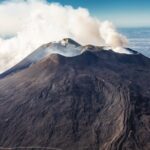
Etna looks bigger from the sky. This 30-minute helicopter flyover is a fast, high-impact way to see Europe’s highest active volcano without spending the day driving and hiking. I especially liked how the pilot felt in control from the first moment, with staff who came across as calm, professional, and friendly.
You’ll also love the vantage points. From above, you get a clean view of the volcano’s shapes and the surrounding areas, and I found the pre-flight touches (like refreshments) made the whole thing feel smoother, not rushed.
One thing to keep in mind: this experience depends on good weather. If visibility is poor, your flight can be swapped or refunded, so you’ll want some flexibility in your Sicily schedule.
In This Review
- Key things to know before you fly
- Why a 30-Minute Etna Helicopter Flight Works Better Than You Think
- Meet at HeliSicily in Fiumefreddo: What Happens Before Takeoff
- Craters at 1,900 Meters: The Etna Cable Car Starting Area From Above
- The Volcano’s Footstep Towns: Seeing How People Live Near Etna
- The Northern Slope Ski Resort Side of Etna
- Flight Time, Group Size, and What You Actually Get in 30 Minutes
- Seats, Weight Limits, and Why the Balance Rules Matter
- Weather Day Reality: If Etna Hides, You’ll Be Offered a Swap
- Price and Value: Is $362.04 Worth a 30-Minute Helicopter Flight?
- Should You Book the 30-Minute Etna Group Helicopter Flight?
- FAQ
- How long is the Etna helicopter flight?
- How much does it cost per person?
- Where do I meet for the tour?
- Is the tour offered in English?
- What if the flight is canceled due to poor weather?
- How are seats assigned in the helicopter?
Key things to know before you fly
- 30 minutes on the clock: a short flight, but packed with Etna highlights
- Small group size (max 5 people): less waiting, more attention
- Craters around 1,900 meters: including the area where the Etna cable car starts
- Ski resort views on Etna’s northern slope: a side of the volcano you don’t expect in Sicily
- Seats depend on height and weight: they’re assigned to keep the helicopter balanced
- Weather-driven changes: alternative date or an east-coast tour option if conditions don’t cooperate
Why a 30-Minute Etna Helicopter Flight Works Better Than You Think
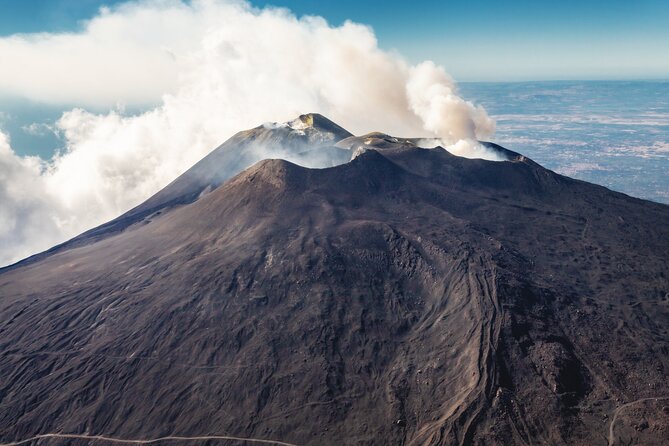
Etna is one of those places where a lot of your time can get eaten up by logistics: roads, viewpoints, short hikes, and guessing whether the view will be worth the effort. A helicopter flips that. In about 30 minutes, you trade the slow build for a focused aerial loop over the volcano and the surrounding terrain.
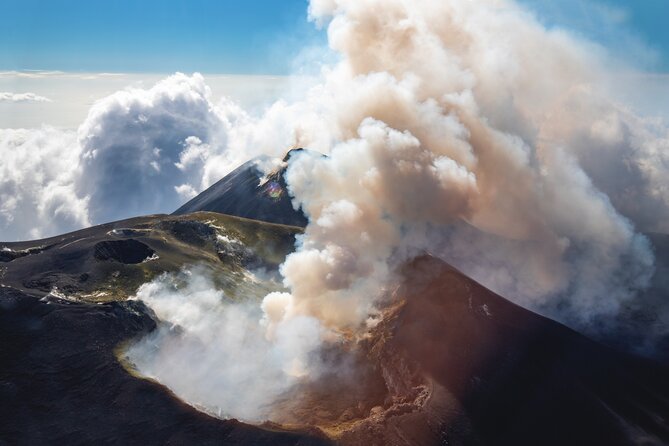
What I like about this format is that it doesn’t ask you to be a serious mountaineer. You’re not spending hours climbing or trying to time the perfect sunset hike. Instead, you get a clear aerial perspective that shows Etna as a whole system—craters, slopes, and the way towns sit near the mountain.
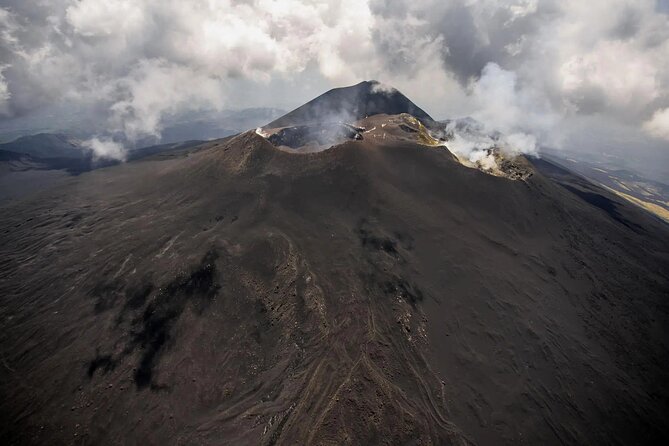
Also, helicopter flying has a different kind of honesty. You don’t get a postcard view from a distance. You see the real texture of the volcano from above: the cuts, the altitude changes, and the contrast between volcanic ground and the human places built near it.
And because this is a group tour, the experience can feel more approachable than a private charter. You’re sharing the ride with a small number of people, and that tends to make the pre-flight moment feel organized rather than chaotic.
You can also read our reviews of more tours and experiences in Sicily.
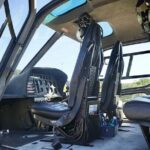
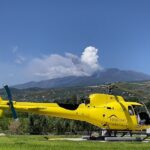
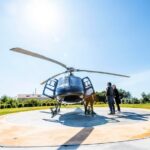
Meet at HeliSicily in Fiumefreddo: What Happens Before Takeoff
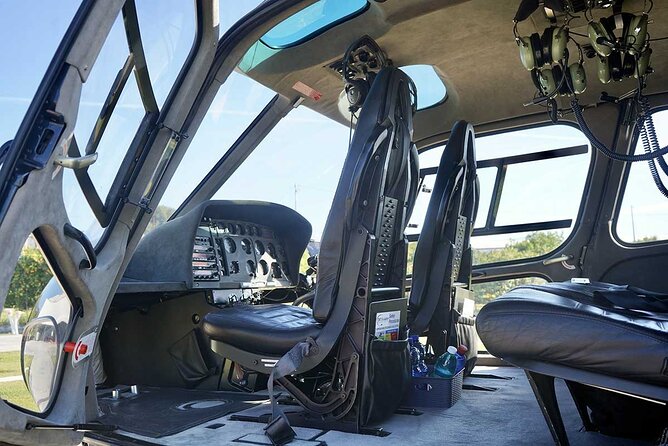
Your meeting point is HeliSicily Etna helicopter tours and charters, Via Catania Messina, 14, 95013 Fiumefreddo di Sicilia (CT), Italy. The key here is to plan to arrive with enough buffer time—your flight time is short, so you don’t want to be sprinting for check-in.
At check-in, you’ll need an identity document. That’s not optional, and it’s easy to overlook if you’re used to tours that just scan your booking.
Seats are not first-come, first-served. The provider assigns seating based on weight and height to keep the helicopter balanced. That matters because it changes how you should think about the trip: it’s not about grabbing a specific side for a perfect view. It’s about safety and smooth flight handling first.
Finally, this is an English offered experience, so the briefing and pilot commentary (when available) should be easy to follow. In the vibe of the ride, I liked that the operation feels ready for real life—short window, clear rules, and staff who keep things moving.
Craters at 1,900 Meters: The Etna Cable Car Starting Area From Above
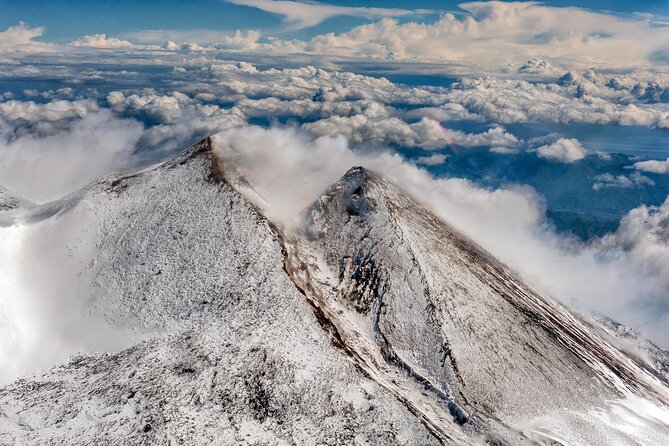
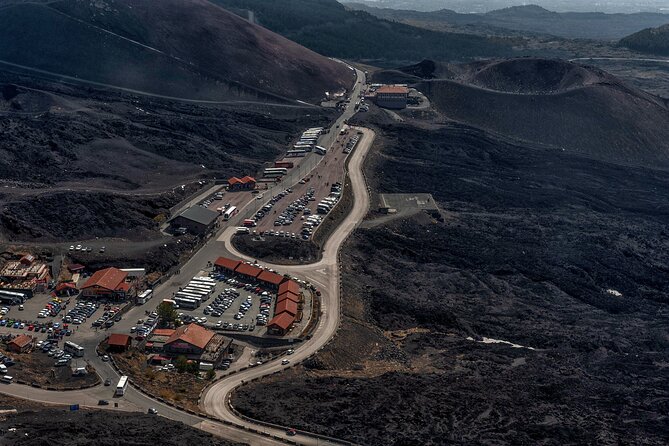
One of the main highlights is the pass around the ancient extinct craters area at about 1,900 meters above sea level. This is also where the Etna cable car has its starting point, which gives you a helpful mental link: you’re seeing the volcano from the same general altitude zone where people commonly transition toward higher terrain.
From the air, that altitude becomes much more understandable. On the ground, altitude can feel vague—everything is either uphill or too steep to map easily. From above, you can see how the crater region sits in relation to the rest of the volcano. It’s a practical way to get oriented fast.
A subtle plus: you don’t have to wonder where to look. The flight route is built around these key zones. That means you can spend your attention on seeing, not problem-solving.
The possible drawback is the “helicopter truth” factor: you can’t linger. If you love the crater views and wish you had time to study them longer, the 30-minute timing will feel tight. Still, for most people, the speed is exactly what makes this worth doing.
The Volcano’s Footstep Towns: Seeing How People Live Near Etna
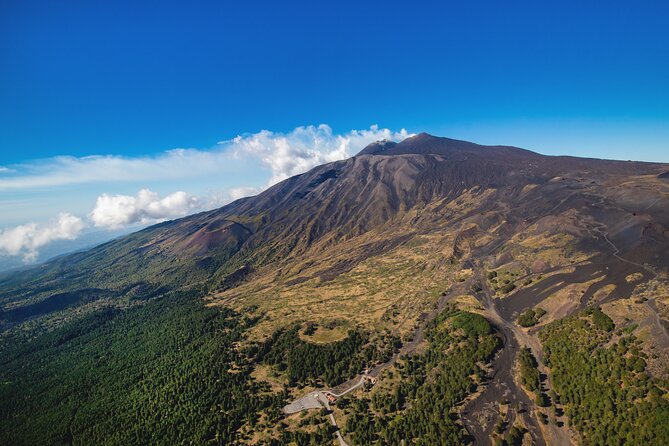
The itinerary includes small towns at the volcano’s footsteps, and you’ll see these areas more than once during the flight. This isn’t just scenic wallpaper. It’s one of the most useful parts of the whole experience because it shows the human geography alongside the volcanic geography.
From the air, you get a clearer sense of scale. You can see how buildings and roads relate to slope angles, how the terrain changes as altitude rises, and how Etna’s mass dominates everything nearby. This helps you understand why the volcano is both a tourist magnet and a serious natural force.
It also helps with context for the rest of your Sicily trip. After you fly, driving to other towns or visiting viewpoints feels less like random sightseeing. You start recognizing the patterns: where the slopes likely lead, what direction higher terrain is in, and how close settlements can be to the volcanic environment.
And since the flight includes multiple “town and slope” views, you’re not stuck with only one angle. That repetition is useful. It turns a single snapshot into a more complete mental map—without requiring any hiking.
The Northern Slope Ski Resort Side of Etna
One of the most fun surprises is the stop over a renowned ski resort on Etna’s northern slope. It’s not the first thing people think of when they picture Sicily, so seeing it from the air adds a mental twist: Etna isn’t just one kind of destination.
Aerial views of ski areas tend to tell you a lot quickly—the shapes of the slopes, the scale of the higher terrain, and the way the volcanic mountain supports seasonal recreation. Even if you never ski, the view helps you understand how dramatically conditions can change with altitude on the same volcano.
This stop also makes the flight feel more varied than a straight shot over lava zones. It balances “volcano intensity” with “human land use at high elevation,” which makes the whole experience feel less one-note.
One practical note: because this is a group flight, you’re going to see the resort area from the helicopter during the time window the route allows. If your expectation is a long photo mission at one altitude, calibrate to a quick, pass-by view.
Flight Time, Group Size, and What You Actually Get in 30 Minutes
This is a group helicopter tour with a maximum of 5 people, and it runs for about 30 minutes. That small group size matters more than you might expect. Fewer people generally means smoother flow and less time lost to logistics.
In 30 minutes, you shouldn’t expect “everything you’ve ever wanted to know about Etna.” Instead, think of this as a guided aerial highlight reel. The flight includes:
- the crater zone around 1,900 meters
- the cable-car starting area area
- town views at the volcano’s base
- scenery passes during the route
- the northern-slope ski resort area
The value here is focus. You don’t have to choose between craters, altitude zones, and high-elevation scenery. The helicopter does that for you, and you get a wide perspective you just can’t replicate with a single viewpoint.
Price is high—there’s no sugarcoating that. But the pricing makes sense when you look at what you’re buying: time saved, altitude access from the air, and views that would otherwise require more effort and more hours on the ground.
If you’re building a Sicily itinerary around a limited time window, this kind of “pay to save time” activity can be a strong move.
Seats, Weight Limits, and Why the Balance Rules Matter
Helicopter seating can feel mysterious until you learn the reason. Here, seats are assigned based on weight and height to maintain balance. That’s why you shouldn’t assume you can pick a perfect seat number and control the view.
There’s also a total weight per passenger limit of 232 lbs. So if you’re close to that threshold, double-check before you plan your flight. This isn’t about body shaming; it’s about the aircraft’s safety and load rules.
What you can control is your readiness. Arrive on time for check-in with ID. If you have any concerns about fitting the seating or weight rules, ask before travel rather than hoping it works out on the day of departure.
Overall, these rules can actually reduce stress. Once you know seats are assigned for safety, you can stop worrying about the tiny logistics and focus on the experience itself.
Weather Day Reality: If Etna Hides, You’ll Be Offered a Swap
This flight requires good weather, which is standard for helicopter operations but still a big decision factor for you when you’re planning a trip. The provider says that if the flight is canceled due to poor weather, you’ll be offered a different date or an alternative east-coast tour.
The alternative tour option includes the east coast stops: Taormina, Isola Bella, Castelmola, and the Cyclops Riviera. One important detail: all passengers must accept the same option offered for the alternate plan. That means you should go in knowing you may not get to choose between options on the fly.
The practical travel move: if you can, schedule this activity on a day where you can stay flexible. If it’s the only thing you planned that day, you might feel squeezed if weather forces a change.
Good news: the cancellation policy indicates you can cancel for a full refund up to 24 hours in advance, and if it’s canceled due to poor weather you’ll still be offered a different date or an alternative option (and a refund is part of the poor-conditions framework as described). In other words, you’re not stuck with a dead end, but you do need patience.
Price and Value: Is $362.04 Worth a 30-Minute Helicopter Flight?
At $362.04 per person for roughly 30 minutes, this isn’t a budget activity. So here’s how I judge value on a helicopter flight like this: you’re paying for altitude access and a time-saving aerial view that would be expensive and time-consuming to recreate on the ground.
This flight also isn’t a single “fly over the main mountain” pass. You get a route that covers distinct altitude zones and settings—craters around 1,900 meters, town areas at the base, and the northern slope ski resort side. That variety matters. It turns the flight into an orientation tool for Etna rather than just an expensive ride.
The group format helps too. A private charter could cost dramatically more for similar aerial access (you’re not buying a whole aircraft for just your family). Even with a high per-person price, splitting the helicopter among a small group can make it feel less out of reach.
Then there are the human touches. I liked the operation pace, and the pre-flight refreshments help the experience feel cared for rather than purely transactional. Add in a pilot who keeps the ride engaging—sharing context and handling the flight smoothly—and the price starts to feel like it’s covering more than just lift-off.
If your priority is comfort plus views, this can be a strong use of limited time. If you’re hoping for a long, contemplative Etna day, you may prefer ground-based options with more time on foot.
Should You Book the 30-Minute Etna Group Helicopter Flight?
Book it if you want a high-clarity view of Etna in a short window and you’re comfortable spending for that kind of access. I think this is especially good for:
- people on a tight schedule in eastern Sicily
- anyone who wants crater-zone and high-slope context without a full day of hiking
- families or groups who like a guided, small-group experience (max 5 people)
Hold off or plan carefully if:
- your schedule is rigid and you can’t handle weather-related changes
- you’re sensitive to the idea of a short duration (this is 30 minutes, not a multi-hour aerial tour)
- you’re near the 232 lbs passenger limit
If you like the idea of seeing Etna’s big picture—craters, base towns, and the northern-slope ski area—this flight hits the sweet spot. It’s not just sightseeing. It’s a fast way to understand the volcano’s shape and scale before you move on to the rest of Sicily.
FAQ
How long is the Etna helicopter flight?
The flight time is about 30 minutes.
How much does it cost per person?
The price is $362.04 per person.
Where do I meet for the tour?
Meet at HeliSicily Etna helicopter tours and charters, Via Catania Messina, 14, 95013 Fiumefreddo di Sicilia CT, Italy.
Is the tour offered in English?
Yes, it is offered in English.
What if the flight is canceled due to poor weather?
If it’s canceled for poor weather, you’ll be offered a different date or an alternative east-coast tour (Taormina, Isola Bella, Castelmola, Cyclops Riviera). All passengers must accept the same option.
How are seats assigned in the helicopter?
Seats are assigned based on passengers’ weight and height to maintain the helicopter’s balance.