REVIEW · POKHARA
Landing Helicopter at Annapurna base camp from Pokhara tour
Book on Viator →Operated by Himalaya Holiday service Pvt. Ltd.(HHS) · Bookable on Viator
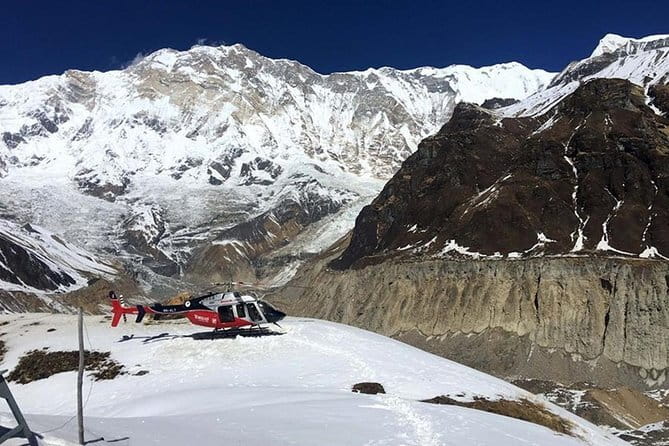
Helicopters make Annapurna feel close. This scenic trip is interesting because you’re not just flying over the range—you’re doing the big moment: an Annapurna Base Camp landing (when weather allows) high above 4,130 m, with a smooth approach into the Annapurna Sanctuary. I love the combination of dramatic mountain-glacier panoramas and the comfort factor of flying in cozy, spacious seats early in the day. The one real catch: it’s weather-dependent, so monsoon-season cloud cover can limit landing and even flight plans.
From Pokhara, you’ll start early (usually around 7:00 a.m.) and ride in a seat-sharing helicopter setup with pickup and drop-off around the city. Flight time is about 55 minutes to 1 hour, and the exact timing, and whether you land at base camp, depends on the season and the pilot’s decision. If you’re coming for guaranteed schedule-box ticking, this is the wrong bet.
In This Review
- Key highlights at a glance
- Entering the Annapurna Sanctuary from Pokhara in One Big Flight
- The Morning Plan: Pickup, Check-In, and a Realistic Start Time
- The Helicopter Ride Itself: What You Actually See in 55 Minutes
- Who will enjoy this flight most?
- Landing at Base Camp: The Part You Came For (When Weather Allows)
- The potential drawback of the landing plan
- Comfort and Cabin Reality: Cozy Seats, Small Groups, and Crew Setup
- Price and Value: What $640 Buys You (and What It Doesn’t)
- Best Seasons for Clear Views: When the Sky Plays Nice
- Monsoon reality (July to mid September)
- Spring (March to May)
- Autumn and winter (October to January, February)
- What the Reviewers Got Right: Help That Makes a Big Trip Easier
- Quick Practical Tips Before You Go
- Who Should Book This Helicopter Tour?
- Should You Book the Annapurna Base Camp Helicopter from Pokhara?
- FAQ
- How long is the Annapurna Base Camp helicopter experience?
- What time does pickup start in Pokhara?
- Is the $4 departure tax included in the tour price?
- What months work best for landing at base camp?
- Is there a weight limit for passengers?
- How many people can be on this helicopter tour?
Key highlights at a glance
- Base camp landing when conditions allow, putting you at about 4,130 m for the wow-factor views
- 55-minute to 1-hour flight from Pokhara with sweeping Annapurna-range views
- Early-morning departure for better odds of clear skies and sharper sightlines
- Hotel pickup and drop-off in Pokhara, plus a small max group size (up to 6)
- Buddhi-style on-the-ground help to keep things moving from start to finish
Entering the Annapurna Sanctuary from Pokhara in One Big Flight

If you’ve ever looked at photos of Annapurna Base Camp and thought, I want to be there, not just see it—this is the shortcut that still feels meaningful. The helicopter route is built for one purpose: getting you high into the Annapurna region fast, then (with good weather) bringing you down for the base camp moment.
I like that the experience isn’t sold as a long adventure slog. You get an efficient morning flight from Pokhara, sit back in spacious, comfortable seating, and spend your energy on seeing mountains instead of managing altitude the hard way. And when landing is possible, you’re not just peeking at the base camp area from above; you’re actually touching down in the sanctuary zone.
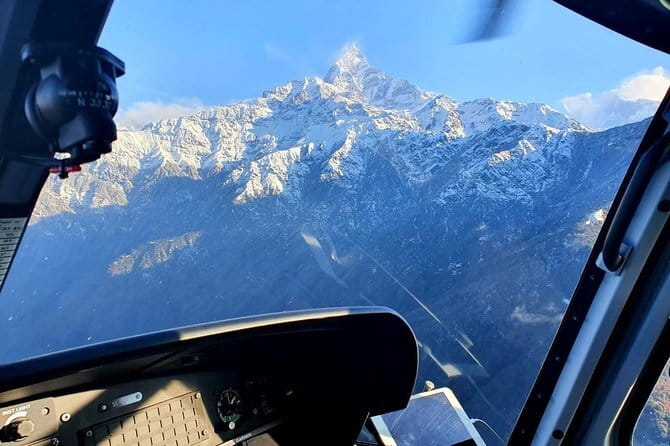
The views are the headline. You fly over dramatic valleys and rolling green hills broken up by farm villages, then you get an exceptional look at peaks and glaciers. A special detail here is that the flight runs under the Annapurna massif—around the 8,091 m zone—so the scale stays right in your face.
You can also read our reviews of more tours and experiences in Pokhara.
The Morning Plan: Pickup, Check-In, and a Realistic Start Time
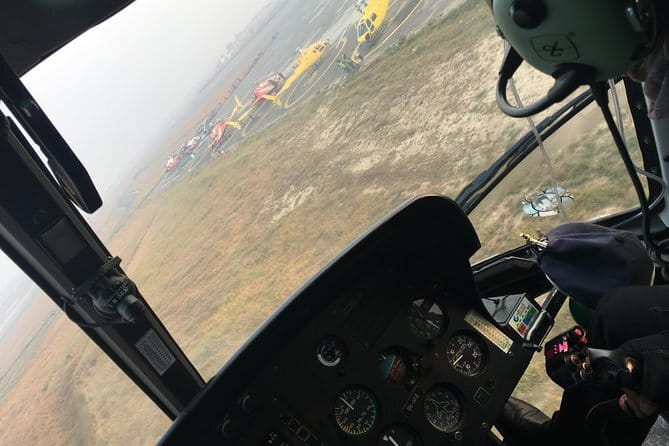
This tour runs on an early schedule out of Pokhara. Start time is listed as 7:00 a.m., but in practice your pickup can be around 6 a.m. or 7 a.m., or later depending on season and weather. That flexibility matters, because this experience only works well when the sky is cooperating.
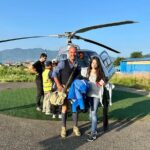
You’ll be collected from your hotel in the city area and brought to Pokhara airport. From there, it’s a straightforward handoff to the helicopter operation—then you’re off. The helicopter is set up for sharing seats within a group, and the total headcount stays small; the max is 6 travelers.
If you’re the kind of traveler who likes a plan, you still get one—just understand it can shift by an hour or more if visibility is poor. That’s not a flaw; it’s the reality of flying in the Himalayas.
The Helicopter Ride Itself: What You Actually See in 55 Minutes
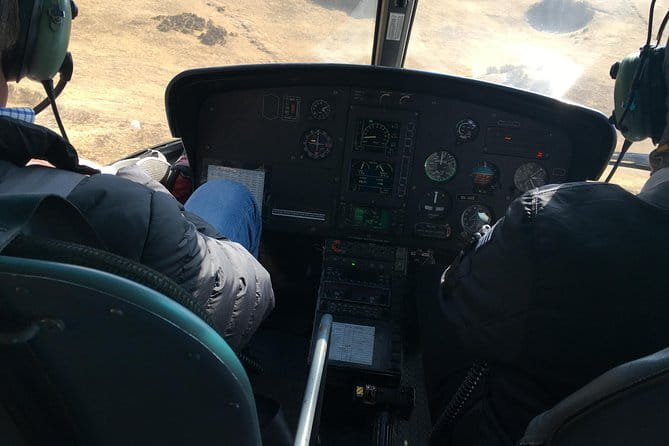
The flight time is about 55 minutes to 1 hour. That’s long enough to feel like an experience, but short enough that it stays low-stress—especially compared with multi-day trekking logistics.
As the helicopter departs Pokhara heading north, you’ll get sweeping views immediately. Think: big open sky, mountain massifs growing clearer as you move toward the Annapurna region, and a sense of scale that’s hard to capture from the ground. The route is also described as passing over picturesque scenery with hills and valleys dotted by farm villages, so the scenery doesn’t go blank after you leave the city.
One of the best parts is how the mountain-glacier panorama keeps unfolding. Your eyes move from ridgelines to glacier shapes to the layer-cake look of the range. And because you’re flying in comfort with spacious seating, you can actually watch without feeling crushed or bounced around in a way that would ruin the photos.
Who will enjoy this flight most?
If you want a “wow” moment without a physically demanding itinerary, you’ll likely love it. If you’re already a helicopter person, you’ll appreciate the smoothness and quick access to high-altitude views.
Landing at Base Camp: The Part You Came For (When Weather Allows)
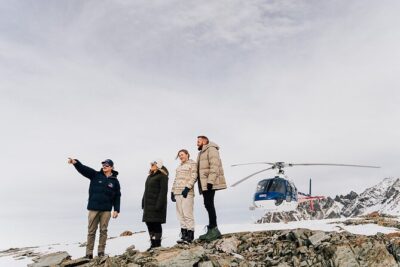
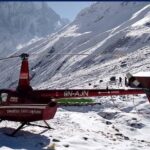
The big promise of this tour is landing at Annapurna Base Camp in the Annapurna Sanctuary area at about 4,130 m. That’s the moment that makes a helicopter trip different from a simple sightseeing flight.
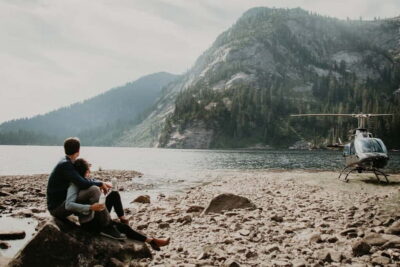
But here’s the important part: landing depends on fine and clear weather, and it ultimately comes down to the pilot’s decision. In clear periods, the operation can deliver a smooth landing and allow time in the base camp area. The description also points to a cozy lodge experience at base camp—comfort is part of the design, so it’s not just cold rocks and a quick look before you’re back on the helicopter.
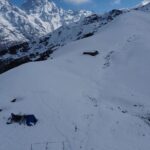
If landing happens, you’ll feel the scale instantly. You’re high enough that the mountains look close and sharp, and glaciers and peaks fill your visual field in a way that’s hard to replicate on the trek. That’s why the experience gets called one-of-a-kind.
The potential drawback of the landing plan
If weather is poor, you might not get the base camp landing you hoped for. The tour is designed to be weather-dependent, especially during cloud-heavy periods. In those times, you can still fly, but the base camp component may be limited or not possible.
Comfort and Cabin Reality: Cozy Seats, Small Groups, and Crew Setup
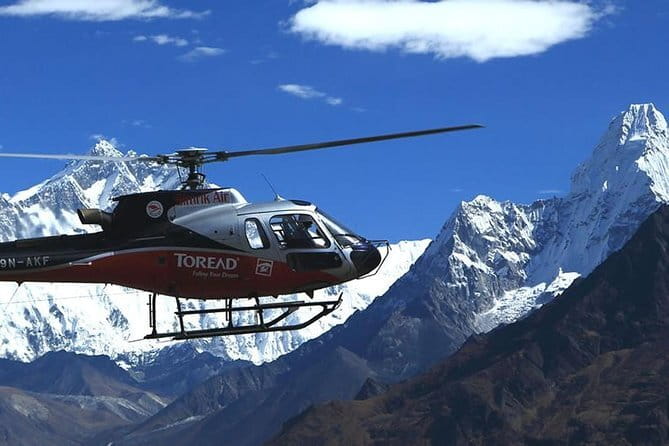
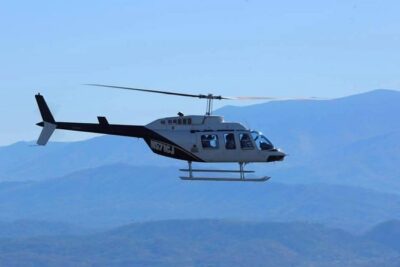
This experience is built around comfort in the air. The seats are described as spacious and comfortable, designed for a small group. It’s also seat-sharing on a group joining basis, with a maximum of 6 travelers.
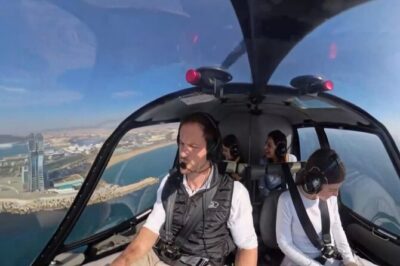
Crew details are included: there can be a captain and co-pilot, and sometimes it may involve one pilot/captain depending on the specific flight setup. That’s not something you need to manage as a passenger—just useful context that the operation isn’t random or DIY.
Also note the practical weight rule: total weight per passenger: 265 lbs. If you’re close to that limit, it’s smart to check with the provider when you book, because weight restrictions can affect whether you’re accepted for the flight.
Price and Value: What $640 Buys You (and What It Doesn’t)
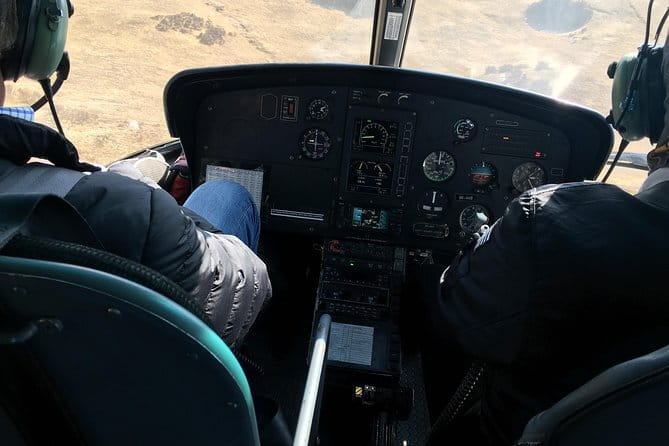
The listed price is $640.00 per person for an approximately 1-hour experience. On paper, it’s expensive—there’s no pretending otherwise. But value depends on what you’re comparing it to.
If you’re comparing this to trekking time, missing work, or the cost of multiple days of guiding and logistics, the price starts to make more sense. You’re paying for speed, and you’re buying access to a view that’s hard to reach quickly. The base camp landing component is also part of the cost, and landing is weather-limited, which increases the operational risk for the operator—another reason prices tend to be high.
What’s not included matters too:
- A $4 per person departure tax, paid at check-in
- Food and drinks (not included unless specified)
- Alcoholic drinks are available to purchase
- Drinks and food are listed as not included
You’re effectively paying for the flight and the core experience, not for meals on the mountain. So if you plan ahead and treat this like a “morning action, return comfortably” trip, you’ll feel the value better.
Best Seasons for Clear Views: When the Sky Plays Nice
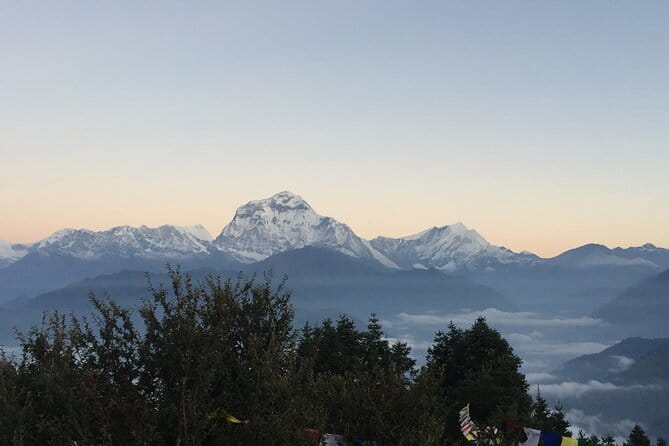
This tour is available most months of the year, but the experience quality varies a lot by season.
Monsoon reality (July to mid September)
The guidance is clear: except the monsoon period from July to mid September, base camp can be visited all months, but monsoon clouds make helicopter flight landing least possible. That means visibility can be poor, which directly affects whether you can land at base camp.
Spring (March to May)
Spring is described as warm during the day, with mornings and late afternoon possibly cooler. Morning clarity is key here—early sun and clearer air can improve your chances for views and flights.
This is also a flowering time on the mid hills, with rhododendron turning the area into patches of color. If you love seeing the hills as more than just background, spring has an extra visual bonus.
Autumn and winter (October to January, February)
These months are usually clear, with fine weather. The tradeoff is cold: mornings and late afternoon can be below -5° to -10° Celsius, while sunny daytime temperatures might reach 15° to 20° Celsius in exposed conditions.
If you’re planning a trip in winter, dress like you mean it for cold air at altitude. You’ll enjoy the views more when you’re not busy fighting numb hands.
What the Reviewers Got Right: Help That Makes a Big Trip Easier
Even without focusing on it, the human side matters. One standout detail from past experiences is that Buddhi was described as very helpful and took care of guests from A to Z. That’s exactly what you want on a weather-dependent helicopter day, because small timing issues can feel bigger when you’re on a strict schedule and trying to catch a flight window.
Other feedback also points to the trip feeling like a once-in-a-lifetime moment and emphasizes from hotel pickup through the entire helicopter experience being “great.” That matches the overall structure: morning pickup, a smooth flight, and then the base camp landing goal.
It’s expensive, yes. But the strongest praise isn’t about comfort alone—it’s about getting the whole chain to work.
Quick Practical Tips Before You Go
Here are the practical things I’d keep in mind based on the available info:
- Plan for early timing. Start time is 7:00 a.m., with pickup potentially earlier or later based on season and weather.
- Dress for cold air. Cold mornings and late afternoons are part of the seasonal pattern, especially in October to February.
- Expect weather influence. The base camp landing is tied to fine and clear conditions and the pilot’s decision.
- Watch your budget. Factor in the $4 departure tax at check-in and remember meals and drinks aren’t included.
- Mind the weight limit (265 lbs). If you’re near it, verify before you assume you’re cleared.
Who Should Book This Helicopter Tour?
This helicopter trip makes the most sense if you:
- Want big Annapurna views without days of trekking
- Prefer comfort and speed over hiking endurance
- Are flexible enough to accept weather-based changes
- Like small groups (max 6) and organized pickup/drop-off
It’s less ideal if you:
- Need a perfectly fixed schedule regardless of skies
- Are on a tight budget and can’t absorb the extra $4 departure tax plus drinks/food costs
- Have difficulty with cold conditions during morning and late-day periods in cooler months
Should You Book the Annapurna Base Camp Helicopter from Pokhara?
If your top priority is seeing Annapurna up close and you want the base camp landing as a once-in-a-lifetime experience, I think this is a strong choice—especially in seasons described as clear (March to May, or October to February). The comfort, the quick morning window, and the chance to touch down at around 4,130 m are what you’re paying for.
I’d hesitate only if you’re traveling during the monsoon months (July to mid September) or if you’re the type who gets stressed by weather-based changes. In those cases, you might spend the day with more uncertainty than you want.
If you’re flexible, dress warmly, and go in expecting a helicopter that’s governed by the mountain and not by promises on paper, you’ll likely feel like you got the real Annapurna moment—fast.
FAQ
How long is the Annapurna Base Camp helicopter experience?
The experience is about 1 hour (approx.), with flight time listed as 55 minutes to 1 hour depending on the trip conditions.
What time does pickup start in Pokhara?
The start time is listed as 7:00 a.m., and pickup from city area hotels may be around 6 a.m. or 7 a.m. or later depending on season and weather.
Is the $4 departure tax included in the tour price?
No. The tour price does not include a $4 per person departure tax, which you pay at check-in.
What months work best for landing at base camp?
The tour notes that base camp can be visited all months except the monsoon period of July to mid September, when clouds block views and helicopter landing is least possible.
Is there a weight limit for passengers?
Yes. The total weight per passenger is listed as 265 lbs.
How many people can be on this helicopter tour?
The tour has a maximum of 6 travelers.