REVIEW · ROTORUA
Mt Tarawera Helicopter Tour with Volcano Landing
Book on Viator →Operated by Volcanic Air · Bookable on Viator
A volcano landing beats any museum story. You fly from Rotorua’s lakefront helipad to Mt. Tarawera, then touch down for a guided look at dormant volcanic ground. Expect big volcano views over the Northern Lakes district and the long rift system.
What I really like is the combo: an aerial tour that makes the geology click, followed by an on-foot walk where your guide can point out what you just saw from above. You also get intimate small-group attention (up to 6), which keeps the flight personal and the briefing clear.
The main thing to consider is that this is weather-dependent and tightly timed, and the experience lasts about 40 minutes overall with no food or hotel pickup included. Also, there are weight limits for comfort in the aircraft.
In This Review
- Key things that make this Mt Tarawera helicopter tour worth it
- From Rotorua’s lakefront to Mt. Tarawera’s edge in one jump
- The helicopter flight: crater lakes, the rift, and the view you can’t fake
- Why the volcano landing feels different than a regular flight
- The guided walk: what to expect when you step onto volcanic ground
- The pilot-guide factor: personalized attention makes the flight better
- Weather and timing: how to plan so the day stays smooth
- What you learn along the way: the “why” behind the views
- Price and value: what $417.03 really buys you
- Comfort rules that can affect who should book
- Who this tour suits best
- Quick decision guide: should you book?
- FAQ
- How long is the Mt Tarawera helicopter tour with volcano landing?
- Where does the tour start and end?
- What is included in the price?
- Is hotel pickup or drop-off included?
- Are food and drinks included?
- How large is the group?
- Is the tour dependent on weather?
- What is the weight limit for passengers?
- How soon will I receive confirmation after booking?
Key things that make this Mt Tarawera helicopter tour worth it
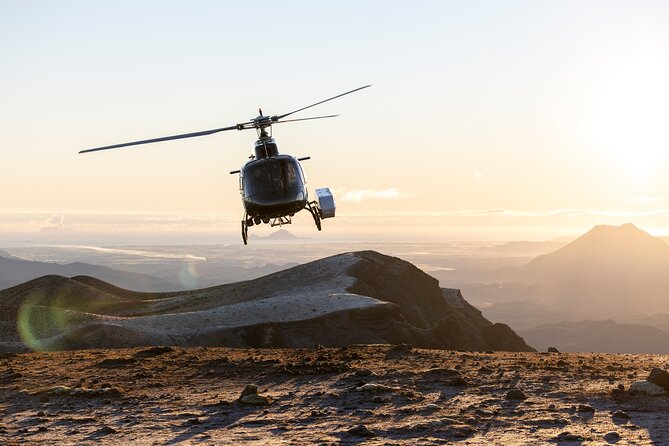
- Volcano landing on dormant Mt. Tarawera, not just a flyover
- A real guided walk with your pilot-guide on foot after you land
- Northern Lakes and crater views from the air before you circle the volcano
- 1886 eruption context explained in plain language during the flight
- Max 6 travelers, so you get personal time instead of cattle-car energy
From Rotorua’s lakefront to Mt. Tarawera’s edge in one jump
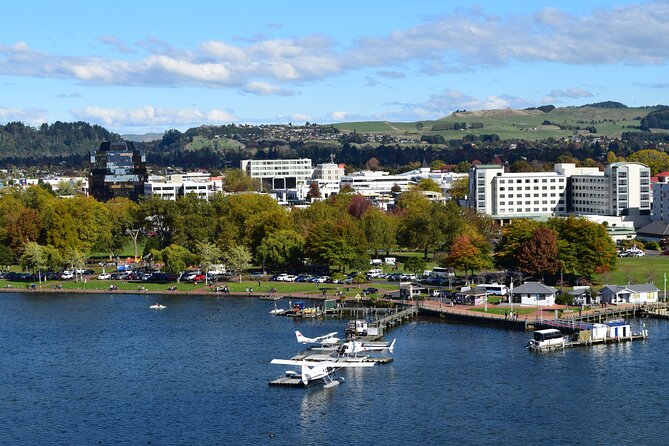
Rotorua is famous for geothermal scenery, but this tour flips the script. Instead of viewing the volcanic area from the ground, you start at the lakefront helipad in Ohinemutu and head out by helicopter for a viewpoint most people never get.
The schedule is refreshingly simple. You meet at Lakefront Drive in Ohinemutu, board, fly to Mt. Tarawera, land for a short walk, then re-board for the return flight. There’s no long bus ride, no waiting around for multiple transfers. You’re in the air quickly, and that matters because weather can change fast around Rotorua and the volcano zone.
You can also read our reviews of more tours and experiences in Rotorua.
The helicopter flight: crater lakes, the rift, and the view you can’t fake
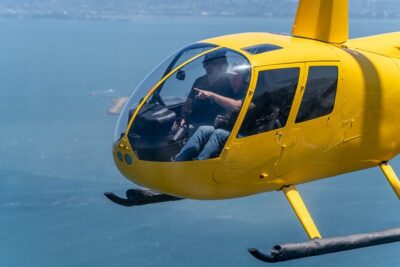
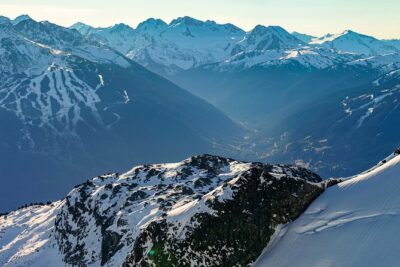
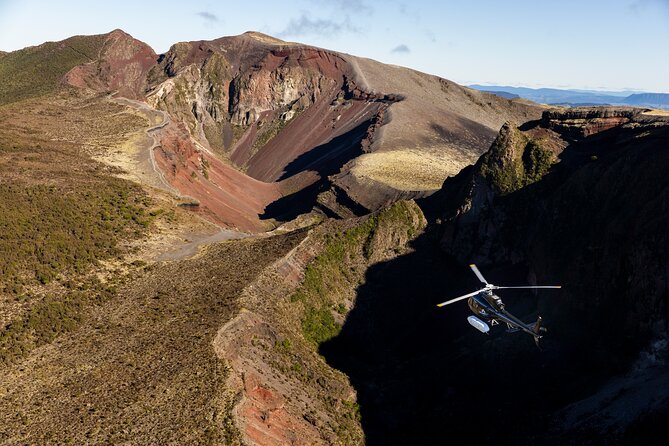
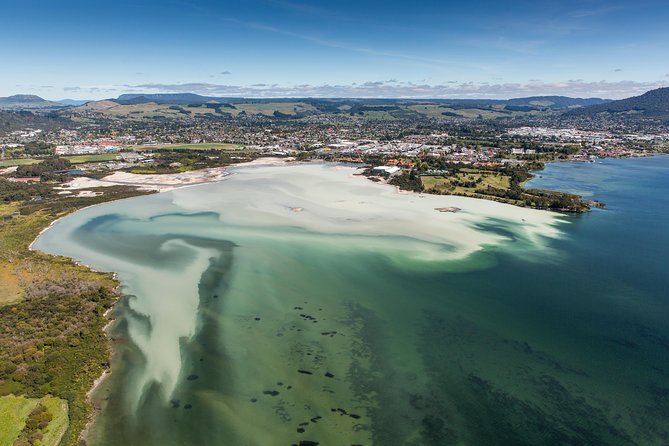
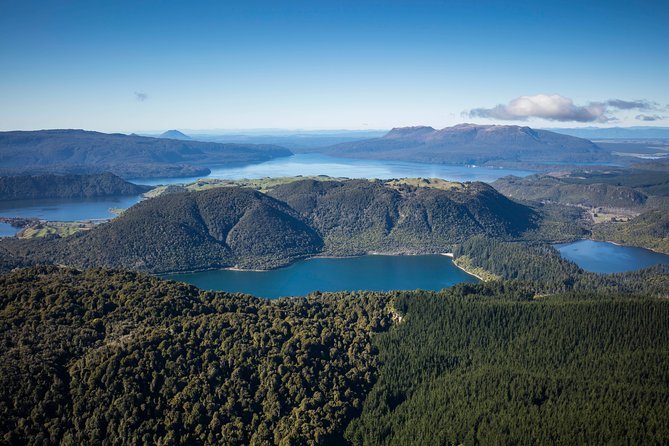
Your pilot takes off with expansive views across the Northern Lakes district, including crater lakes and domes. From above, geothermal terrain looks almost unreal—like a sketch someone kept revising. That’s exactly why the flight works: it gives you a “big picture” map before you step onto the ground.
Then comes the Mt. Tarawera portion, where you’ll see a major rift system described as about 5 miles (8 kilometers) long. Seeing a rift from the air turns a geological term into something physical. You can connect it to the overall shape of the volcano and the way the terrain is broken up.
As the helicopter circles the volcanic area, you’ll also get context about the 1886 eruption. This wasn’t just a dramatic headline—it’s tied to real places and real consequences. The tour includes an explanation that the eruption covered the village of Te Wairoa, and it references the 153 lives lost. If you’ve already read about Rotorua’s eruptions, you’ll recognize the story, but a view from the sky makes it feel closer to home.
One other detail worth paying attention to: the onboard commentary covers the Pink and White Terraces (famous 19th-century waterfall pools on the Rotomahana side). You don’t need to know the whole story going in. You’ll leave with a clearer mental picture of what those terraces were and how the eruption changed the region.
Why the volcano landing feels different than a regular flight
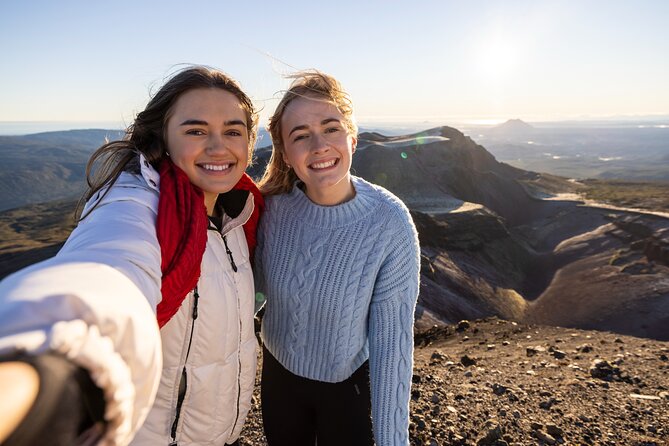
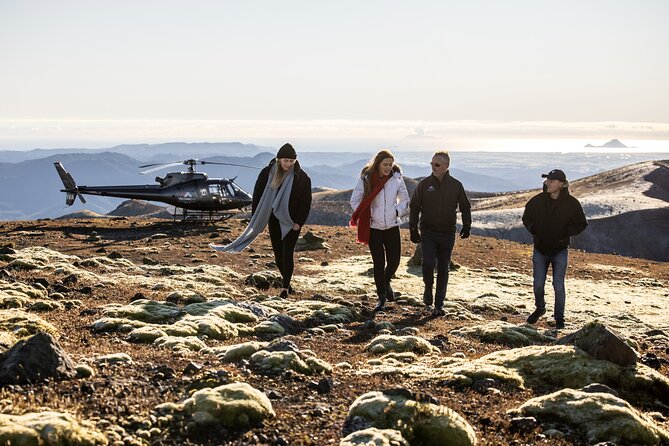
The landing is the whole point. A standard helicopter ride can be fun, but it’s still usually a “look, then leave” experience. Here, you actually get to disembark on Mt. Tarawera’s dormant volcanic terrain, which changes how you experience everything.
Expect a short guided exploration on foot. Your guide can show you things you just saw from the air—craters and volcanic domes—and help you compare what the flight revealed with what’s on the ground. This is where many people feel the tour becomes more than sightseeing, because your senses switch from view-only to movement and close-up scale.
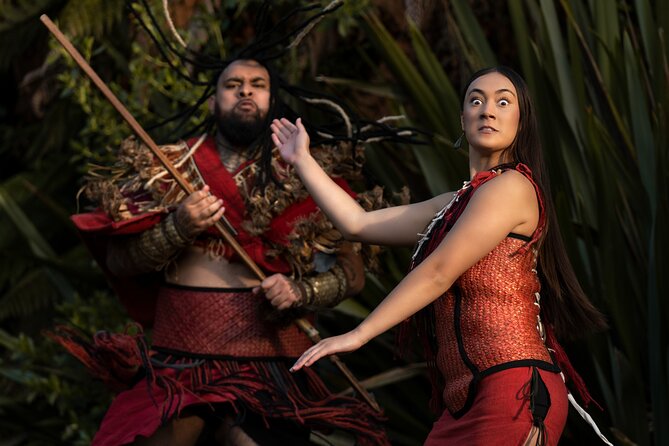
There’s also a cultural layer woven in. The walk includes commentary that compares the region’s geologic history with Maori legend. That pairing matters. It doesn’t replace the science; it gives you a second lens. You’ll likely understand the area in a way that sticks, because you’re hearing how different knowledge systems talk about the same landforms.
The guided walk: what to expect when you step onto volcanic ground
The on-foot portion is guided, which is what you want on any uneven volcanic terrain. The walk is described as a short exploration where you’ll move past otherworldly craters and domes.
From what people say after the fact, two things come through strongly. First, the experience is usually smooth in practice—your team manages pacing so you don’t feel rushed at the landing. Second, if you’re nervous, you’re not expected to just muscle through it. There are comments about pilots and guides offering comfort and reassurance, especially for passengers who were worried about stepping onto volcanic ground and handling a steep-feeling walk.
That’s a practical tip for you: if you’re the type who gets shaky on uneven surfaces, treat this as a “short but real” hike. Wear shoes with good grip. Keep an eye on your footing. And don’t be shy about letting your guide know what you need.
The pilot-guide factor: personalized attention makes the flight better
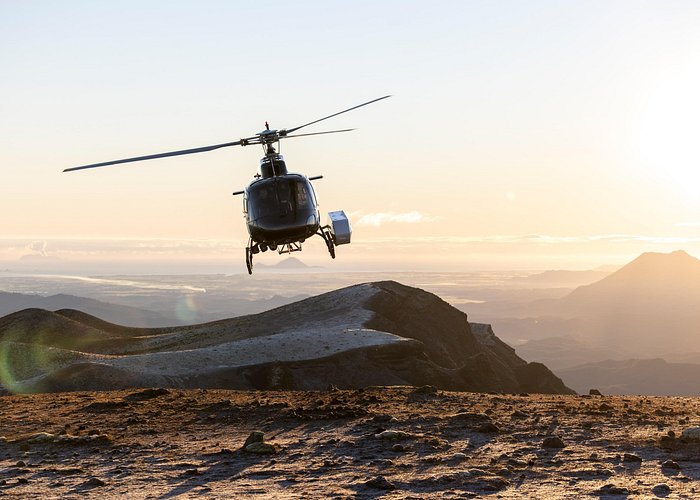
The tour isn’t just pilot + passengers. It’s pilot-guide with onboard commentary, and that’s a big part of the value. You’re not stuck with generic recordings. You’re hearing the story directly from someone who can adjust the explanation to your questions and your pace.
The small group size (up to 6) also changes the atmosphere. With fewer people, it’s easier for the pilot to interact, answer questions, and make sure you’re oriented to what you’re seeing. Reviews highlight pilots who are patient, interact during the flight, and don’t rush people during the landing and walk.
There’s also a clear emphasis on making the experience comfortable. Some people mention feeling scared but enjoying the landing after getting reassurance. Others call out how the flight is smooth and how the landing itself becomes the highlight rather than the stressful part.
Weather and timing: how to plan so the day stays smooth
This experience requires good weather. That’s not a small footnote—helicopter flights and volcano landings depend on conditions, and Rotorua’s weather can change quickly. If the tour is canceled due to poor weather, you’re offered an alternative date or a full refund, which is exactly what you want when you’re paying for something weather-sensitive.
Timing-wise, it’s short: flight time is about 40 minutes, and the overall duration is listed as approximately 40 minutes. You won’t be doing this as a slow half-day unless you build extra buffer time around it. Treat it like a focused “big moment” on your Rotorua itinerary.
Also, there’s no food or drinks included, and there’s no hotel pickup or drop-off. So plan a snack or meal before you go, and confirm you can get to the meeting point on time.
What you learn along the way: the “why” behind the views
The tour gives you more than coordinates and pretty pictures. The commentary connects the geography to events.
Here are the big concepts you’re likely to hear clearly:
- The rift system and how it shapes the volcanic area
- The 1886 eruption and its impact on places like Te Wairoa
- The loss of the Pink and White Terraces, and why they mattered to 19th-century visitors
- The way Maori legend and geologic events can both be used to understand the same region
This is the kind of learning that sticks because it’s attached to an experience. The flight gives you the shape; the walk gives you the scale. Then the story fills in what changed and why.
There’s also mention in feedback about practical environmental work in the area, including comments about local iwi involvement in cleaning up noxious weeds. That kind of detail is a reminder that this volcano is not just scenery—it’s a living landscape people care for.
Price and value: what $417.03 really buys you
At about $417.03 per person, this isn’t a budget activity. You’re paying for two things that usually cost a lot in New Zealand: helicopter time and a guided landing.
If you compare it to ground-based geothermal tours, the price makes sense in a simple way: most ground tours can show you thermal areas, but they can’t replicate a close-up approach to volcano structure from the air and then put you on the ground on the volcano itself. This is a short experience, but it’s also a rare one. A volcano landing is not something you can recreate later on your trip.
The value also improves if your top priority is getting the views and context in one go. The combination matters: you’re not just flying around; you’re landing, listening, and walking briefly in the volcanic terrain.
Comfort rules that can affect who should book
Helicopters can be surprisingly comfortable, but you should know the limits. The tour lists a maximum weight per seat/passenger of 297 lbs (135 kg), with a total weight per passenger of 298 lbs noted. If you’re near that range, plan carefully and check with the operator.
The tour is also described as suitable for most travelers, and the aircraft’s comfort and balance constraints are part of the reason the weight limits exist. If you have mobility issues, you should treat the on-foot portion as a short walk on uneven volcanic terrain and decide based on your comfort level.
Who this tour suits best
This is ideal if:
- You want Rotorua views from the air and you don’t want to spend hours getting them
- You care about the geology and the story behind the eruption, not just the photo stops
- You prefer a small-group experience where you can ask questions
- You’re excited by the idea of a true volcano landing, even if it sounds a little intimidating at first
It may not be ideal if:
- You’re not comfortable with short, uneven walking on volcanic ground
- You’re traveling with a tight schedule and can’t flex if weather delays or cancels the flight
- You want an included meal, since food and drinks aren’t part of the tour
Quick decision guide: should you book?
If your ideal Rotorua day includes a big visual moment plus guided context, I think this one is a strong yes. The volcano landing is the differentiator, and the small-group size plus pilot-guide commentary makes the experience feel personal rather than rushed.
Book it if you can be flexible with weather and you’re ready for a short walk on volcanic terrain. Skip it if you need a long, leisurely outing or you strongly dislike the idea of helicopter landings and uneven ground.
FAQ
How long is the Mt Tarawera helicopter tour with volcano landing?
The flight time is about 40 minutes, and the tour duration is listed as approximately 40 minutes.
Where does the tour start and end?
The tour starts at Lakefront Drive, Ohinemutu, Rotorua 3010, New Zealand, and it ends back at the same meeting point.
What is included in the price?
Included are the pilot-guide and onboard commentary. The admission ticket is included for the stop on Mt. Tarawera.
Is hotel pickup or drop-off included?
No. Hotel pickup and drop-off are not included.
Are food and drinks included?
No. Food and drinks are not included.
How large is the group?
The tour has a maximum of 6 travelers.
Is the tour dependent on weather?
Yes. It requires good weather, and if it’s canceled due to poor weather you’ll be offered a different date or a full refund.
What is the weight limit for passengers?
The maximum weight per seat/passenger is listed as 297 lbs (135 kg).
How soon will I receive confirmation after booking?
Confirmation is received within 48 hours of booking, subject to availability.