REVIEW · WAIKOLOA VILLAGE
Waikoloa: Big Island Spectacular Helicopter Tour
Book on GetYourGuide →Operated by Blue Hawaiian Helicopters · Bookable on GetYourGuide
One helicopter flight can do what a full day of driving can’t: show you the Big Island’s volcano-to-rainforest story from above. This 105-minute tour is built around big contrasts, from the active Kilauea area to the greener Hamakua Coast, then up toward the Kohala Mountains, with an exclusive landing that turns the photos from nice to wow.
I love that it’s a small group (limited to 6) and the pilots actually narrate what you’re looking at. On top of that, the aircraft design means you get wide viewing windows, so you’re not constantly craning for a shot.
One consideration: weather can change what you see. On one recent day, the volcano was obscured by conditions, so if seeing Kilauea clearly is your main goal, build in flexibility.
In This Review
- Key things I’d circle before you book
- The Waikoloa helicopter experience: why this route is worth the price
- Entering the air: check-in timing, small-group feel, and what to wear
- The 105-minute route: a simple flow from Kilauea to Kohala
- Kilauea and volcanic badlands: what you’ll actually be looking for
- Hamakua Coast: the contrast that makes the whole flight feel real
- Kohala Mountains valleys: seeing scale you can’t get from the road
- The big moment: Laupahoehoe Nui landing and its 1200-foot waterfall
- Helicopter comfort and the meaning of wide viewing windows
- Price and value: what $719 is buying you
- Weather reality: why the volcano might not show up
- Simple rules that help you get the most from the day
- Who should book this helicopter tour—and who might skip
- Should you book Waikoloa: Big Island Spectacular Helicopter Tour?
- FAQ
- How long is the Waikoloa helicopter tour?
- How big is the group?
- What’s included in the price?
- What’s not included?
- Where does the tour land, and how long do you stay?
- Is the tour wheelchair accessible?
- Is the tour offered in English?
- Can an infant join the tour?
- Are there any restrictions if I scuba dive before the flight?
Key things I’d circle before you book
- Wide windows that make it easier to frame the view without fighting for position
- Kilauea and black sand from the air, where the scale feels completely different
- A focus on real geology and volcanic history, with pilots like Shawn and Kaj calling out what matters
- A rare exclusive landing at Laupahoehoe Nui for 20–25 minutes on the ground
- Ham a kua Coast rain-fed scenery in contrast to the darker volcanic areas
The Waikoloa helicopter experience: why this route is worth the price
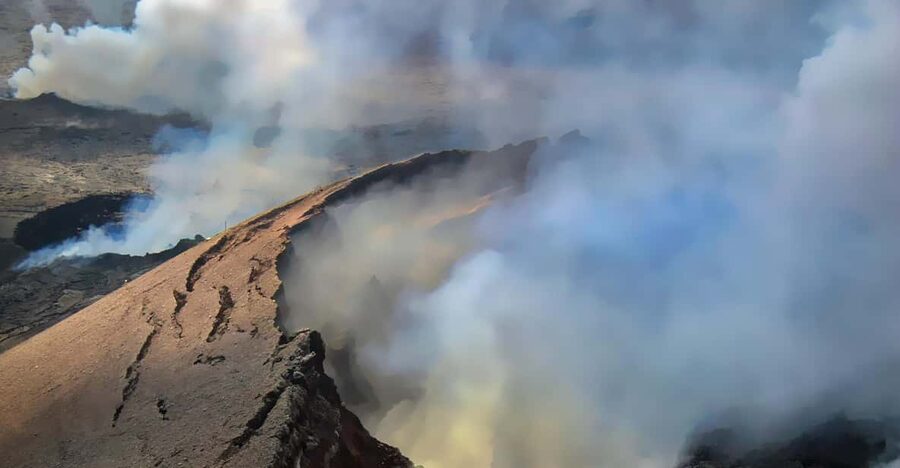
This is the kind of tour where the value isn’t just that you fly. It’s what you fly over, and how quickly you can stitch together the Big Island’s strongest visual themes.
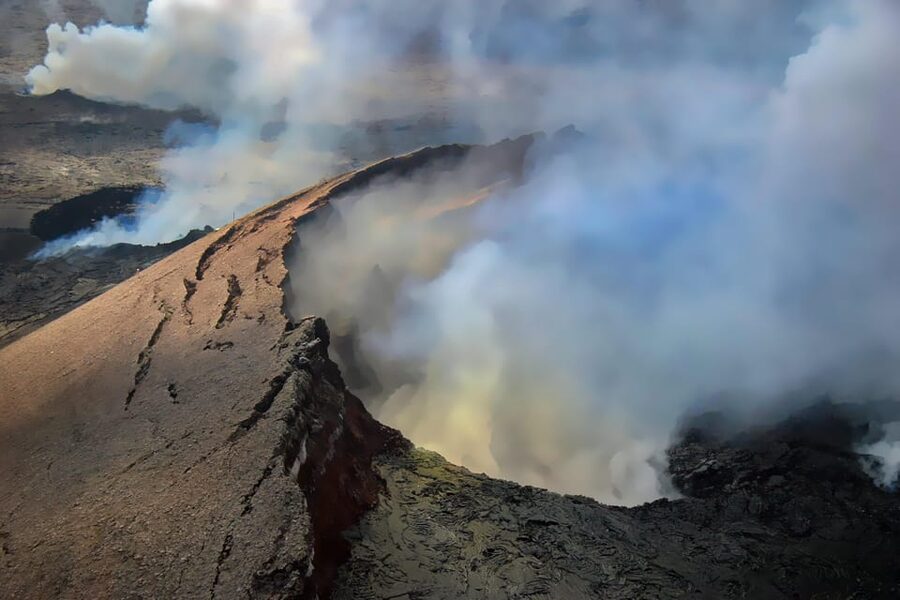
From Waikoloa, you’ll get an aerial look at the Kilauea area—still active in the broader sense, with eruptions continuing since 1983—and you’ll also see terrain shaped by the 2018 eruption. The effect is hard to duplicate any other way. On the ground, volcanic areas can feel like one long, dramatic stop. From the air, you can compare textures and shapes across a wide swath: older flows versus newer-looking cuts, and the way the coastline and vegetation react to heat and ash.
What really helps is that the flight stays focused on the Big Island’s extremes. You’re not wasting time on vague scenery. You’re moving from volcanic badlands to rainforest-green coasts to mountain valleys that show how different ecosystems sit right next to each other.
You can also read our reviews of more tours and experiences in Waikoloa Village.

Entering the air: check-in timing, small-group feel, and what to wear
Helicopter days have one rule: arrive early. You check in 60 minutes before departure, and late arrivals may not be accepted. The good news is that once you’re checked in, the experience is straightforward: headsets on, pilot guide working the route, and you’re soon off the ground.
This is also a small-group setup, limited to 6 participants. That matters more than you’d think. In a crowded aircraft, you spend half your time looking for a better angle. Here, you can relax, look out, and actually watch what the pilot points at.
For clothing, I take the advice on the practical side: wear dark-colored clothes if you can. Bright colors can reflect in the windows, and you’ll appreciate cleaner photos. Comfort matters too, since you’ll be seated for the whole flight, and the best views come from staying ready at the windows, not constantly adjusting your posture.
The 105-minute route: a simple flow from Kilauea to Kohala
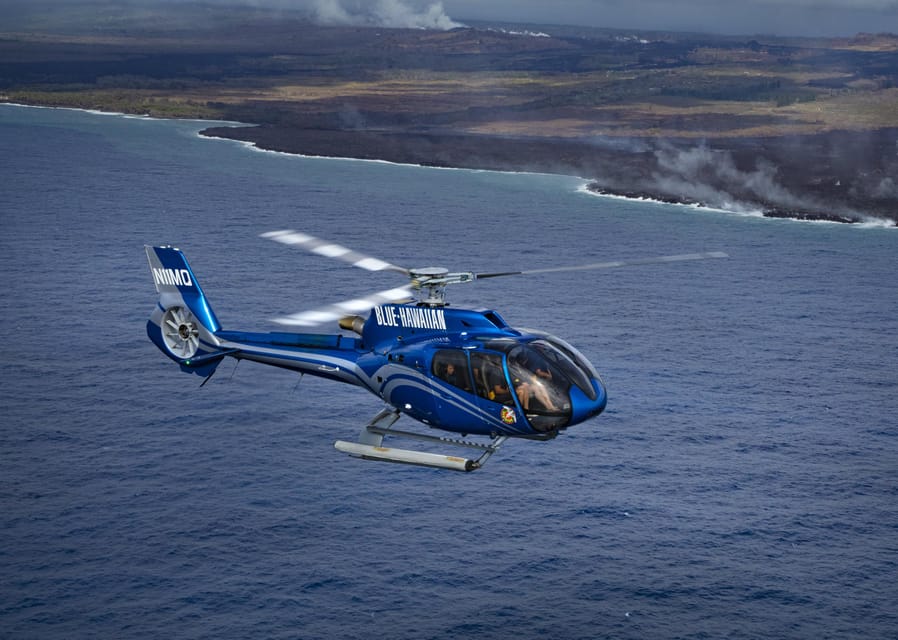
The whole tour runs about 105 minutes (around 2 hours), and it’s paced in a way that doesn’t feel rushed, even with sightseeing from the air.
The basic arc:
- You start with the Kilauea area and volcanic terrain, including black sand shoreline views.
- You move toward the Hamakua Coast, where the scene shifts to greener, wetter country.
- Then it transitions into the Kohala Mountains and the valleys between.
- The standout moment is an exclusive landing at Laupahoehoe Nui, where you get 20–25 minutes on the ground.
- After that, you return by air back toward Waikoloa for final overhead views.
Think of it like three different postcards in one trip: fire and stone, rainforest-and-water, then the mountain valleys. The landing is what makes it feel less like a drive-by.
Kilauea and volcanic badlands: what you’ll actually be looking for
The tour begins with an aerial look at Kilauea, including a view of its long-running eruption pattern since 1983. That “continuously erupting” concept can be hard to grasp on a map, but from above you can see how activity sculpts the coastline and how the land changes in broad strokes.
You’ll also pass over black sand beaches and Madame Pele’s volcanic badlands. Those names are part mythology, part shorthand for what the terrain shows you: stark, dark volcanic ground with dramatic contours. From the air, it’s easier to connect the dots between what you’d see as isolated black patches from a road and the bigger system that created them.
One reason I like this part of the tour so much is the way pilots narrate what’s going on. In recent feedback, pilots like Shawn and guide Kaj stood out for explaining geology and volcanology in a way that makes the view click. You don’t just watch lava-like terrain. You get cues for what you’re seeing and why it looks the way it does.
Hamakua Coast: the contrast that makes the whole flight feel real
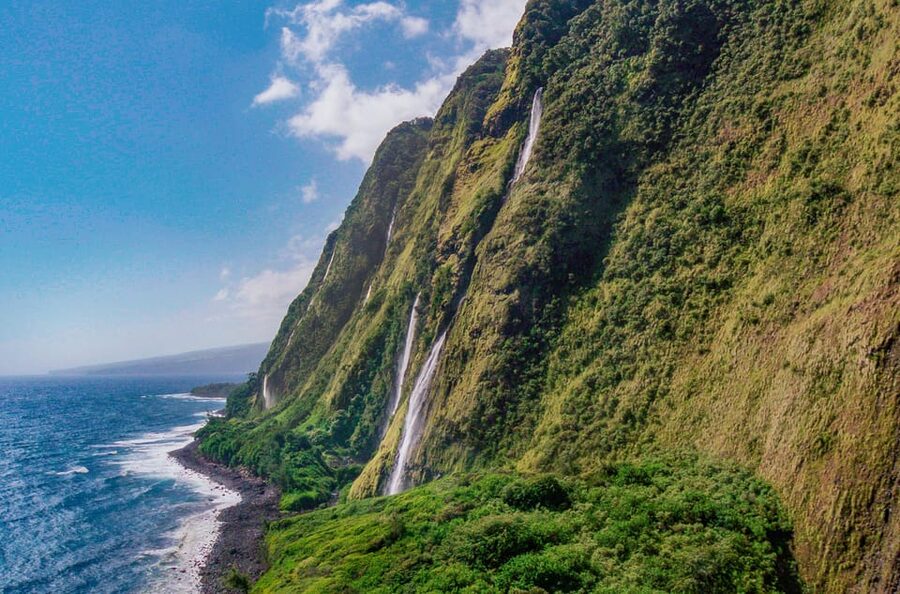
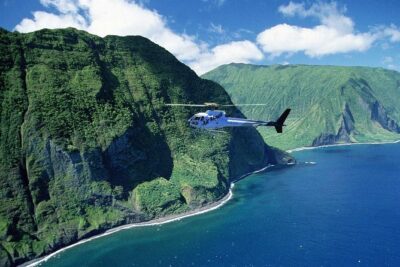
After the volcanic areas, the scenery shifts toward the Hamakua Coast—lush rainforest country with cascading waterfalls.
This is more than pretty scenery. It’s the part of Hawaii that reminds you that volcanic land isn’t just black and bleak. Once the environment has time to recover, the moisture and vegetation move in, and the contrast becomes visually dramatic. You’ll see green canopies and water carving through steep terrain, which also helps you understand how quickly ecosystems can change by elevation and exposure.
If you’re the kind of traveler who likes variety, this is where the tour delivers. The flight doesn’t stick to one mood. It deliberately plays with light, texture, and color so the volcanic areas don’t become repetitive.
Kohala Mountains valleys: seeing scale you can’t get from the road
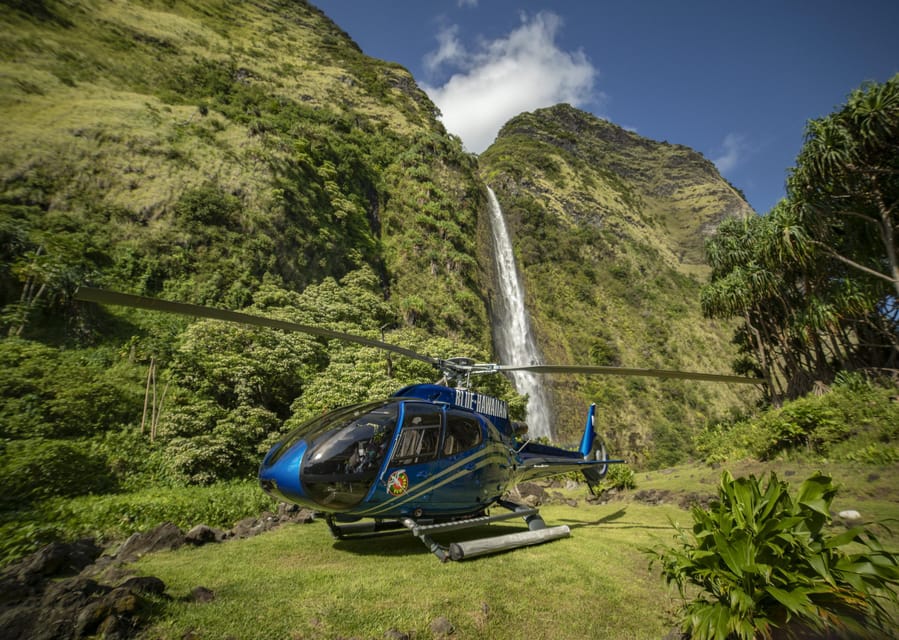
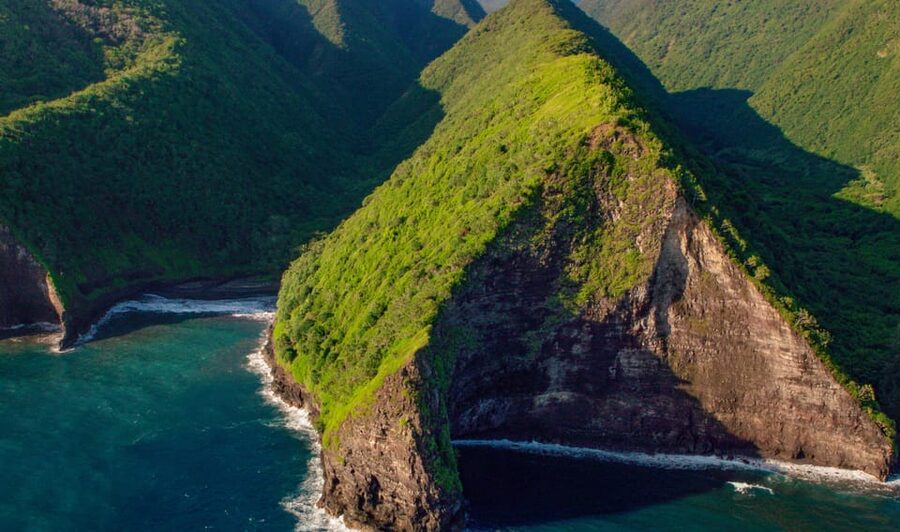
Next comes the Kohala Mountains area, including aerial views through meandering valleys. Mountains are hard to judge from ground level, because your perspective is limited by roads, ridgelines, and the angle of your own viewpoint.
From above, valleys read like channels. You can trace how the terrain funnels water and how the slopes change. The result is a sense of scale that’s difficult to capture in photos from a viewpoint platform.
This part also helps connect the earlier and later sections. You’ve seen volcanic texture and you’ve seen green water-heavy areas. Now you’re seeing how the landscape organizes itself into regions, and how those regions fit together.
The big moment: Laupahoehoe Nui landing and its 1200-foot waterfall
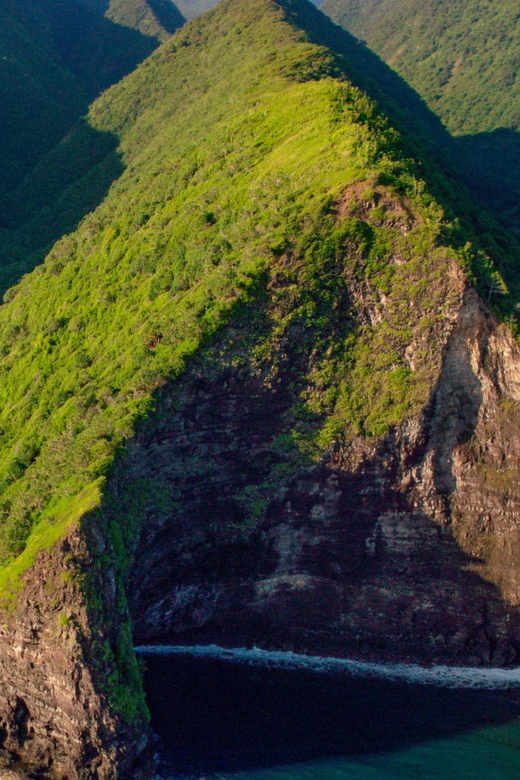
The highlight is the exclusive landing at Laupahoehoe Nui on the Kohala Coast, with 20–25 minutes on the ground.
That time on the ground is valuable because helicopter tours often feel like you just look out and then leave. Here, you actually stop. And the reason you stop is clear: the area is home to a majestic 1200-ft waterfall, which gives you a distinctive photo and video opportunity.
Why does this matter beyond the photo? Because waterfalls change how you experience the place. When you can stand near one, you notice the sound, the mist, and the way the land frames it. Even if you’re not a “nature person,” this is the kind of stop that turns a helicopter flight into a memory you can replay later.
Practical tip: plan to bring your camera ready before you land. Once you’re on the ground, you’ll want to move fast, find your angles, and start shooting before the best light slips away.
Helicopter comfort and the meaning of wide viewing windows
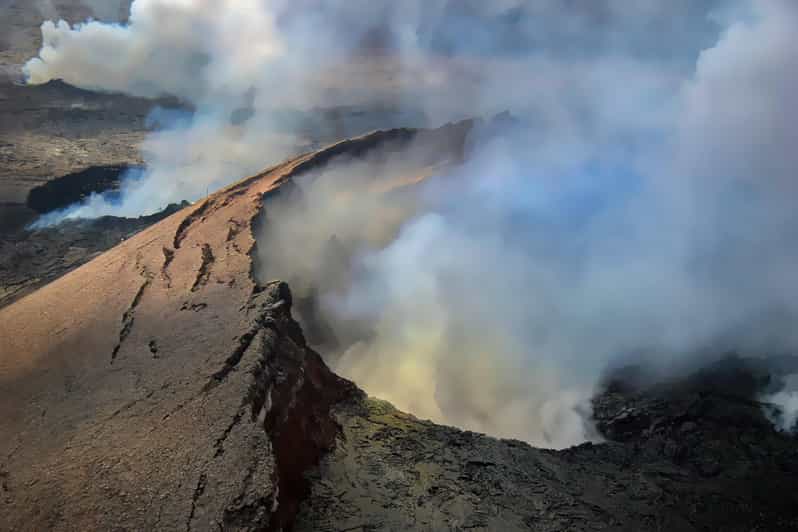
The aircraft are described as premier helicopters with wide viewing windows. In real terms, that usually translates to two things: fewer awkward angles and more consistent visibility of the route.
This matters when you want photos. If the window line is narrow or the seat position is awkward, you end up holding your camera in an odd way and hoping you got the shot. Wide windows help you keep your framing more stable and reduce the need to rotate your whole body every time the pilot banks.
Also, the flight includes headset use and a pilot guide. Headsets help you hear the pilot without guessing. And a guide who can narrate what you’re seeing makes the flight feel like an experience, not just a scenic ride.
Price and value: what $719 is buying you
At $719 per person for about 2 hours, this isn’t a budget activity. So I look at value in three categories: experience intensity, uniqueness, and what you avoid.
1) Intensity and variety in one block of time
You’re seeing Kilauea activity context, black sand coastline, rainforest coastlines, and Kohala Mountains valleys—plus the waterfall landing. Driving around to stitch all that together efficiently would cost you time, gas, and a lot of viewing limitations.
2) Uniqueness of the landing
The exclusive 20–25 minute stop at Laupahoehoe Nui with a 1200-ft waterfall is the kind of component that tends to justify premium pricing. It adds an on-foot moment, not just overhead views.
3) Small-group experience
Limited to 6 participants, it feels more controlled. You spend less time negotiating space and more time enjoying the route.
Is it worth it? If you’re prioritizing Big Island highlights and want a high-impact experience that’s still guided, it often makes sense. If you’re only after one narrow theme (for example, only volcano views) and you’re not flexible on weather, you might want to compare against other options.
Weather reality: why the volcano might not show up
One of the most important things to know before booking is that weather affects visibility. On a recent tour, the volcano wasn’t seen clearly because of conditions that day.
That doesn’t mean the tour is useless. You can still enjoy rainforest and terrain contrast, and the landing remains part of the experience. But if your personal “must see” is Kilauea specifically, treat this as an experience that depends partly on conditions.
If you can, schedule it when you have flexibility later in your trip. That way, you’re not locked into one date with no backup.
Simple rules that help you get the most from the day
A few details make a difference between a good flight and a great one:
- No scuba diving within 24 hours of tour departure. Plan your dive day so you’re not cutting it close.
- Bring your darker clothing if you’re chasing clean window photos.
- Keep in mind the late arrival cutoff: check in 60 minutes early.
- Remember the tour is wheelchair accessible, which is a real plus if you need that accommodation.
There’s also a weight rule you should note early. For each guest weighing over 240 pounds (108 kg), an adjacent empty seat is required for safe balance. The second seat is charged at half off the regular tour price, and you’ll need to arrange that additional seat after booking. If you fall into that category, taking care of it early prevents surprises at check-in.
Who should book this helicopter tour—and who might skip
This is a strong fit for you if:
- You want the fastest route to a wide view of the Big Island’s major regions.
- You like guided narration and want a clearer sense of volcanology and geology, not just sightseeing.
- You value a small group and like the idea of an actual on-the-ground stop at Laupahoehoe Nui.
You might skip or reconsider if:
- You’re mainly trying to see the volcano at all costs and you can’t tolerate the risk of cloud or haze.
- You prefer a slower, road-based pace where you can stop as long as you want at a single spot.
- You’re traveling with a tight schedule where missing a weather window would ruin your plan.
Should you book Waikoloa: Big Island Spectacular Helicopter Tour?
If you’re coming to the Big Island for big visual contrasts—active volcanic terrain, black sand, rainforest coasts, then Kohala Mountains—this tour is one of the most direct ways to see the whole story in one trip. The small-group size, the guided narration (shout-out to pilots like Shawn and guide Kaj), and especially the 20–25 minute Laupahoehoe Nui landing with the 1200-ft waterfall make it feel like more than a standard helicopter ride.
Book it if you can be flexible with weather and you’re comfortable with the premium price for that combination of access and time. If your trip is rigid and your main goal is a single view that might be blocked, you may want a backup plan.
FAQ
How long is the Waikoloa helicopter tour?
The tour duration is 105 minutes (about 2 hours).
How big is the group?
It’s a small group, limited to 6 participants.
What’s included in the price?
Included items are headset and a pilot guide.
What’s not included?
Transportation to and from the heliport is not included.
Where does the tour land, and how long do you stay?
The tour includes an exclusive landing at Laupahoehoe Nui on the Kohala Coast, with 20–25 minutes on the ground.
Is the tour wheelchair accessible?
Yes, the tour is wheelchair accessible.
Is the tour offered in English?
Yes, the live tour guide provides narration in English.
Can an infant join the tour?
Infants up to 23 months must sit on laps and are free of charge.
Are there any restrictions if I scuba dive before the flight?
Yes. You should avoid scuba diving within 24 hours of the tour departure.