REVIEW · VIRGIN RIVER
55 Mile – Helicopter Tour Around Zion National Park
Book on Viator →Operated by Zion Helicopters · Bookable on Viator
Zion from the air changes everything fast. This 55-mile helicopter loop is built to show you more of Zion National Park’s big geology in about 30 minutes, without the long hike and without sitting in park traffic.
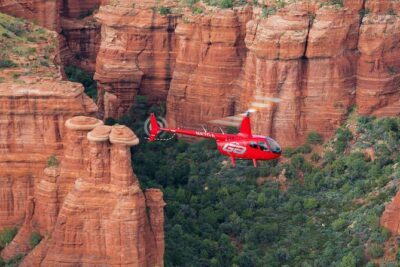
I love the way the route connects Smith Mesa and Kolob Canyon into one flight plan. I also love the pilot-led storytelling, including clear explanations of how the dark red rock fingers of the Kolob Canyons and the Red Butte Mountain range formed.
One drawback to consider: Zion limits where tour aircraft can fly, so you’ll enjoy dramatic perimeter views rather than low-altitude flyovers straight over the park.
In This Review
- Key things to know before you fly
- What you’re really buying: a 55-mile loop from the Zion perimeter
- Where the helicopter takes off: the Springdale-side convenience
- The Zion perimeter rule, explained in plain English
- Smith Mesa and the north-side glide: where color and shape pop
- Kolob Canyons and Red Butte: geology talk that you can actually see
- Canaan Mountain Wilderness Area: the 2,000-foot cliff moment
- Timing, crowds, and the value of skipping the line
- Price and comfort at $299: what the cost really covers
- Group size, minimums, and why your flight could change
- Practical tips for getting the most out of a 30-minute flight
- Who should book this Zion helicopter loop
- Should you book the 55-Mile Zion helicopter tour?
- FAQ
- How long is the 55-mile Zion helicopter tour?
- How far is the flight?
- Will the helicopter fly directly over Zion National Park?
- What if I weigh more than 250 lbs?
- How many people are on the helicopter?
- What happens if the tour can’t operate due to weather or minimum passengers?
Key things to know before you fly
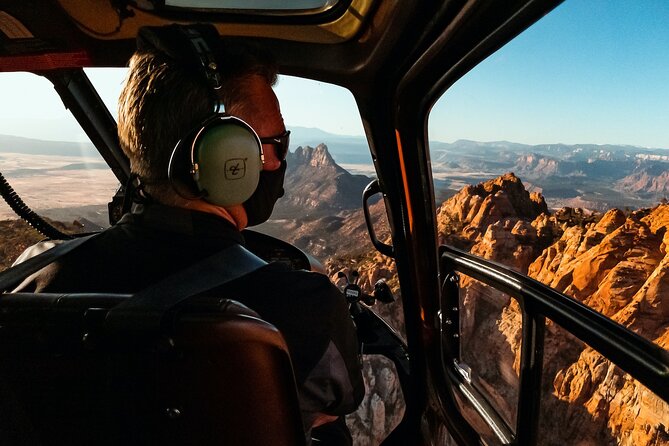
- 55 miles / 88.5 km of flying time on this specific loop, not a quick hop
- Perimeter views instead of low flyovers, because Zion doesn’t allow low-altitude passenger aircraft directly over the park
- Both Kolob Canyon and Smith Mesa are on the same tour route
- Small-group feel with a maximum of 6 travelers, though seats can feel tight with a full load
- Heck-yes scenery + pilot commentary, with named pilots like Kyle, Jordon, and Matthew showing up in past passenger praise
- Weight rules matter: the limit is 250 lbs, and heavier passengers may need an extra seat
What you’re really buying: a 55-mile loop from the Zion perimeter
For $299, you’re not paying for a “sit and look” flight. You’re paying for a planned route that wraps around Zion’s key areas—so you can connect distant viewpoints in one go, then land before it becomes a full half-day.
This tour is about efficiency. The time in the helicopter is short (about 30 minutes), but the distance flown is long enough to see a broad arc of the region, including Kolob Canyon, Smith Mesa, and the Canaan Mountain Wilderness Area. If you’re trying to cover a lot of ground in a tight trip window, this setup makes a strong case.
The other “real” thing you’re buying is access to viewpoints you can’t easily replicate from the roads. Even when you’re not flying at low altitude over the park, the aerial angles give you a cleaner read on ridges, cliff lines, and canyon cuts—especially with the colors Zion is known for.
You can also read our reviews of more tours and experiences in Virgin River.
Where the helicopter takes off: the Springdale-side convenience
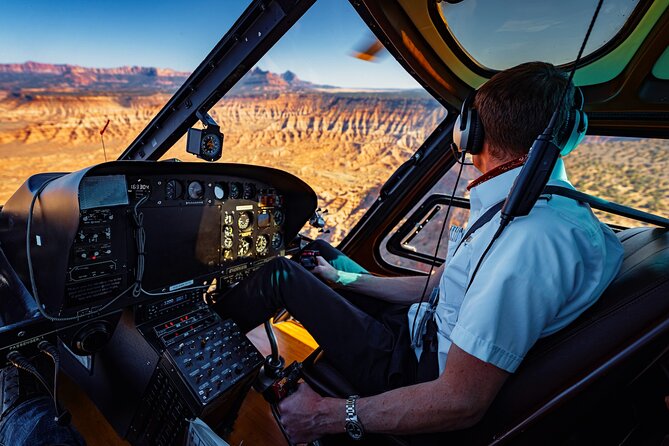
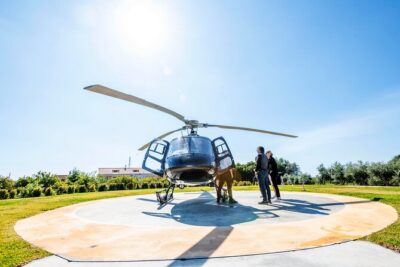
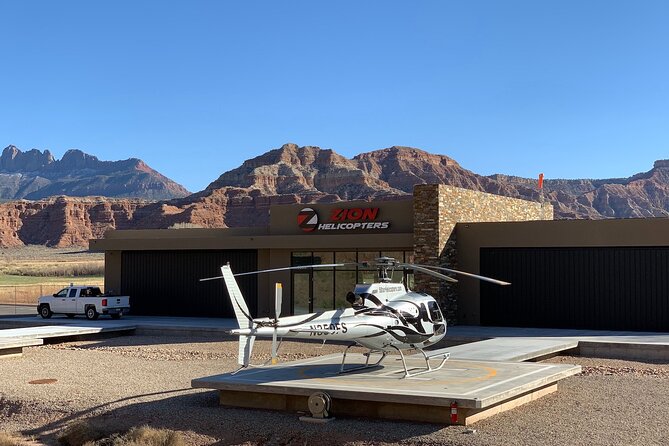
Your departure point is Zion Helicopters in Virgin, Utah, at 3050 East UT-9, Virgin, UT 84779. The good news is that the heliport is described as being just minutes from both Springdale and the park’s main entrance, so you’re not burning half your day just getting to the air.
After check-in, you’ll be walked to your waiting helicopter. In real-world terms, that matters because helicopter days can feel rushed: quick check-in and a short transfer usually means you spend less time standing around and more time buckling in and scanning for photo angles.
You should also plan for a weather reality. This experience requires good weather to operate, and if conditions don’t work out, you’ll be offered a different date or a full refund. That’s not a marketing detail—it’s the nature of safe flying here.
The Zion perimeter rule, explained in plain English
Zion National Park does not permit low-altitude passenger tour aircraft to fly directly over the park. That’s why you’ll get “looking into Zion from the perimeter” views instead of a close-in flyover.
This can sound like a compromise, but it’s also part of what keeps the flight so comfortable and scenic. From the outer edges, you still see the canyon walls and cliff systems, and you get a wider perspective on how the land pieces connect. You’re basically getting a “from-edge overview” of Zion’s structure.
Still, keep expectations grounded: if your dream is a super-close, low-altitude, wraparound pass right over the busiest sights, this isn’t sold that way. The payoff is the big-picture look at multiple areas without needing to hike between them.
Smith Mesa and the north-side glide: where color and shape pop
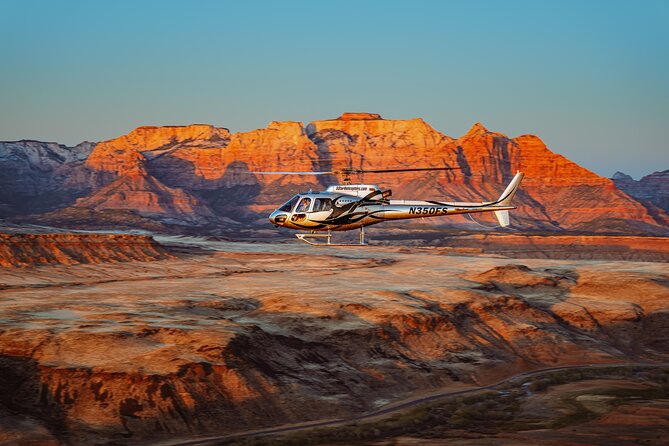
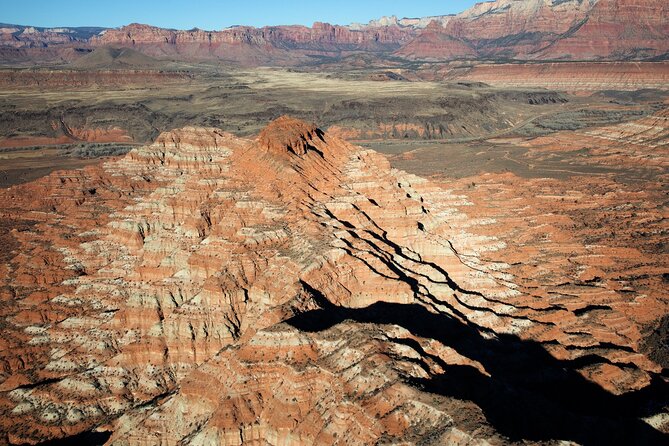
After takeoff, the route moves north between Smith Mesa and Zion National Park. This matters because Smith Mesa gives you a strong, readable silhouette from the air—flat-topped or gently sloped high ground that frames the canyon systems below.
What you’re likely to notice from this leg is how quickly the scenery changes when you’re not limited by a single trailhead or a single road pull-off. From above, the canyon network looks less like isolated viewpoints and more like one connected system.
If you like photography, this is the kind of light and angle that can help you capture more than one “type” of view—mesas, canyon cuts, and ridge lines—without changing locations. The tour is built to keep you moving through those visual themes while you’re still in the air.
Kolob Canyons and Red Butte: geology talk that you can actually see
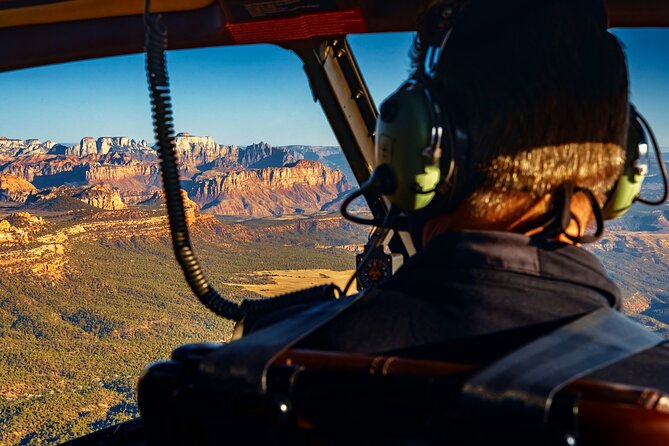
The pilot portion isn’t just small talk. The flight includes explanations of Zion’s geology—specifically the formation of the dark red rock fingers of Zion’s Kolob Canyons and the Red Butte Mountain range.
Here’s why that’s valuable: when someone points out what you’re looking at—rock type, erosion patterns, and how the land was shaped—you stop seeing a generic “red canyon.” You start seeing why the cliffs look the way they do.
From a practical standpoint, this also makes the short flight feel longer. A 30-minute helicopter tour can blur together if nobody explains what you’re seeing. But if the pilot calls out the features while they’re still in view, you end up with a stronger mental map of the park.
Past flights also show that some pilots bring real personality to the commentary. Names like Kyle and Jordon come up in passenger praise for being engaging, which is a good sign if you want more than a silent postcard ride.
Canaan Mountain Wilderness Area: the 2,000-foot cliff moment
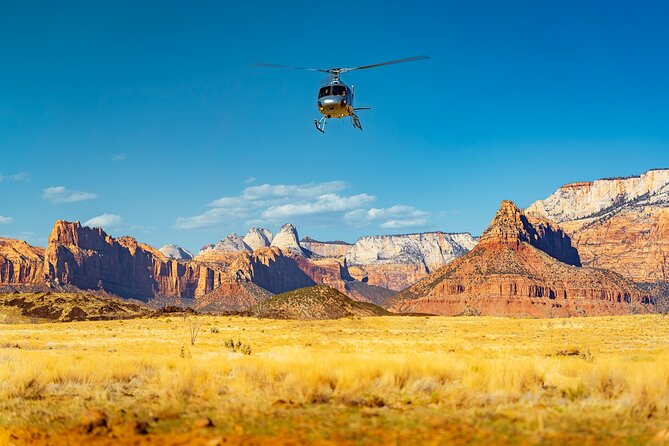
The flight continues over the Canaan Mountain Wilderness Area, described as famous for stunning 2,000-foot sheer cliffs. This is the part of the itinerary that sounds like a headline, but from the air it becomes a clear “whoa” moment because scale is hard to judge on the ground.
A sheer cliff reads as a near-vertical wall when you’re looking down the face. When you add canyon depth and light angles, those cliff lines can look almost sculpted—like the land was cut with a blade.
This leg also helps you understand the park’s edges as more than boundaries. The cliffs and rock formations around the wilderness area show the same geologic story playing out across neighboring terrain. It’s a nice way to widen your mental picture of Zion beyond the busiest viewpoints.
Timing, crowds, and the value of skipping the line
The headline promise is simple: soar above Zion and avoid the crowds. That’s not just about comfort. It’s about time and attention.
If you’re trying to enjoy Zion without spending your day fighting for parking or waiting for timed-entry logistics, a short helicopter loop can protect your schedule. You get “big Zion moments” without committing to a long hike or a full day of road travel.
The tour also offers easy scheduling with many start times to choose from. That flexibility is useful in practice, especially if you’re traveling with a group and you’re trying to match the weather window with everyone’s arrival times. Just remember it does depend on good conditions for flying.
Price and comfort at $299: what the cost really covers
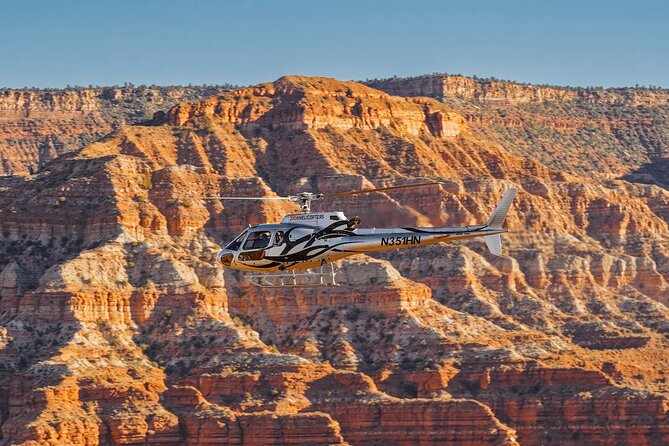
At $299 per person, this isn’t a budget activity. But helicopter pricing in the U.S. rarely is. What makes the value calculation easier here is that the flight is positioned as a 55-mile loop with landing and facility fees included.
You’re paying for three things at once:
- Time savings (about 30 minutes in the air)
- Distance flown (55 miles / 88.5 km)
- Access to aerial perspectives you don’t get from the road
Where comfort can affect value is the small-group setup. The helicopter has a maximum of 6 travelers, which usually helps keep the experience personal. Still, when a helicopter fills to capacity, seats can feel tight—one of the main complaints in the feedback you can expect to hear about.
Also pay attention to the weight and balance rules. The total passenger weight limit is 250 lbs per passenger. If you’re over that, you may be required to purchase an additional seat, paid directly to the operator on the day of the tour. That’s the kind of rule that protects safety, and it can change your total cost if you fall into that category.
Group size, minimums, and why your flight could change
This tour requires a minimum of 5 passengers to operate. If that minimum isn’t met, you’ll be offered an alternate date/time or a full refund. It’s a normal reality for small aviation ops, and it explains why booking ahead helps.
On timing: confirmation happens at booking, and the tour has multiple start times, which can help you lock in a slot. On the booking side, it’s also noted that the average booking window is about 29 days in advance, so the easiest dates can go early.
One more practical note: if the helicopter doesn’t fill exactly as planned, you might end up on a shorter or slightly different route. That doesn’t automatically mean a worse flight, but it can change what you see and for how long. If you’re aiming for specific photo targets, it’s worth asking on the day what route variant is running.
Practical tips for getting the most out of a 30-minute flight
A helicopter loop moves fast because it has to. Your best strategy is to be ready to look immediately after takeoff.
Bring a plan for photos. On aerial tours, you can’t “re-do” a shot once you’ve passed it. If you’re photographing, spend the first minutes scanning for the canyon lines and mesa shapes the pilot is likely to reference—those are usually your best targets.
Listen for names and features. The itinerary includes specific geographic callouts like Kolob Canyons, Red Butte, Smith Mesa, and Canaan Mountain Wilderness Area. When the pilot tags these features while they’re visible, you’ll turn random red rock into a meaningful route you can recognize later.
If you’re sensitive to cramped seating, consider choosing a time slot with fewer groups if options are available. The tour runs with a maximum of 6, but it’s still a tight cabin by nature. If you’re traveling with someone who needs extra space, it’s smart to factor that into your expectations.
Who should book this Zion helicopter loop
I think this tour is a great fit if:
- You want major Zion highlights without doing long hikes
- You want to see both Kolob Canyon-area views and Smith Mesa in one trip
- You value pilot commentary that helps you understand what you’re looking at
- Your itinerary has limited time and you don’t want to spend it in traffic
It may be less ideal if:
- You expect low-altitude flyovers directly over the park (the rules prevent that)
- You’re disappointed by aerial “overview” angles and only want close-in passes
- You’re likely to feel uncomfortable in a small, tight cabin during a full load
For families and couples, the short duration can be a big win. For solo travelers, it can also be a fast way to add a signature “wow” experience without needing transport planning across multiple trailheads.
Should you book the 55-Mile Zion helicopter tour?
Book this if you want the best chance of seeing multiple big Zion regions in one quick window, and you’re okay with the perimeter-view rules. The combination of 55 miles flown, pilot narration, and the inclusion of both Kolob Canyon and Smith Mesa makes it a strong value proposition for people who want maximum scenery per minute.
Don’t book this if you’re chasing a super-close, low-flyover style experience over the park. The flight is designed for safety and compliance, and that shapes what you’ll see.
If you can, book with a bit of schedule breathing room for weather. When conditions are good, this kind of aerial route tends to become the highlight you remember when you look back at your Zion photos.
FAQ
How long is the 55-mile Zion helicopter tour?
It’s listed as about 30 minutes (approx.) for the flight duration.
How far is the flight?
The tour route is described as 55 miles (88.5 kilometers).
Will the helicopter fly directly over Zion National Park?
No. Zion National Park does not permit low altitude passenger tour aircraft to fly directly over the park, so you’ll see the park from the perimeter.
What if I weigh more than 250 lbs?
There’s a total weight limit of 250 lbs per passenger. If you are over 250 lbs, you may be required to purchase an additional seat, which you pay directly to the tour operator on the day of the tour.
How many people are on the helicopter?
The tour has a maximum of 6 travelers.
What happens if the tour can’t operate due to weather or minimum passengers?
The experience requires good weather. If it’s canceled due to poor weather, you’ll be offered a different date or a full refund. If the minimum number of passengers isn’t met, you’ll be offered an alternate date/time or a full refund.