REVIEW · REYKJAVIK
Iceland Volcanic Eruption Area Helicopter Tour from Reykjavík
Book on Viator →Operated by GlacierHeli · Bookable on Viator
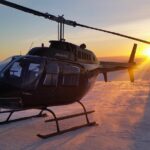
A volcano, from the sky, in Iceland. This short helicopter flight from Reykjavík sends you over the Reykjanes Peninsula and then back toward the city, with your pilot explaining what you’re seeing in Iceland’s geology. It’s one of those experiences where the views are the headline, but the commentary makes the whole show click.
I also like the small group setup. With only 5 travelers max, you’re not packed in, and you’re more likely to get a seat that helps with photos. One drawback to plan for: the trip can be canceled or adjusted due to weather, and you might not always get fresh lava on the day.
In This Review
- Key things I’d lock in before you go
- Reykjanes by helicopter beats drive-by volcano tours
- Reykjanes Peninsula: 20 minutes over an eruption zone you can’t ignore
- Reykjavík’s aerial flyover: the city meets Arctic blue water
- Your pilot’s eruption timeline is what makes the flight feel long
- Landing on cooled lava: when conditions allow, it turns into a memory
- Price and value: what $592.82 really buys you
- Weather control in Iceland: plan like your flight is a guest
- Meeting point, timing, and what to bring (without overthinking it)
- Who should book this, and who should skip it
- Should you book this Reykjavík volcanic helicopter tour?
- FAQ
- How long is the Iceland Volcanic Eruption Area Helicopter Tour from Reykjavík?
- Where does the tour fly?
- What is included in the tour price?
- Is food included?
- Where is the meeting point?
- What group size and weight limit should I expect?
- What happens if the weather is bad?
Key things I’d lock in before you go
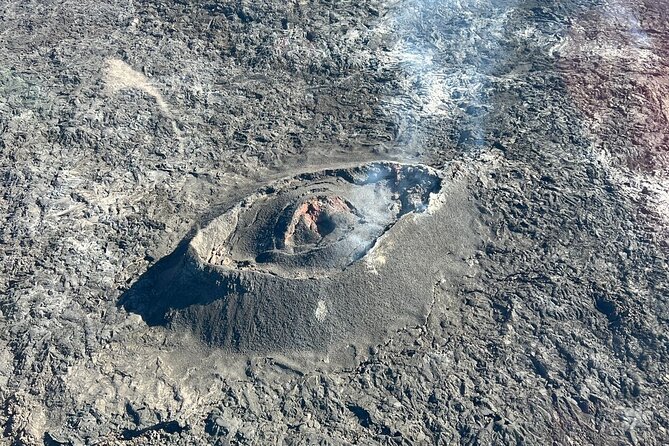
- Reykjanes Peninsula flying time: About 20 minutes over a highly active volcanic zone just 30 km from Reykjavík
- Small group ride: Maximum 5 travelers, with a very personal feel in the cockpit area
- City views from above: Reykjavík rooftops and Faxaflói Bay take on a whole new shape from the air
- Pilot-led geology talk: You’ll get explanations tied to eruption types and timing you can actually see
- Possible lava-field landing: If conditions allow, you may land and walk near eruption terrain
Reykjanes by helicopter beats drive-by volcano tours
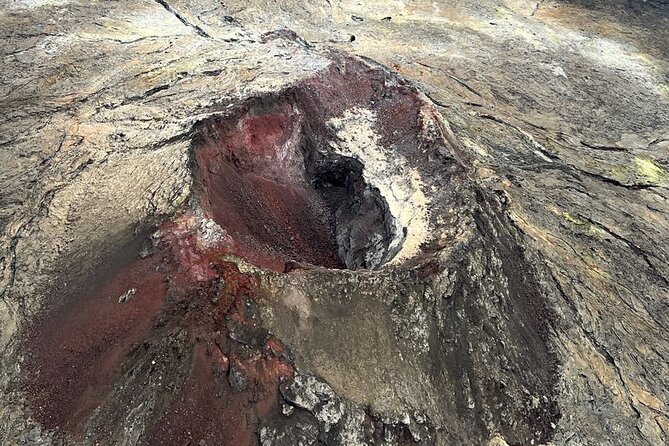
Reykjanes Peninsula is where Iceland’s geology shows off. It’s one of the most geologically active regions near Reykjavík, close enough to reach fast, but active enough to feel like you’re hovering over the planet’s engine room.
From the air, you don’t just see “a volcano.” You see how lava spreads, how new ground differs from older rock, and how tectonic forces shape the whole area. That is the real value of going by helicopter: you get spatial context fast. On the ground, it’s easy to look at a single crater and miss the bigger picture.
And because the ride is short, you get a big return on your time. You can fit this around other Reykjavík plans instead of dedicating half a day or more.
You can also read our reviews of more tours and experiences in Reykjavik.
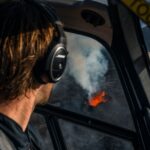
Reykjanes Peninsula: 20 minutes over an eruption zone you can’t ignore
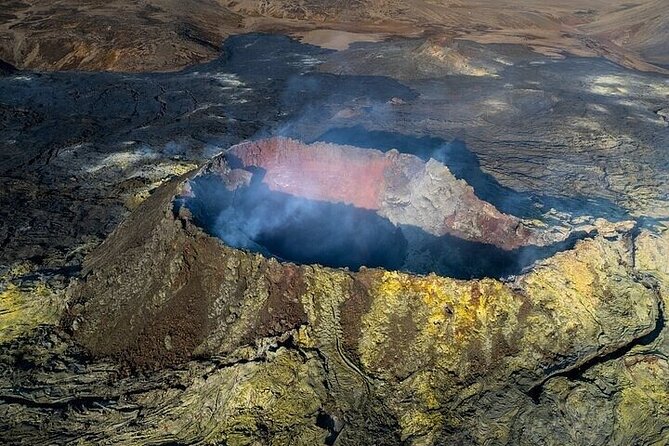
This is the core of the experience. You fly over the Reykjanes Peninsula, a volcanic belt with multiple eruptions since 2021. The area has seen an intense seismic background too, with over 50,000 earthquakes reported in recent years. Translation: this region is not a “static” postcard. It changes.
What you’ll likely notice from the helicopter windows:
- Patterns of lava fields and how they cut across the terrain
- Crater shapes and eruption sites from different time periods
- Fresh-looking ground versus older solidified flows (when visible from the air)
A key note for your expectations: activity can vary. Even when eruptions have paused, you can still see scars from earlier events, plus steaming craters or signs of recent volcanic impact. If your heart is set on seeing blazing fresh lava the exact day you go, you’re taking a small gamble. But you’re in Iceland, where the volcano controls the schedule.
Photos tip: choose angles that show both the eruption area and the surrounding terrain. From the air, the scale is part of the magic—your camera will struggle to capture it unless you include context in the frame.
Reykjavík’s aerial flyover: the city meets Arctic blue water
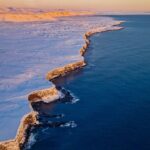
After the volcanic portion, you get the second act: Reykjavík from above. The city looks small from the ground, but from the air you can see the whole layout—colorful rooftops meeting the icy blues of Faxaflói Bay.
This part matters more than it sounds. Helicopter tours can be “all science, no fun.” Here, you get a real sense of where the city sits next to the wild volcanic world. You also get a smooth way to orient yourself for the rest of your trip—like getting a map view at the same time as you get pretty pictures.
If weather cooperates, the coastline contrast can be stunning: sharp human geometry against soft Arctic tones. Even if the volcano moment is muted that day, this city view can still feel like you paid for something special.
Your pilot’s eruption timeline is what makes the flight feel long
The helicopter window views are impressive. But the experience really clicks when your pilot explains what you’re looking at.
From what’s shared about this operator’s flights, pilots often connect visible features to eruption types and time frames—so the terrain stops being “random rocks” and starts becoming a timeline you can read. Names that have come up in recent flights include Laura, Oliver, Robert, and Aleksander. You’ll typically hear clear, calm guidance focused on helping everyone see.
Why this matters for you:
- You’ll understand why one crater looks different from another
- You’ll know what parts relate to recent versus older activity
- You’ll be able to aim your camera at the moments that matter most
Also, when the eruption is not actively flowing, pilots still tend to point out the evidence of what happened and when. That keeps the flight from feeling like a consolation prize. In other words: even when fresh lava isn’t happening, you can still learn and still photograph meaningful volcanic features.
Landing on cooled lava: when conditions allow, it turns into a memory
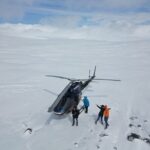
One of the biggest reasons people love this tour is that you may not just fly overhead. If conditions allow, you can land on the lava field and step onto the cooled ground near eruption terrain.
When that happens, it becomes a different kind of experience:
- You get close-up details you can’t see from the air
- You feel the scale in a more physical way
- You can change photo angles without fighting helicopter window glare
Some flights also include time near a crater area, where you can see how eruption sites have shaped the ground. There’s a big difference between seeing lava from 200 meters up and standing near it. Even a few minutes can change the whole story of the tour.
The trade-off is the same trade-off Iceland always brings: you’re at the mercy of wind and safety conditions. If landing isn’t possible, you still get the aerial part—plus the pilot’s explanation—so the trip can still be worthwhile. Just go in knowing landing is conditional, not guaranteed.

Price and value: what $592.82 really buys you
At $592.82 per person, this is not a “casual splurge.” You’re paying for:
- A helicopter ride (short duration, but very high cost per minute)
- Fuel surcharge included in the listed price
- A small group size (max 5)
- Pilot interpretation tied to real volcanic terrain
What’s not included: food and drinks, and there’s no hotel pick-up/drop-off. That’s normal for helicopter operators, but it does affect your total cost and planning. You’ll want to build a simple plan for how you’ll get to the meeting point on time.
Is it good value? If you’re the type of person who loves photography, geology, or just wants a once-in-a-while view that feels truly different, it can be money well spent. You’re not just paying for a ride; you’re paying for proximity to an active volcanic region and a pilot who helps you make sense of it.
If you’re on a tight schedule or you need a guarantee of landing on lava, you should weigh the cost against the weather risk. The good news: the operator structure is designed around weather realities, so you’re not left hanging in a messy way.
Weather control in Iceland: plan like your flight is a guest
Helicopters don’t do well with bad weather, and volcanic areas add extra caution because wind and safety margins matter. This tour requires good weather, and if it can’t fly, it can be canceled or moved to another time.
What I’d tell you to do with this information:
- Keep this closer to the beginning of your Reykjavík days, not buried on the last afternoon
- Build in flexibility for a reschedule
- Be ready for the idea that you might not see fresh lava the way you pictured it
That flexibility is part of the deal. Iceland is unpredictable. The best approach is to treat this as a high-priority option, but not a fragile promise.
Meeting point, timing, and what to bring (without overthinking it)
You meet at Glacier HeliACE FBO Reykjavik, Nauthólsvegur 101, 105 Reykjavík, Iceland. The tour starts and ends back at the same spot. It’s also noted as near public transportation, which is helpful if you’re not renting a car.
You’ll get a mobile ticket, and the tour is offered in English. Total time is about 35 to 45 minutes, so plan on a short, punchy experience rather than a long outing.
Two practical things:
- Weight limit: Total weight per passenger is listed as 243 lbs. If you’re close to that limit, check before you book.
- Bring a camera mindset, not a hiking mindset. This is a flight-first experience. Even when landing happens, it’s not described like a long trek.
If you’re nervous about helicopters, you’re not alone. The ride is short, and pilots are used to making sure everyone has a good view and feels steady. Wear something warm and secure—Reykjavík weather can turn quickly.
Who should book this, and who should skip it
Book it if:
- You want volcano power plus city views in one hit
- You’re a photographer or a natural-world person who likes understanding what you’re seeing
- You can handle weather uncertainty and keep your schedule flexible
Skip or reconsider if:
- You need a guaranteed landing on lava or guaranteed active lava flows
- You dislike short, weather-dependent experiences
- You’re expecting a full day of touring with ground time and lots of stops
This tour works especially well for first-time Reykjavík visitors who want a big “wow” that still teaches you something real.
Should you book this Reykjavík volcanic helicopter tour?
If you can afford it and you can be flexible with timing, I think it’s a strong pick. The combination of Reykjanes volcanic area flying, city aerial views, and pilot-led explanations makes it feel like more than just sightseeing.
Your main risk is not the operator—it’s Iceland weather and eruption timing. If fresh lava is your only acceptable outcome, you might leave disappointed. If, instead, you’re open to seeing eruption terrain, craters, lava fields, and a pilot who helps you read the scene, this is the kind of tour that can become a centerpiece of your trip.
FAQ
How long is the Iceland Volcanic Eruption Area Helicopter Tour from Reykjavík?
The flight time is about 35 to 45 minutes.
Where does the tour fly?
You’ll fly over the Reykjanes Peninsula volcanic area and also get aerial views of Reykjavík and Faxaflói Bay.
What is included in the tour price?
It includes the helicopter tour of the new volcanic area in Iceland and a fuel surcharge.
Is food included?
No. Food and drinks are not included.
Where is the meeting point?
You meet at Glacier HeliACE FBO Reykjavik, Nauthólsvegur 101, 105 Reykjavík, Iceland, and the tour ends back at the same meeting point.
What group size and weight limit should I expect?
The maximum group size is 5 travelers, and the total weight per passenger is listed as 243 lbs.
What happens if the weather is bad?
This experience requires good weather. If it’s canceled due to poor weather, you’ll be offered a different date or a full refund.