REVIEW · MAUI
Complete Island 60-Minute Helicopter Tour
Book on Viator →Operated by Air Maui Helicopter Tours · Bookable on Viator
Maui from the air feels like a cheat code. This 60-minute full-island helicopter tour gives you huge Maui views fast, and you get commentary through your headset from a pilot who also guides the flight, sometimes including pilots like Kirk, Vince, and Drew. I also like that the cabin is air-conditioned with comfortable leather seats, so the experience feels more like a real tour than a bumpy thrill ride.
One thing to plan around: the route and what you see can shift with conditions, since flights are weather-dependent, and your photo results depend a lot on seat position and window reflections.
In This Review
- Key things to know before you go
- Leaving Kahului with a small-group, big-view mission
- East Maui: sugar fields, Hana coast, and waterfall country from above
- Haleakala area: the crater views and why clouds can change the day
- West Maui Mountains: the Wall of Tears and sacred ridgelines from the sky
- Molokai and the 4,000-foot cliffs: another island edge you can’t get by car
- Seats, windows, and how to actually get good photos
- The pilot-guide narration: the difference between flying and touring
- Timing on Maui: why this tour is great early in your trip
- Price and value: is $443.34 for one hour actually worth it?
- Who should book this, and who should think twice
- Should you book the Complete Island Helicopter Tour?
- FAQ
- How long is the helicopter flight?
- Where does the tour start?
- Is hotel pickup or drop-off included?
- What’s included, and is a flight recording available?
- Are there restrictions on what you can bring?
- What happens if weather affects the flight or if I need to cancel?
Key things to know before you go
- A full-island circuit in one hour: East Maui, West Maui, inside the Haleakala area, and views out toward Molokai.
- Pilot narration through headsets: you hear what you’re seeing as you fly, not after the fact.
- Small shared cabin: up to 6 passengers, so you’ll feel the aircraft is intimate even though it’s not private.
- Window-seat matters: dark clothing helps cut glare, and rear-seat photos can look distorted.
- Molokai and winter whale chances: you might spot humpback whales in winter from the sky.
- Volcanic crater and Wall of Tears views: this is one of the fastest ways to understand Maui’s extreme terrain.
Leaving Kahului with a small-group, big-view mission
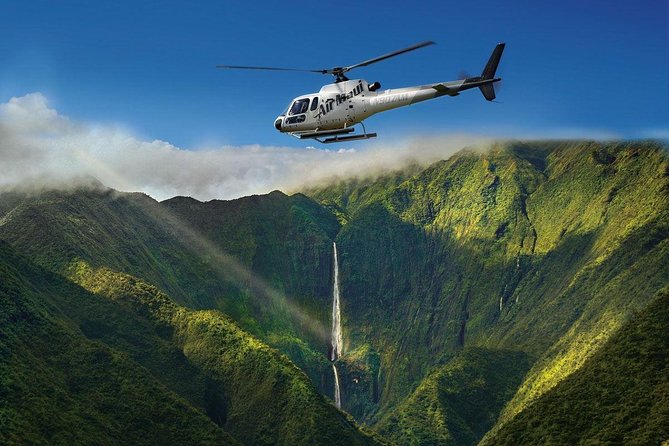
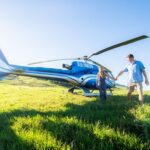
Your tour kicks off at Kahului Heliport (108 Lelepio Pl). The flight itself is about an hour, and it’s run in a small shared cabin that holds a pilot and up to 6 passengers. That small size matters: you’re not stuck staring at the back of people’s heads, and you get fewer “noise” moments compared with bigger aircraft.
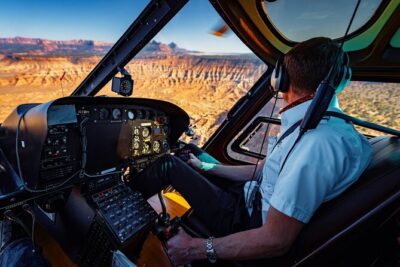
Inside, you’re in an air-conditioned helicopter with comfortable leather seats and forward-facing seating. Once you’re airborne, you listen through your headset to stereo music plus narration from the pilot-guide. This is one of those details that makes the whole flight feel organized instead of chaotic.
A few practical rules can affect your comfort. No bags are allowed on board, including purses, fanny packs, and backpacks. If you’re worried about where to put things, plan on leaving them with staff at the desk while you fly. Parking at the heliport also needs a QR code payment (credit card only), so don’t assume it’s cash-only or automatic.
You can also read our reviews of more tours and experiences in Maui.


East Maui: sugar fields, Hana coast, and waterfall country from above
The first big payoff is the East Maui section. Right after takeoff, you’re flying over sugar fields with wide-open sightlines. Then the route typically swings toward the Hana side, including aerial views of the Hana coast and the Road to Hana area.
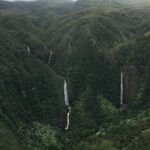
From the ground, Hana can feel like a long drive with scenic pull-offs. From the air, it becomes something else: a connected web of coastline, ridges, and water that you can actually understand as one system. You also get the chance to spot waterfalls and pools you’d never notice from a car window, mainly because the helicopter lets you see down into valleys and up along slopes without stopping every few minutes.
This is the part of the tour that often makes people say they got more Maui variety than they expected. You’re trading “one viewpoint at a time” for “everything shows up in one arc.”
Haleakala area: the crater views and why clouds can change the day
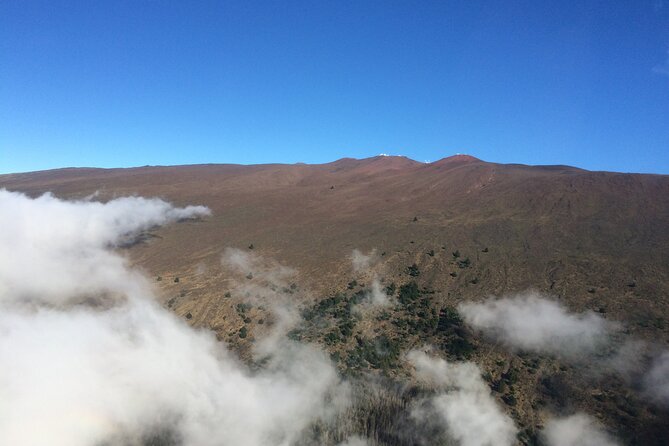
Haleakala is the star for a reason: it’s where Maui looks most otherworldly. You fly over Haleakala’s crater area, including views toward the inside of the crater and high volcanic terrain that can look dramatically different than the coast.
This is also where the day can shift. Even with a planned route, pilots may need to adjust based on weather and visibility. Cloud cover can change how much you see, and in some cases you may get rerouted. That doesn’t mean the flight is a loss. It usually means the pilot is protecting the flight path and making the most of the conditions, even if you don’t get every exact angle you hoped for.
If you’re booking for one big photo moment, keep your expectations flexible. The upside is that you’re not only counting on Haleakala. You’ll still have West Maui ridges, coastline angles, and the waterfall zones that keep the flight compelling even when one segment is muted.
West Maui Mountains: the Wall of Tears and sacred ridgelines from the sky
When the flight turns toward West Maui, you start seeing the island’s more rugged side. You’re flying above West Maui Mountain ridges, and you get narration about geology and local lore tied to those sacred, forested ridgelines.
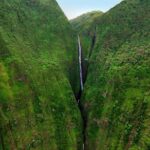
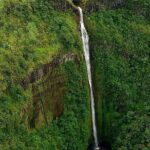
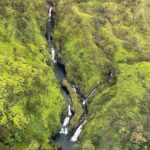
Then comes one of the tour’s most talked-about moments: the Wall of Tears. From the helicopter, it’s all about perspective. Instead of seeing a waterfall in isolation from a roadside turnout, you’re looking at a whole wall of falls dropping over the terrain. The contrast is intense: you can watch water pour across steep drops as if the mountain is stitched with multiple stories at once.
If you’re the type of person who likes to understand how a place works (not just what it looks like), this section delivers. The pilot’s commentary helps connect what you see—water channels, ridge lines, and the way valleys cut the island.
Molokai and the 4,000-foot cliffs: another island edge you can’t get by car
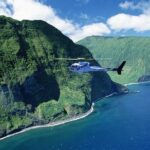
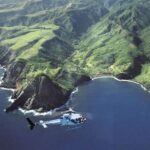
A huge reason this tour feels like more than a single-island outing is the view toward Molokai. From the air, you can look across the water to the neighboring island and spot the legendary sea cliffs that rise roughly 4,000 feet.
This section is also where you may get a winter bonus: in winter, it can be possible to spot humpback whales from the sky. You can’t guarantee it, but the fact that the tour includes this viewing angle is a real value add, especially if whales are on your Maui wish list.
Even if you don’t see whales, the Molokai coastline view gives you geographic context. Maui stops feeling like a single landmass and starts feeling like part of a chain, with weather and ocean shaping everything around it.

Seats, windows, and how to actually get good photos
Let’s talk photos in real terms, because this flight is all about the windows—and windows can be tricky.
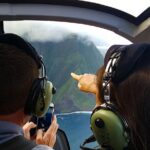
First, the company asks that passengers wear dark clothing. The goal is to reduce reflections in the windows. It’s a simple tip that can make your photos look cleaner, especially when your phone or camera catches glare from the cabin interior.
Second, seat position affects what you get. Front seats and window seats generally mean better angles. If you end up in the back, you may find the view is still good but harder to capture. One common complaint is that rear-seat photography can be less satisfying due to how the helicopter’s windows are shaped and how reflections show up. The pilot can help with viewpoint adjustments as much as safely possible, but physics still wins.
My advice: pick the seat you can get, but assume the best photos come from the most direct window angles. If you’re traveling with someone who really wants photos, plan to share the workload—one person focuses on shooting, the other watches the scenery live.
The pilot-guide narration: the difference between flying and touring
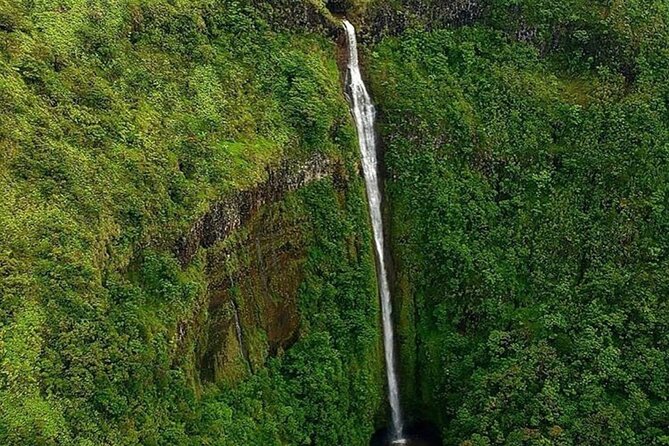
This tour isn’t just scenic flying. The pilot is also your guide, speaking through your headset the whole way. That matters because aerial views can feel random unless someone connects the dots.
In practice, the narration is usually paced so you don’t feel overloaded. You’ll hear what you’re looking at as the helicopter moves—what the terrain is, what the water is doing, and why certain areas matter. People often credit pilots like Kirk, Vince, and Drew for making the experience feel personable and entertaining, not robotic.
I also like that there’s stereo music running in the background along with the commentary. It helps the flight feel relaxed, especially if you’re a first-timer in a helicopter and your body is still adjusting to the idea of flying.
Timing on Maui: why this tour is great early in your trip
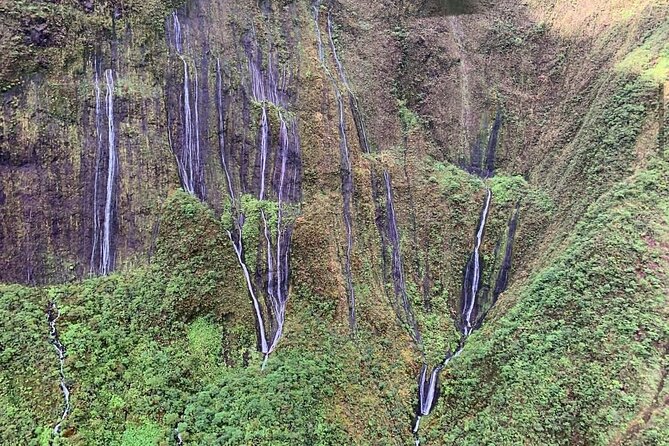
If you want the “get your bearings fast” effect, do this tour early in your Maui time. Seeing East Maui, West Maui, and the crater in one hour gives you a mental map that makes later drives and hikes feel easier to plan. You’ll start recognizing ridgelines and coastlines when you’re back on the road.
It also helps you decide what to prioritize. After seeing the Wall of Tears from the air, it’s easier to understand why some waterfall stops feel better than others. After seeing Molokai from above, you’ll know whether ocean views are your thing for the rest of the week.
One caution: don’t stack it too tightly with other time-critical plans, because weather can affect the route and sometimes the ability to fly.
Price and value: is $443.34 for one hour actually worth it?
At $443.34 per person for about an hour, this isn’t cheap. You’re paying for three things: helicopter time, a small cabin, and an expert narration format.
Is it value? For the right trip style, yes. If you’re trying to compress a lot of Maui into one day without driving hours between radically different terrain types, the helicopter can be a smart trade. You get East and West Maui, crater area views, and Molokai cliff angles that would take you days to stitch together on the ground.
Where the price can feel painful is if you’re sensitive to seat position, if you mainly want one exact photo angle, or if weather reduces what you see. Because flights depend on conditions, your actual visual highlight could be different than your original mental image.
Also factor in optional add-ons. You can purchase a souvenir USB of your footage, but it isn’t described as included in the standard ticket. So the base price is what you should plan around.
Bottom line: this is a premium Maui experience. It feels worth it when you treat it like a way to understand the island quickly, not like a guarantee of every single landmark photo.
Who should book this, and who should think twice
This tour fits best if you:
- Want a first-time helicopter experience with clear guidance and narration
- Like waterfalls, ridges, and big terrain views more than shopping and dining
- Are okay with weather possibly changing the exact route angles
It can be a less fun choice if:
- You’re very motion-sensitive. People recommend bringing motion-sickness help if you’re prone to motion issues. Even with smooth flying, helicopters can still feel different from cars.
- You have strict expectations for photo quality from a certain seat. Window glare and window shape can affect what you capture, especially from seats farther back.
- You’re traveling with a higher total body weight where the airline’s weight-and-balance rules may require purchasing an additional seat. They’re doing this for safety and comfort, so it’s best to check your situation early.
Should you book the Complete Island Helicopter Tour?
If Maui is your first big trip and you want the fastest route to understanding the island’s East-to-West variety, I’d book it. The combination of pilot-guided narration, small-group flight, and the mix of Hana coast, Haleakala area, West Maui waterfall country, and Molokai cliffs is exactly the kind of “time well spent” experience that stands out in a trip.
If your budget is tight, or if you need guaranteed visibility at one specific highlight, then you might prefer to spend that money on driving + hiking plans that you can control day by day. But if you’re flexible and you want big, unmatched aerial context, this is a strong pick.
FAQ
How long is the helicopter flight?
The flight is about 60 minutes. The experience starts at Kahului Heliport and returns back to the same meeting point.
Where does the tour start?
You meet at 108 Lelepio Pl, Kahului, HI 96732, USA. The tour ends back at the meeting point.
Is hotel pickup or drop-off included?
No. Hotel pickup and drop-off are not included.
What’s included, and is a flight recording available?
Included in the experience are the professional pilot-guide and the 60-minute flight of East and West Maui. A flight recording on a USB is not included, though you can purchase a souvenir USB after the flight.
Are there restrictions on what you can bring?
Yes. No bags are allowed on board, including purses, fanny packs, and backpacks. Also note that passengers should wear dark clothing to help reduce reflections for photos.
What happens if weather affects the flight or if I need to cancel?
Flights require good weather, so the route and what you see can vary. If the experience is canceled due to poor weather, you’ll be offered a different date or a full refund. You can cancel for a full refund up to 24 hours in advance.