REVIEW · MOUNT COOK
Mount Cook and The Glaciers 55-Minute Helicopter Flight
Book on Viator →Operated by Totally Tourism - The Helicopter Line · Bookable on Viator
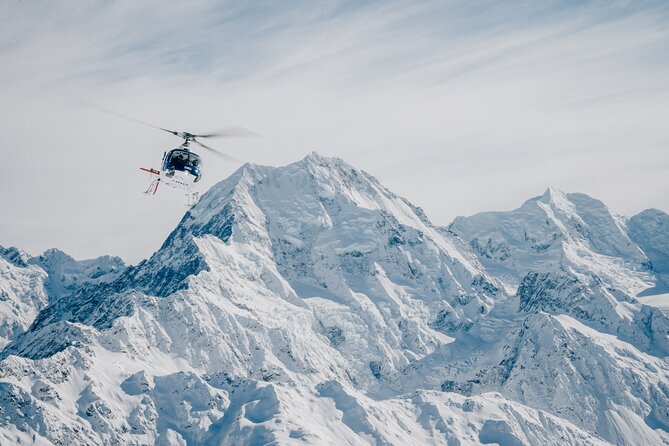
Aoraki and glaciers in one short flight. This 55-minute helicopter route gives you big-mountain scale without the hours of hiking, plus a rare alpine snow landing in pristine snowfields. You’ll fly over Aoraki/Mount Cook, trace the Tasman Glacier, and continue toward the West Coast for views of Franz Josef and Fox Glacier, with pilot commentary to help you read the terrain.
Two things I really like about this experience: first, the flight is built for maximum sightlines in limited time, so you’re seeing multiple glacial systems rather than just one viewpoint. Second, that snow landing turns the ride into something physical and memorable, not just window-shopping from the air. Small touches also matter here, like calm, safety-first staff and pilots who help with photos during the flight and on the ground.
One consideration: this is weather-dependent. Wind and low visibility can delay flights or shut them down, so it helps to have some buffer time in your South Island plan. Also, because it’s a helicopter cabin, you should expect cold temperatures and a short, compressed window to enjoy each landing and viewpoint.
In This Review
- Key points to know before you go
- Why This 55-Minute Helicopter Ride Packs So Much Mountain Into One Loop
- The Glentanner Start: What “Short and Small-Group” Feels Like in Practice
- Flying Over Aoraki/Mount Cook: The View That Makes the Effort Feel Worth It
- The Alpine Snow Landing: Why Getting Out Into the Snow Is the Real Treat
- Tasman Glacier: Seeing the Longest Glacier Like a River of Ice
- West Coast Glaciers in One Shot: Franz Josef and Fox Without the Long Detour
- Safety, Cabin Reality, and What to Expect From the Pilot
- Price and Value: Is $556.93 Worth It?
- Practical Tips I’d Use Before Your Flight
- Should You Book This Mount Cook and Glaciers Helicopter Flight?
- FAQ
- How long is the helicopter flight?
- What will I see during the flight?
- Is the tour affected by weather?
- Where does the flight depart from?
- What’s included in the price?
- What is not included?
- What is the maximum group size and weight limit?
Key points to know before you go
- A short flight with long-distance glacier coverage: Mt Cook, Tasman Glacier, Franz Josef, and Fox Glacier in one loop
- Alpine snow landing: you get out into the snow, not just a pass overhead
- Pilot commentary that helps you make sense of what you’re seeing while you fly
- Small-group feel: up to 6 travelers, so it’s less of a cattle-car situation
- Safety and comfort matter: seating is weight-based and the vibe stays rules-first
- Plan for weather: delays happen, and cancellations can mean rebooking options
Why This 55-Minute Helicopter Ride Packs So Much Mountain Into One Loop
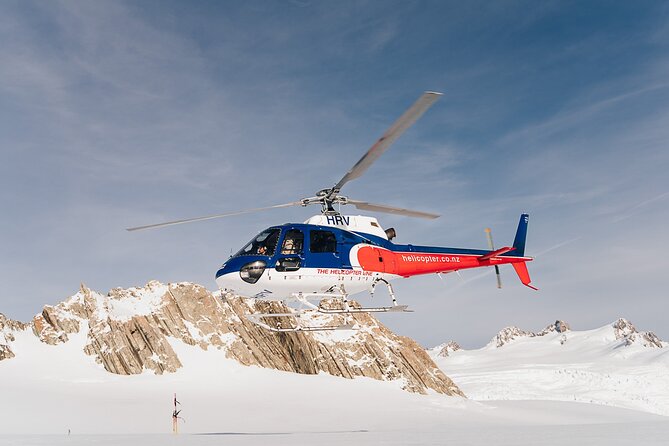
If you’re visiting New Zealand’s South Island and you feel torn between glaciers and time on the ground, this is the solution. You’re not choosing between Aoraki/Mount Cook and the West Coast—this flight stitches them together, while keeping your total time commitment to about 55 minutes of air time.
The core value is scale. From the sky, you can see how the Southern Alps stack up, how glaciers carve valleys, and where ice turns into meltwater-fed scenery. On land, it’s easy to underestimate distances between highlights. In the air, it clicks fast. You also avoid the grind that comes with big hikes at altitude and on uneven glacier terrain.
This is the kind of tour that works especially well if you’ve already done some walking around Mt Cook National Park but want a different perspective. It’s also a strong choice if you’re not up for technical glacier travel, because you’re getting a close view without needing mountaineering skills.
You can also read our reviews of more tours and experiences in Mount Cook.
The Glentanner Start: What “Short and Small-Group” Feels Like in Practice
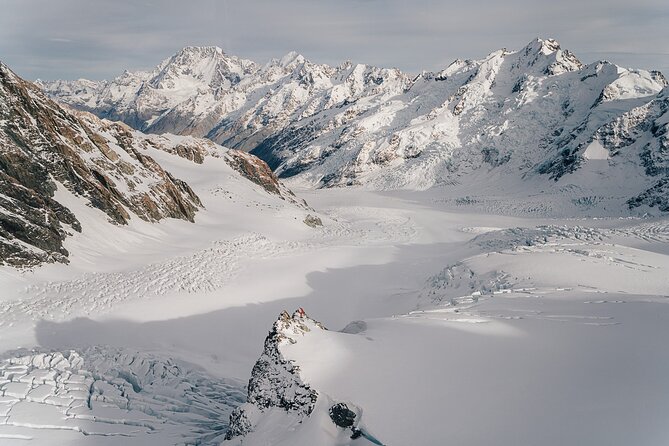
Your day begins at The Helicopter Line at Glentanner Park, State Highway 80, near Mount Cook. The experience is designed for quick transitions, and the whole operation runs like a tight system—because in mountain weather, speed and coordination matter.
There’s a maximum of 6 travelers. That matters more than you’d think. In a small group, your pilot can spend more time guiding you through what you’ll see and what to look for outside. You also feel less rushed when cameras come out, especially since you’ll be in and out of the cabin for the snow landing.
Comfort matters too. You’ll want warm layers and suitable footwear. Helicopters don’t care that you packed light—wind and cold are part of the deal near the Alps. And because the plane is a small space, it’s better to dress for the outdoors rather than the cabin.
Finally, a detail worth knowing: there’s a total weight limit per passenger of 364 lbs. Seating in the helicopter is arranged based on everyone’s weight inside the aircraft, which is part of how they keep the flight safe and balanced.
Flying Over Aoraki/Mount Cook: The View That Makes the Effort Feel Worth It
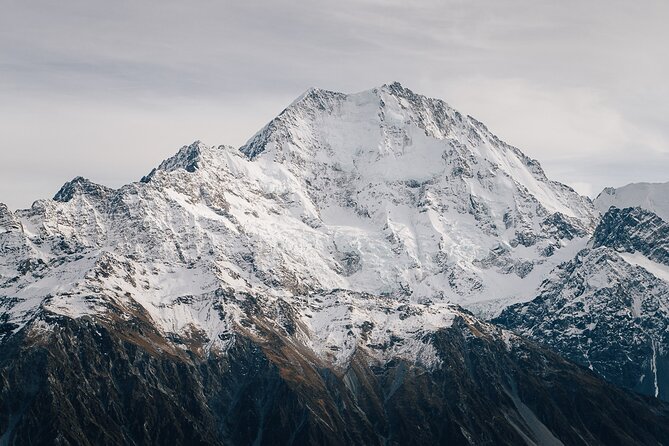
Once airborne, you’ll get a clear look at Mt Cook National Park—its snowfields, ridgelines, and the way glaciers sit inside the mountains. The route is set up so you can see the landmark peak, Aoraki/Mount Cook (New Zealand’s highest mountain), without the physical struggle required to reach similar vantage points on foot.
This is where the helicopter earns its keep. On the ground, you can spend a lot of time walking just to reach one good viewpoint. Here, you’re getting broad context quickly: how high the mountains rise, where ice gathers, and how the valleys channel wind and snow.
One of the most rewarding moments is stepping out onto fresh snow. In the mountain terrain around Mt Cook, you might even spot wildlife from the air or during the snow landing—some guests have reported seeing mountain goats moving across the slopes when conditions line up. Don’t count on it, but it’s a nice reminder that the Alps have more going on than scenery alone.
The Alpine Snow Landing: Why Getting Out Into the Snow Is the Real Treat
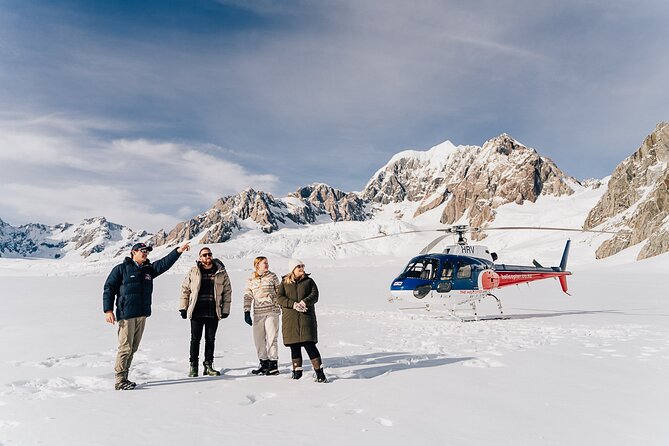
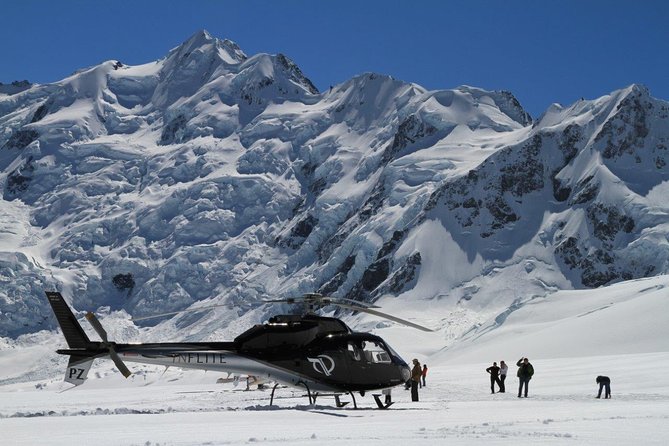
The headline feature people remember is the alpine snow landing. This is not a gimmick. It changes the whole emotional tone of the flight, because suddenly you’re not only watching the landscape—you’re standing in it.
Landing on snow means you’ll feel the environment more directly: cold air, wind shift, and the quiet of deep mountain snow around you. That 360-degree sense of space is the kind of thing that’s hard to replicate from a trail, especially if you’ve been busy that day or the weather is moving in.
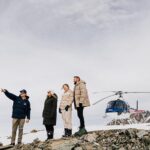
You should also expect a brief but real “walk-around” window. Bring your camera ready. In real life, the best photos happen when you slow down, turn your head, and let the light do the work—not when you sprint for the perfect angle.
Some guests have also noted that the pilot helps with photographs. That’s another reason this doesn’t feel like a rushed transport ride. You’re given the time to frame shots, not just wave at the mountains and move on.
Tasman Glacier: Seeing the Longest Glacier Like a River of Ice
After Mt Cook, the flight moves into glacier territory with a couple of highlights centered on the Tasman Glacier—including views of the glacier lake and then a longer look along the glacier itself.
The Tasman Glacier is visually impressive from any angle, but from above it becomes easier to understand as a system, not a single streak of ice. You can see how it stretches, how it interacts with the mountain basin, and how melt and ice structure shape the surrounding scene.
The glacier lake moment is especially good for perspective. When you look down at water tucked into an icy setting, it helps you grasp that glaciers aren’t static walls—they’re dynamic, connected to weather, seasons, and the flow of the region.
This is also a good stretch for listening to the pilot commentary. You’ll get useful context while you fly, which makes the views more than just pretty. It’s the difference between seeing ice and understanding what you’re actually seeing.
West Coast Glaciers in One Shot: Franz Josef and Fox Without the Long Detour
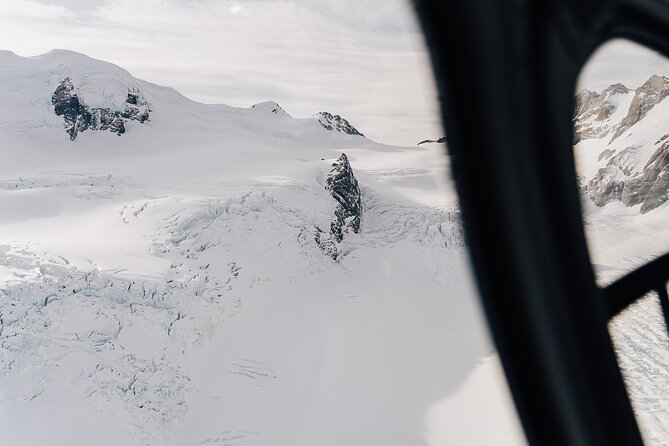
Then comes the West Coast, where the flight typically delivers views of Franz Josef Glacier and Fox Glacier. Seeing them from the air has a big advantage: you get both the glacier fronts and the larger valley shapes that feed them.
If you’re trying to do West Coast glacier country in a short time, this flight is a major time saver. Driving and walking can get you close, but it’s tough to see the glaciers as part of the entire mountain-to-valley system. From the helicopter, you’re getting a more complete mental map.
And because the flight wraps back around with uninterrupted views toward Aoraki/Mt Cook’s summit ridge, it feels like one continuous story rather than disconnected stops. That flow is part of why people call it unforgettable—your eyes never really get a chance to get bored.
Safety, Cabin Reality, and What to Expect From the Pilot
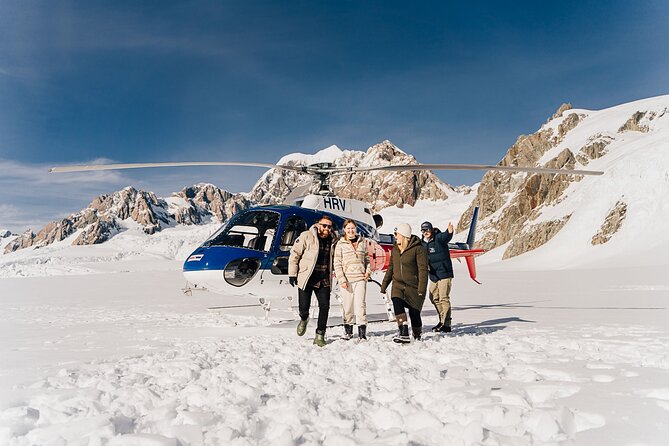
The operator emphasizes high standards of aviation safety, and the small-group setup supports that. Seating is weight-based inside the helicopter, which is one reason you may not sit exactly where you’d like. It’s normal here and part of how they manage balance and safety.
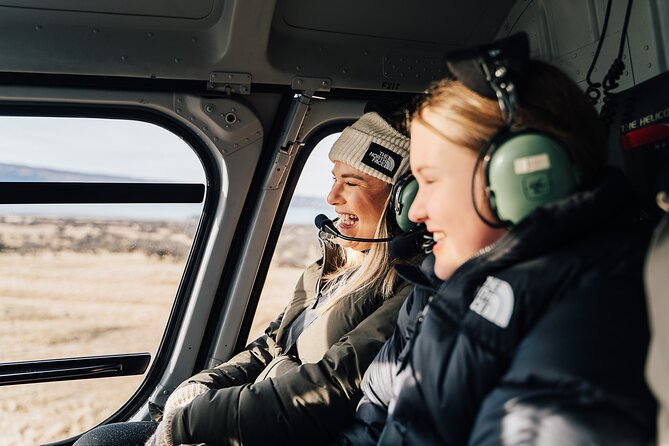
Communication is also different than on a bus. Microphones are turned off for safety and so pilots can stay aware of other operating signals. In practical terms, you’ll rely on your pilot’s commentary and what you can hear clearly in the cabin.
Pilot quality shows up fast. Several guests highlighted pilots who are calm, friendly, and able to explain what’s going on. Names that came up in feedback include Simon as a pilot, and Greg as a pilot/guide who helped passengers feel relaxed while flying over the mountains. If you get a guide or pilot with that teaching style, your flight will feel less like sightseeing and more like a guided read of the Alps.
Price and Value: Is $556.93 Worth It?
At $556.93 per person, this isn’t a budget activity. It’s priced like an experience, not a transport. The value comes from three things working together:
1) Multiple major landmarks in one short block of time. You’re seeing Aoraki/Mt Cook, the Tasman Glacier, and the West Coast glaciers in one flight. If you tried to stitch that together with ground viewing only, you’d need more travel time and often more hiking.
2) A snow landing you can physically stand in. A helicopter ride is impressive. A helicopter ride where you step out onto snow makes it feel different. It’s a memory-maker, not just a photo from above.
3) A small group and full pilot guidance. With a maximum of 6 travelers, you’re more likely to get a smoother experience, and that matters when you’re operating in cold weather and moving between air and snow landings.
Where the math can go sideways is weather. If wind or low visibility forces a delay or cancellation, the tour may change in length or get rescheduled. That’s not a deal-breaker, but it’s why I recommend building in flexibility—this is mountain weather country.
If your South Island itinerary is tight and you want the glaciers without the full-day grind, this tour can be a high-return splurge.
Practical Tips I’d Use Before Your Flight
- Dress for cold first. Even if you think you’re “fine,” add layers. Warm clothing is recommended for a reason.
- Wear suitable footwear. You’ll be on snow and stepping around on a landing.
- Keep your camera accessible. You’ll want it during flight moments and the snow landing.
- Don’t overpack the schedule the same day. Weather can shift timing.
- Check that you’re within the 364 lbs passenger weight limit, since it’s part of the safety setup.
If you’re doing this after hiking around Mt Cook, you’ll likely appreciate how the helicopter gives you a full sweep of what you just covered on foot. It’s a smart way to see the same region from a different brain angle—context from above.
Should You Book This Mount Cook and Glaciers Helicopter Flight?
Book it if you want maximum glacier and big-mountain payoff with minimal effort. It’s ideal for you if you’re short on time, not keen on long glacier treks, and you want the rare moment of stepping onto snow—while also getting views of Franz Josef and Fox Glacier without a multi-stop detour.
Skip or pause if you hate waiting around for weather, because mountain conditions can change quickly. And if you’re on a strict budget, this is clearly a premium splurge.
My bottom line: if you can handle the cost and you give yourself a little weather flexibility, this flight is one of the strongest ways to understand Aoraki and the glaciers as a connected system.
FAQ
How long is the helicopter flight?
The flight duration is about 55 minutes (approx.).
What will I see during the flight?
You’ll see Aoraki/Mount Cook, the Tasman Glacier, and views across to the West Coast, including Franz Josef Glacier and Fox Glacier.
Is the tour affected by weather?
Yes. The activity requires favourable weather. If it’s cancelled due to poor weather, you’ll be offered an alternative date or a full refund.
Where does the flight depart from?
The meeting point is The Helicopter Line, Mount Cook Glentanner Park, State Highway 80, Glentanner 7999, New Zealand. The tour ends back at the meeting point.
What’s included in the price?
Included are the scenic helicopter flight, a pilot guide, GST, and viewing Aoraki/Mount Cook, Tasman Glacier, and the West Coast glaciers, plus an alpine snow landing.
What is not included?
Items of a personal nature are not included.
What is the maximum group size and weight limit?
The tour has a maximum of 6 travelers. The total weight per passenger is listed as 364 lbs.