REVIEW · MOUNT COOK
Mount Cook: Mountains High 40-Minute Helicopter Flight
Book on Viator →Operated by Totally Tourism - The Helicopter Line · Bookable on Viator
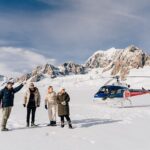
Snow landing on a glacier beats the bucket list. In a single loop from Glentanner Park, you’ll fly over Tasman Glacier and get big views of Aoraki/Mt Cook in the heart of the Southern Alps.
I love the snow landing itself. Stepping out onto the glacier ice gives you that rare, up-close sense of scale that photos just can’t fake. I also love the pilot commentary—it turns the scenery into something you can actually name, from Hochstetter Icefall to the wider Mackenzie Basin.
One thing to consider: the snow landing can depend on conditions, and communication may vary if weather forces a change—so go in expecting nature to run the schedule.
In This Review
- Key highlights worth booking for
- Glentanner Park to the ice: what the first minutes feel like
- Tasman Glacier and the snow landing moment that makes this tour different
- What to expect during the landing
- Hochstetter Icefall: the view that adds drama to the glacier story
- Burnett Mountains and the Mackenzie Basin: the scenery widens fast
- How the pilot’s commentary and headsets really affect the experience
- Duration and group size: the sweet spot for first-time helicopter flyers
- Weight limit and comfort basics
- Price and value: is $416.90 per person worth it?
- What to wear, bring, and do before you go
- Should you book Mountains High?
- FAQ
- How long is the helicopter flight?
- Is the snow landing included?
- Where does the tour start?
- How many people are in the helicopter?
- What should I wear?
- Is there a weight limit?
- What happens if weather cancels the flight?
Key highlights worth booking for
- A real glacier stop: a soft landing above Tasman Glacier, then time on the snow/ice for panoramic views
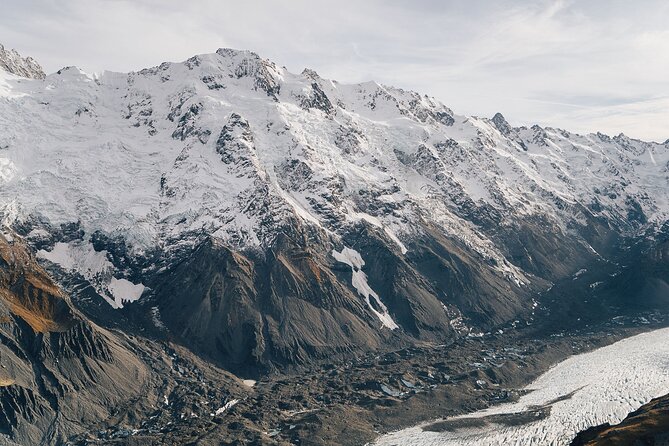
- Hochstetter Icefall views: see this dramatic ice feature from above on the way in
- Aoraki/Mt Cook up close: the peak towers 3,724 meters (12,217 ft) above sea level
- Burnett Mountains to Mackenzie Basin: the route quickly shifts from ice to wide-open country
- Small groups: open-plan cabin for up to six people, so you usually get strong sightlines
- Time-efficient thrill: about 40 minutes of air time, with the landing adding another short window outdoors
Glentanner Park to the ice: what the first minutes feel like
The experience starts at The Helicopter Line at Glentanner Park (Mount Cook area), off State Highway 80. Once you’re signed in, the tone is simple: get ready, bundle up, and trust the pilot. You’ll board a small open-plan helicopter built for viewing, not comfort theater.
As soon as you lift off, the scale hits. Roads vanish. Vegetation turns patchy. And then the ice starts to dominate your view, with Tasman Glacier stretching out like it belongs to another planet. This is why the tour works so well. It’s short enough that you don’t feel rushed, but fast enough that you feel the landscape change in real time.
You can also read our reviews of more tours and experiences in Mount Cook.
Tasman Glacier and the snow landing moment that makes this tour different
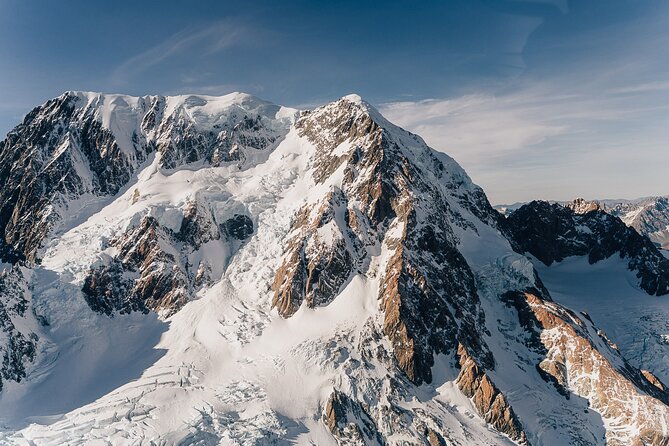
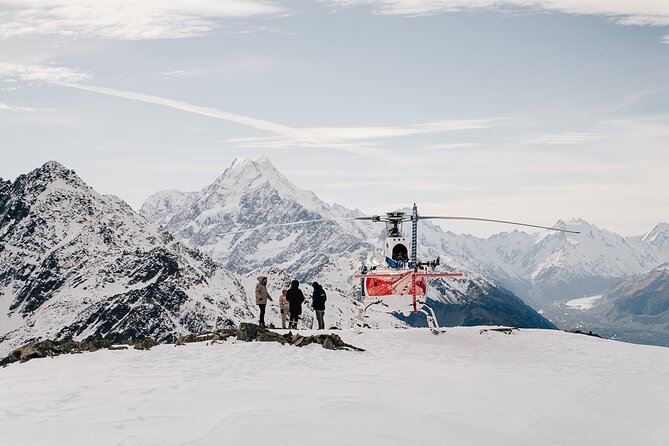
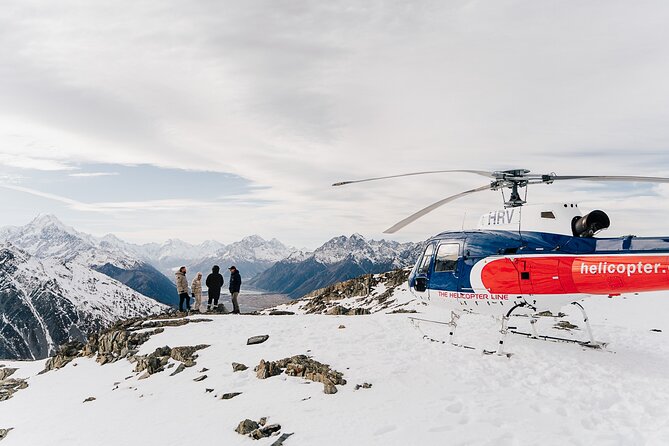
The headline here is the glacier landing above Tasman Glacier. You don’t just fly past it—you hover over the ice fields, then make a soft landing. From there, you step outside for a brief window (typically 5–10 minutes) where the views go from great to almost unreal.
Up top, the key payoff is perspective. Aoraki/Mt Cook doesn’t look like a mountain you visited. It looks like a centerpiece. You’re seeing the peak from a vantage point that’s impossible to recreate on foot, and close enough that you can understand why this glacier system draws constant attention from scientists and adventurers alike.
What to expect during the landing
- It’s outdoors and cold. Even when the day looks clear from the ground, glacier air has teeth.
- You’ll likely be standing or moving only briefly, but it’s enough time to take photos and look for depth cues (ice shadows, crevasse patterns, and the slope of the glacier surface).
- The landing is described as snow landing time, but conditions can affect what’s possible on any given day.
One practical tip: keep your camera or phone secured. The air and the snow/ice environment can make anything loose feel like a bigger deal than you’d like.
Hochstetter Icefall: the view that adds drama to the glacier story
Before you reach the main landing area, you’ll pass the Hochstetter Icefall near Aoraki/Mt Cook. This is where the flight becomes more than a scenic ride. From above, icefall looks like motion frozen mid-sentence—an obvious reminder that glaciers are active, not static.
Seeing Hochstetter from the air helps you “read” the glacier system faster. You can spot where ice is breaking, where it’s channeling, and how it connects to the broader Tasman Glacier. It’s the kind of landmark that makes a helicopter tour feel educational, not just thrilling.
And this is where the pilot commentary matters. When the pilot points out features clearly—especially named landmarks like Hochstetter Icefall—it turns the flight into a guided tour with context. Some pilots (including Marcus and Richard, as named on past flights) are known for explanations that make the terrain stick.
Burnett Mountains and the Mackenzie Basin: the scenery widens fast
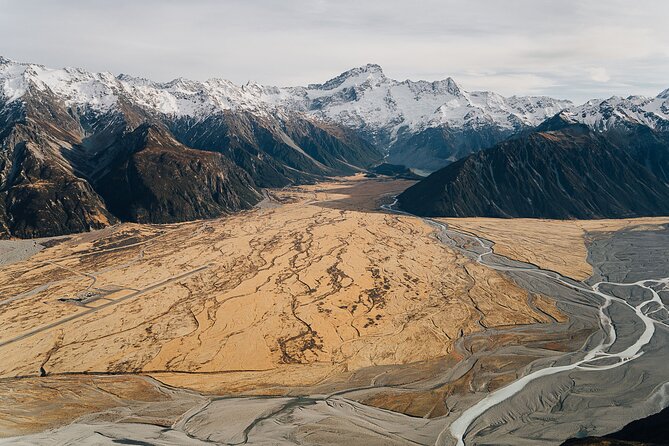
After the glacier stop, the helicopter shifts from the tight, icy world into something bigger. You’ll fly toward the Burnett Mountains, then look down on the Mackenzie Basin—a wide, rugged area with sparkling waterways feeding toward the native rainforests of the West Coast.
This part is valuable for a simple reason: you get contrast. In one trip, you see the Southern Alps in a way that connects to the rest of the South Island. The glaciers aren’t isolated showpieces. They sit upstream of valleys, rivers, and ecosystems.
If you like geography, this is one of the better ways to grasp the South Island fast:
- Ice and high relief up close
- Then a broader “map view” of basin country
- With the waterways acting like visual clues to where meltwater goes
How the pilot’s commentary and headsets really affect the experience
This tour includes a pilot guide throughout, and many people focus on how good the commentary is. Still, there’s one catch: the experience relies on headsets. On some flights, headset audio can be uneven or hard to hear, which can reduce how much you get out of the explanations.
Here’s how to protect your experience:
- Listen for the pilot to name what you’re seeing (peaks, ice features, basin features).
- If you’re struggling to hear, tell the crew right away so they can adjust.
- Plan to enjoy the views even if audio isn’t perfect. The scenery is the main event.
On a clear day, the aerial clarity can be excellent, and then the commentary becomes a bonus rather than a requirement.
Duration and group size: the sweet spot for first-time helicopter flyers
The total flight time is about 40 minutes. The snow landing itself adds another short chunk of time on the ground.
The helicopter cabin is open-plan and holds up to six passengers. That small number matters. In a larger aircraft, you can spend half the tour craning around strangers. Here, you’re typically close to a window and your sightlines feel direct.
If you’re new to helicopters, this setup is also comforting. It’s not a long, stressful slog. It’s a focused flight with clear turning points: glacier approach, landing, then basin views.
Weight limit and comfort basics
There’s a listed total weight limit of 331 lbs per passenger. If you’re near that threshold, it’s worth confirming details with the operator at booking.
For comfort, remember: high altitude + open cabin + cold landing equals wind-chill. Your clothing choices can make the difference between happy cold and miserable cold.
Price and value: is $416.90 per person worth it?
At $416.90 per person, this isn’t a budget activity. So you should judge it on value, not cost.
Here’s what you’re paying for, in plain terms:
- A small-aircraft aerial view of the Southern Alps
- A glacier landing experience (not just a flyover)
- Short total time in the air, which reduces weather risk compared with longer tours
- A named-landmark style of guiding, with commentary designed to help you understand what you’re looking at
If you only do one “big wow” in the Mount Cook area, this is a strong candidate. You’re getting a close-up Aoraki/Mt Cook view, Hochstetter Icefall context, and Mackenzie Basin contrast in one compact block.
But if you’re laser-focused on checking off only the glaciers you can name from the ground, this may feel pricey for what you get. The tour centers on specific highlights—especially Tasman Glacier and the Aoraki/Mt Cook area—rather than trying to satisfy every glacier comparison you might have seen elsewhere.
What to wear, bring, and do before you go
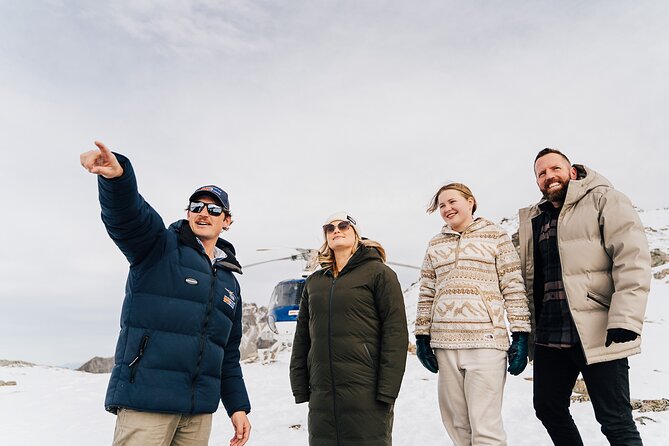
This is a cold-weather helicopter outing. The guidance is straightforward: wear warm clothing and suitable footwear.
My practical checklist:
- Layers you can breathe in while seated
- Warm hat and gloves
- Footwear with grip (even a short outdoor walk on snow/ice matters)
- Sunglasses or clear eyewear if it’s bright—glacier glare can be intense
- A small bag you can keep secure (with a camera strap)
Also, think about photo timing. The best shots usually come during:
- the glacier approach (when you can see the ice formations clearly)
- the landing moment (when you’re at eye level with the ice)
- the basin overview (when the land opens up under you)
Should you book Mountains High?
Book it if you want maximum wow in minimum time. You’ll get a glacier stop, Aoraki/Mt Cook from a rare angle, plus a guided sense of geography from Hochstetter Icefall to the Mackenzie Basin.
I’d hesitate if your trip is built around a very specific “guaranteed snow landing” expectation. Snow landings are tied to conditions, and the exact landing can shift. If this is a make-or-break moment (especially for kids), it’s smart to keep expectations flexible and be ready for an adjustment if weather or snow conditions don’t cooperate.
If you’re okay with that reality, this is the kind of Mount Cook experience that makes the rest of your South Island trip easier to understand. You come away with a mental map of where the ice sits in the bigger system of peaks, basins, and waterways.
FAQ
How long is the helicopter flight?
The flight time is about 40 minutes, with the snow landing part described as lasting roughly 5–10 minutes.
Is the snow landing included?
Yes. The experience includes a scenic helicopter flight with a snow landing above Tasman Glacier, and you step out to stand in the snow at the landing site. That said, snow landings can depend on conditions.
Where does the tour start?
Start location is The Helicopter Line, Mount Cook Glentanner Park, State Highway 80, Glentanner 7999, New Zealand.
How many people are in the helicopter?
This tour uses a helicopter with open-plan viewing for up to six passengers.
What should I wear?
Warm clothing and suitable footwear are recommended due to cold temperatures. It’s smart to dress in layers.
Is there a weight limit?
Yes. The total weight per passenger is listed as 331 lbs.
What happens if weather cancels the flight?
If the experience is canceled due to poor weather, you’ll be offered a different date or a full refund.