REVIEW · TOKYO
Mt. Fuji & Tokyo Helicopter Tour【90 mins】 : Close to Mt.Fuji!
Book on Viator →Operated by AIROS Skyview Tokyo Helicopter Tours (ヘリコプター遊覧飛行) · Bookable on Viator
Tokyo looks different at rotor speed. This helicopter tour turns familiar Tokyo sights into something you can actually understand from above, with a strong chance to see Mt. Fuji on clear days. I also like that the flight is built around big-name views like Tokyo Tower and the Yokohama shoreline, so you get variety instead of one long blur. The one catch is right in the fine print: the operator does not promise you’ll see Fuji, and they may adjust the plan if clouds move in.
This is a private setup for your group (up to three), and you’re in the air for about 90 minutes within an overall ~2-hour block. One more practical detail to know up front: photos at the Tokyo heliport site are banned due to security rules, though you can shoot from inside the helicopter and during flight.
In This Review
- Key Points to Know Before You Go
- Why A Helicopter Tour Makes Tokyo Feel Real
- Price, Group Size, and What the Timing Really Means
- Tokyo Heliport: Getting Oriented and Knowing the Photo Rules
- What You’ll See: Tokyo Tower to the Yokohama Skyline
- Lake Ashinoko: The View That Changes the Mood
- Enoshima Island: Coastline Vibes Without the Long Drive
- Mt. Fuji: The Bonus View That Isn’t Guaranteed
- Private Means Personal: What Up to 3 People Really Changes
- Weather, Refunds, and How to Give Yourself the Best Shot
- Who Should Book This (and Who Should Skip It)
- The Little Details That Can Make or Break Your Day
- Should You Book This Mt. Fuji & Tokyo Helicopter Tour?
Key Points to Know Before You Go
- Private charter for up to three: split the cost and keep it personal
- Flight time ~1h30: enough air time to enjoy multiple Tokyo-area views
- Mt. Fuji is weather-dependent: no guarantee, but the route can change
- Tokyo Heliport in Shinkiba: clear starting point, near public transportation
- Photo restrictions on-site: no pictures at the heliport area, shooting is allowed in-flight
- Weight limits matter: 110kg per passenger (243 lbs listed)
Why A Helicopter Tour Makes Tokyo Feel Real
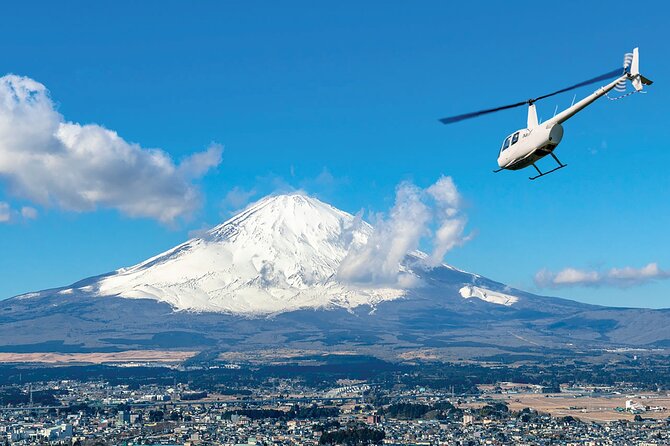
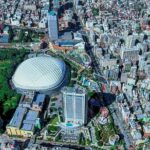
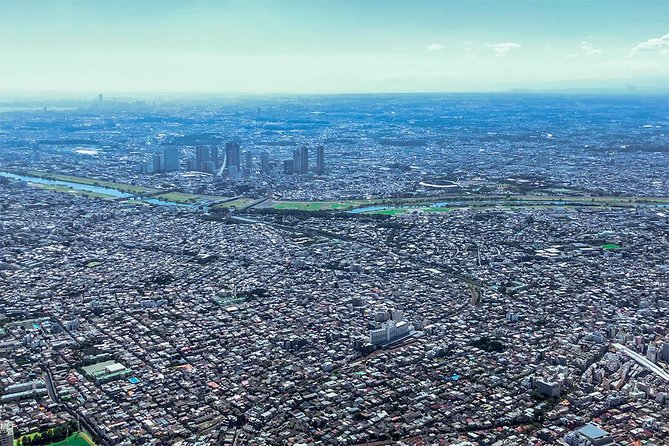
From the street, Tokyo can feel like information overload. From the air, it suddenly turns into shapes, distance, and pattern. I love that this kind of flight gives you a mental map fast, because you can see how Tokyo Tower relates to bays, islands, and the bigger region around it.
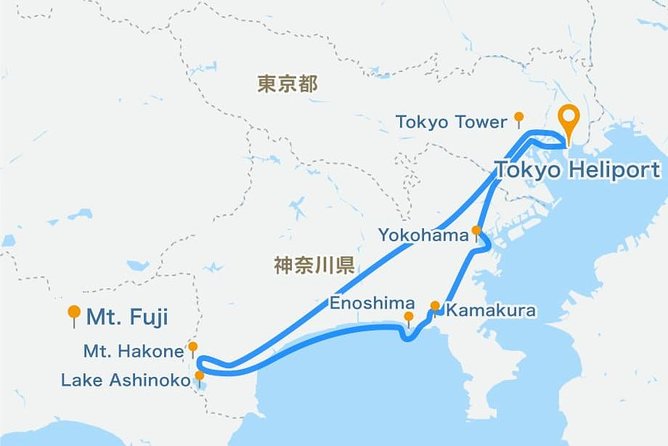
On top of that, this isn’t just a city-circuit. The itinerary is designed to include Tokyo Tower, Lake Ashinoko, Enoshima Island, and Yokohama Landmark Tower, so the “Tokyo from above” effect comes with a second layer: water, coastline, and the possibility of snow-capped peaks.
The main thing to plan around is weather. Cloud cover can erase the mountain, and the operator explicitly says Fuji is not guaranteed. If your goal is 100% Fuji confirmation, you need a Plan B mindset.
You can also read our reviews of more tours and experiences in Tokyo.
Price, Group Size, and What the Timing Really Means
The price listed is $3,458.71 per group, up to 3 people. That’s steep, sure, but private helicopter time isn’t meant to be a budget activity. What makes it feel more reasonable is the group cap: the cost scales with the number of seats you fill.
You also get a meaningful chunk of time in the air. The total block is about 2 hours, with flight time around 1 hour 30 minutes. In plain terms: this is not a quick “tour-and-snap” flight. You’ll have time to look out, absorb, and actually notice the differences between Tokyo’s dense areas and the calmer water-and-coast scenes.
If you’re traveling solo, it will likely feel like luxury pricing. If you’re traveling as two or three, it’s closer to a “one big splurge day” tradeoff, especially when you compare it to multiple paid attractions that compete for limited time.
Tokyo Heliport: Getting Oriented and Knowing the Photo Rules
Your departure and return are at Tokyo Heliport, located at 4-chōme-7-25 Shinkiba, Koto City, Tokyo 136-0082. The location is described as near public transportation, which matters in a city where commuting can eat up energy.
One rule you should take seriously: photography and picture-taking are banned at the heliport site as part of Tokyo’s terrorism countermeasure. This can surprise people who assume they’ll snap a few photos before getting on board. The good news is that the operator notes you can take pictures inside the helicopter and during flight.
So my practical advice is simple: arrive ready to go, and save your camera work for the air. If you’re hoping for commemorative photos in a specific spot on the ground, the operator points you toward other options (like Funabashi heliport and a night course from Yokohama Nishi heliport), where shooting may be possible in ways this Tokyo departure site restricts.
What You’ll See: Tokyo Tower to the Yokohama Skyline
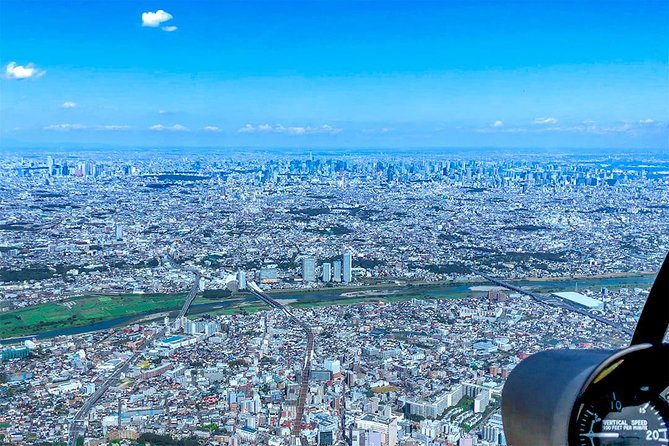
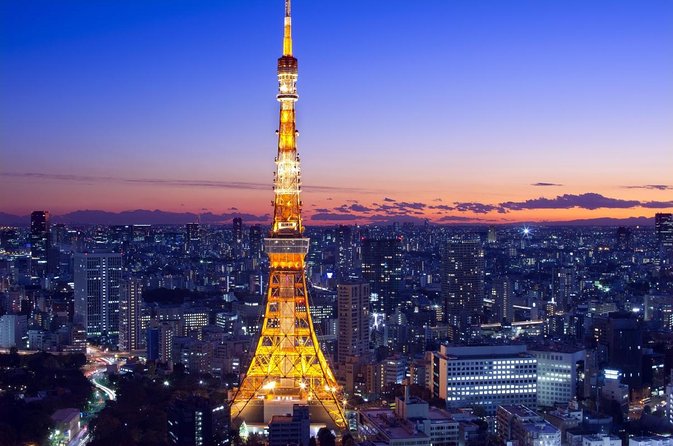
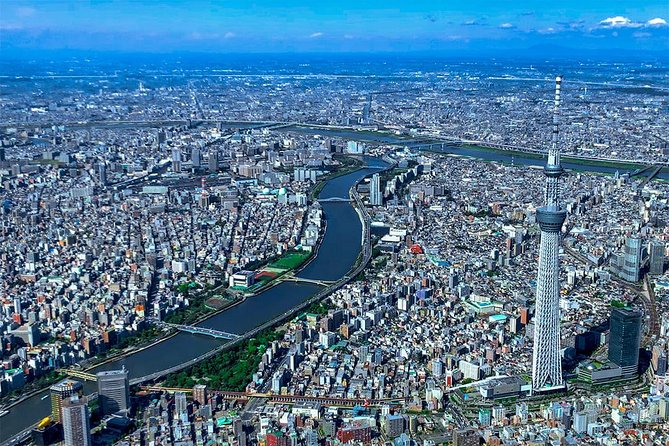
Even if you know Tokyo well, Tokyo Tower looks different from above. In the air, it’s not just a tower; it becomes a landmark in a larger geometry—streets radiating outward, waterfront changing the texture of the city, and neighborhoods lining up in layers.
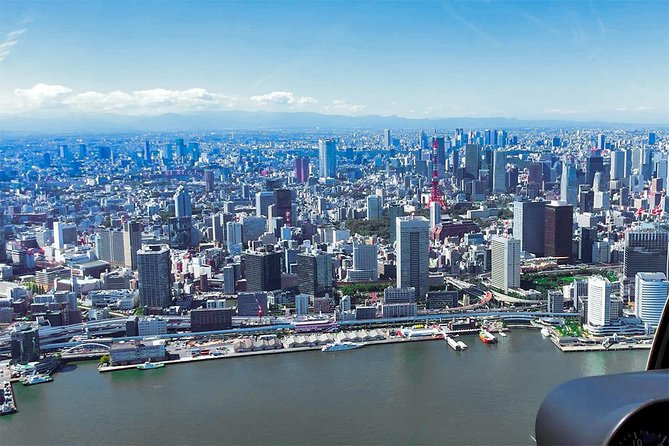
The tour also includes Yokohama Landmark Tower, which helps break the “all Tokyo, all the time” feeling. Yokohama’s position relative to the bay gives you a cleaner sense of coast versus core city density. If you like photos where you can tell where the water starts, this part is where that clicks.
The value here is not memorizing names. It’s getting the spatial understanding. Once you’ve seen the shoreline and towers from above, your next day on the ground is easier because you stop guessing distances.
Lake Ashinoko: The View That Changes the Mood
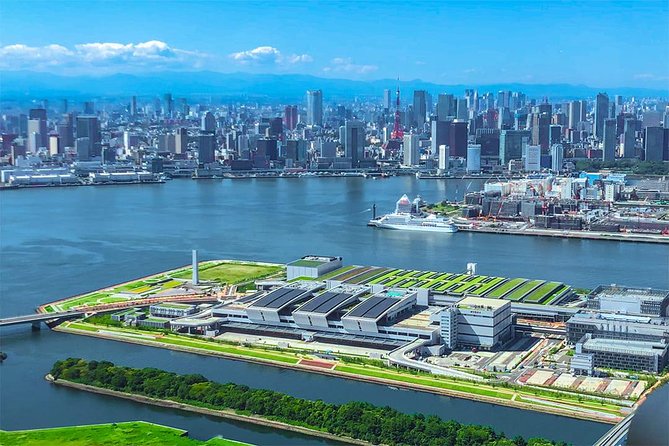
When your flight route reaches Lake Ashinoko, the mood shifts. Cities can blur into grids from above, but water adds contrast. You’ll likely notice the shoreline curve, how the lake sits relative to surrounding terrain, and how much air the region has compared with central Tokyo.
This is also where the “Fuji bonus” starts to feel plausible, because Lake Ashinoko is one of the classic areas people associate with the mountain. Even when clouds don’t fully cooperate, seeing the lake from the sky is still a different kind of payoff than another city snapshot.
A small drawback to keep in mind: water reflections and cloud layers can affect what you can see through the windows. If it’s bright or hazy, you may get glare depending on your seat angle and the time of day. That’s not a reason not to go; it’s just good to know what can interfere with sharp photos.
Enoshima Island: Coastline Vibes Without the Long Drive
Enoshima Island adds variety in a way that’s hard to replicate on land in a short time. From above, island shapes and coastal edges are easier to interpret than from the train window or a long roadway approach.
This segment also helps you understand the bay-side geography around Tokyo and Yokohama. You get a quick lesson in how the coastline sits relative to major city nodes. For sightseeing planning later, it’s useful because it makes those place names feel connected instead of random on a map.
If you’re the kind of person who loves “I know where I am now” moments, the Enoshima portion is a strong candidate for that feeling. It’s visual education, delivered fast.
Mt. Fuji: The Bonus View That Isn’t Guaranteed
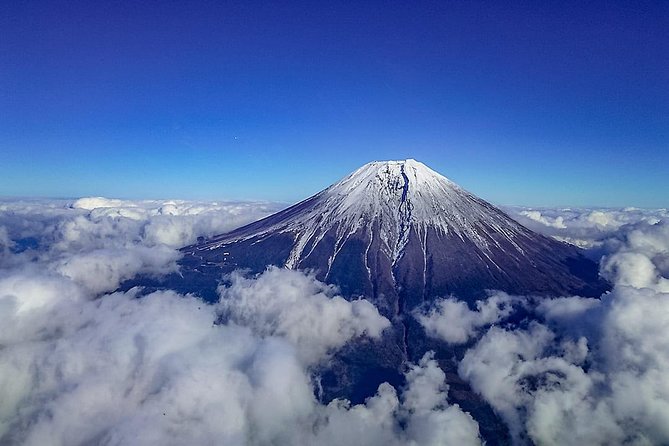
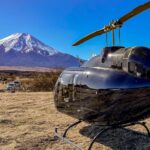
Let’s address the big one directly. This tour does not promise that you’ll see Mount Fuji. The operator states that if conditions are cloudy or Fuji can’t be seen, they can change the course. If the tour can’t be carried out as planned due to weather or flight operation issues, you’ll receive a full refund or an alternative date.
That lack of a promise is also part of the honesty of the product. A true Fuji view depends on weather. If you book expecting a guaranteed mountain photo, you’ll be disappointed even if the flight is still gorgeous.
My recommendation is to treat Fuji as the extra prize. If you get it, it’s huge. If you don’t, you still get a rare aerial view of Tokyo, Tokyo Bay area, Lake Ashinoko, Enoshima, and Yokohama—from one controlled experience rather than stitching together multiple day trips.
Private Means Personal: What Up to 3 People Really Changes
This is set up as a private tour/activity, meaning only your group participates. With a maximum of 3 people per booking, you’re not sharing the experience with strangers the way a shared helicopter option would force you to.
That matters for two reasons. First, it makes the ride feel more relaxed when you’re talking quietly and focusing on the views. Second, it gives your group more flexibility in the way you plan your day around departure timing, since the flight is tied to your booking rather than a huge schedule of mixed passengers.
There’s also a weight constraint you should understand before you assume you’re fine. The tour lists a total weight per passenger of 243 lbs and a weight limit of 110kg per passenger (190kg / flight also appears as a stated limit). If anyone in your group is near that ceiling, double-check before booking.
Weather, Refunds, and How to Give Yourself the Best Shot
The operator notes that if you want to fly within 5 days, you should check the weather forecast because the tour may be cancelled due to bad weather. That’s standard in helicopter operations, but it’s worth treating as a real planning factor, not background noise.
Here’s how I’d handle it in your trip plan:
- If you’re only in Tokyo for a short window, pick the best available weather day you can, but keep expectations realistic.
- If you have a bit more flexibility, consider building in buffer time so a reschedule doesn’t wreck the rest of your itinerary.
- Even if Fuji visibility fails, you can still end up with excellent aerial sightseeing, especially around the coast and lake areas.
And remember the refund logic: you can get a full refund or change to an alternative date when the tour can’t be conducted due to inclement weather or aircraft/flight operation disruptions. If Fuji is hidden and the route changes, the operator states that differences are refunded, while accommodation and transportation costs are not refunded. In other words: the flight product is protected, but your broader travel expenses are still on you.
Who Should Book This (and Who Should Skip It)
This helicopter tour is a fit if you:
- Want a once-in-a-lifetime, high-impact view without spending an entire day on logistics
- Like seeing Tokyo in context—tower to coastline to lake—in a single ride
- Travel as a couple or small group (up to three) so you can split the group cost
- Are comfortable treating Mt. Fuji as a possibility rather than a contract
It’s less ideal if:
- You’re emotionally attached to guaranteed Fuji. The operator is clear that visibility isn’t assured.
- You’re working with tight time and cannot adjust if weather cancels the flight.
- You need photo-friendly ground access at the Tokyo heliport site. On-site photography is banned, and you’ll have to shift that expectation to in-flight shots.
One more health-related note: people who have gone diving in the past 24 hours cannot participate. If that applies, plan your water activities accordingly.
The Little Details That Can Make or Break Your Day
A few practical things can keep this smooth.
First, use the provided mobile ticket setup. That’s convenient when you’re moving around Tokyo and don’t want paper clutter.
Second, set expectations for confirmation timing. You receive confirmation within 48 hours of booking, subject to availability. So don’t assume instant certainty far in advance.
Third, plan for the reality of security rules at the departure site. The operator specifically mentions that the heliport departure area is part of a terrorism countermeasure, and photography is banned there. It’s not complicated, but it’s easy to forget until you arrive with your phone already out.
Finally, give your eyes a few minutes when you settle in. The best views often come after your first scan, when you stop searching and start noticing patterns: shoreline arcs, bay edges, and how far the city stretches before it gives way to water.
Should You Book This Mt. Fuji & Tokyo Helicopter Tour?
If you’re deciding between “seeing Tokyo the usual way” and “getting a new mental map of the region from the sky,” I think this is an easy yes. The big strengths are the private group format, the longer flight time (about 90 minutes in the air), and a route that mixes Tokyo, Yokohama, lake scenery, and the possibility of snow-capped Fuji.
I’d especially recommend it if your group is small (two or three people), because private helicopter costs hit harder solo. Also, if you’re the kind of person who likes a strong sense of place, this tour can do that quickly, turning distant map points into connected geography.
Book it with one mental adjustment: Fuji is the prize, not the guarantee. Do that, and you’re far more likely to walk away satisfied even if clouds roll in.