REVIEW · MAUI
Deluxe Helicopter Tour of Molokai and Maui
Book on Viator →Operated by Maverick Helicopters Maui · Bookable on Viator
This is the Hawaii version of cheating time. In about 55 minutes, you’ll fly from Kahului up and over Molokai’s dramatic coastlines and back across Maui, with panoramic windows that make the view feel immediate. I especially love how the route strings together waterfalls, valleys, and ocean channels in one smooth loop—plus the two-island payoff for your time.
The main consideration is practical: helicopter seating is assigned after check-in based on weight and balance, and Maverick Helicopters notes there’s no guarantee you’ll sit next to your group. Also, if you’re over 275 lbs, you’ll need to purchase an additional seat to meet weight limits.
In This Review
- Key Points That Make This Tour Worth It
- Two Islands in 55 Minutes: What This Molokai–Maui Helicopter Route Gives You
- Kahului Check-In and the Photo ID Rule You Must Not Forget
- Molokai North Shore: Tall Sea Cliffs, Kahiwa Falls, and Halawa Valley
- The Pailolo Channel Sweep and Molokai Fish Ponds by the South Coast
- Back Over Maui: Iao Valley State Park and the West Maui Mountains
- Honokohau Falls and the Haleakala Glance Before Landing
- Comfort, Motion Sickness, and Seat Reality in the EC130
- Price and Value at About $375 a Person
- Who This Tour Fits Best (and Who Might Rethink It)
- Should You Book This Molokai and Maui Deluxe Helicopter Tour?
- FAQ
- What is the duration of the Deluxe Helicopter Tour of Molokai and Maui?
- How much does the tour cost per person?
- Do I need a photo ID to check in?
- What are the rules for weight and seating?
- Is there a minimum age to fly?
- Are service animals allowed?
Key Points That Make This Tour Worth It
- Two islands in one flight: Molokai and Maui highlights, without a ferry or rental car plan.
- Tall sea cliffs and big-name waterfall stops: views built around cliffs, Kahiwa Falls, and Honokohau Falls.
- Small group feel: up to 7 passengers per helicopter (plus the pilot).
- Pilot-led narration that helps you read the terrain: riders consistently mention calm, confidence-building pilots like John, Ethan, Jake, Felix, and Nick.
- Motion sickness isn’t automatic: many first-timers suggest planning ahead if you’re prone to queasiness.
Two Islands in 55 Minutes: What This Molokai–Maui Helicopter Route Gives You
If you’re short on time on Maui, this kind of tour solves a real problem: Hawaii’s best “wow” viewpoints often sit far from each other on the ground. A helicopter route turns that into an efficient hit of aerial highlights—no long drives, no switching hotels, no “we’ll catch it next time.”
You’ll depart from Kahului and fly across the ocean toward Molokai first, then loop back to Maui for the eastern and western highlights near major landmarks. The timing matters here. At roughly 55 minutes, it’s long enough to see multiple regions properly, but short enough that you don’t feel like you’re trapped in transit.
The value piece is simple: you’re paying for access to views that are hard to replicate with any other activity. You can hike to lookouts. You can visit waterfalls by car. But from the air, you’re getting the full shape of the coastline, the spacing of valleys, and the way water cuts through the island—especially around Molokai.
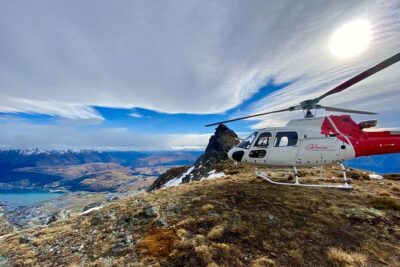
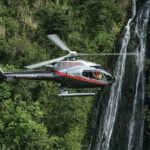
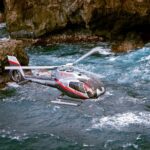
One more reason this works well: the aircraft setup. Maverick Helicopters runs Airbus EC130 helicopters, which are known for a passenger-focused window layout. A lot of rides in this area feel like you’re peeking out. Here, the windows are a real part of the experience.
You can also read our reviews of more tours and experiences in Maui.

Kahului Check-In and the Photo ID Rule You Must Not Forget
Start at the Kahului heliport. There’s no hotel pickup, so plan to arrive in good time on your own. This is not the tour where you can roll in right on the wire and hope for the best.
The non-negotiable item: FAA photo ID. For anyone 18 or older, you’ll need an original, government-issued photo ID at check-in (driver’s license or passport). Photocopies or digital IDs aren’t accepted. If you arrive without the required ID, check-in can be denied and there’s no refund.
This matters because it’s easy to assume you can “figure it out at the counter.” Don’t. Put the ID where you can grab it without thinking—same goes for shoes. The operator requires all guests wear shoes.
If you have a group, also note seat assignment. Helicopter seating is based on legal weight and balance, and seats can be assigned after check-in. The company doesn’t guarantee that you’ll sit next to the rest of your party.
Molokai North Shore: Tall Sea Cliffs, Kahiwa Falls, and Halawa Valley
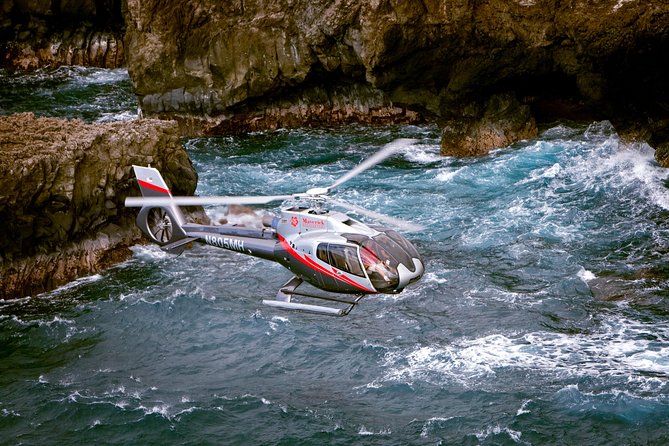
Molokai is the “less visited” island on this itinerary, and from the air that difference becomes obvious fast. After takeoff, you’ll spot the island jungle canopy from above and start crossing into a much more remote-looking coastline.
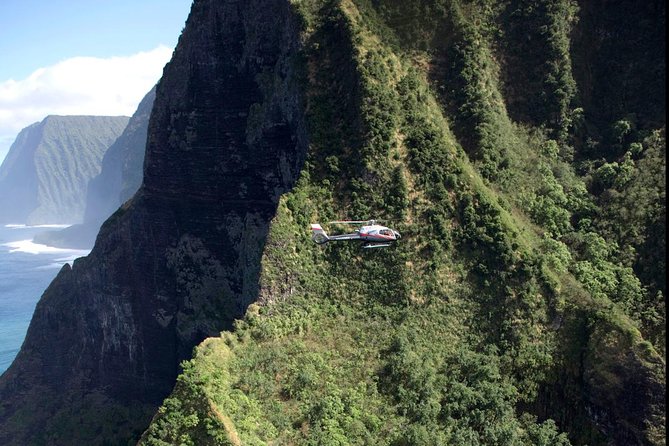
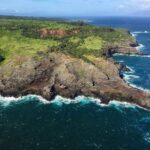
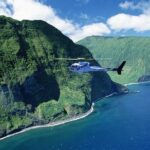
The big early payoff is the north shore’s dramatic vertical relief—the world’s tallest sea cliffs, over 3,000 feet (914 meters). That height changes everything you think you know about “cliffs.” From the ground, it’s impressive. From the air, you can see how the coastline drops straight into the ocean and how the terrain layers fold and break.
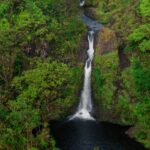
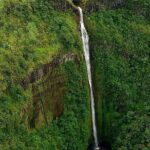
Then comes your first waterfall moment: Kahiwa Falls. These falls are some of the taller in the Hawaiian Islands, and flying overhead is one of the only ways to see how wide the surrounding area is and how the water sits within the valley walls. Expect the pilot to help you locate what you’re seeing so it doesn’t become random blur below.
Next, you’ll look down at Halawa Valley. On the ground, you’d spend time traveling to get a clear view. From above, you’re reading the valley’s shape right away—the way it funnels terrain and how it transitions into the ocean-facing side of Molokai.
This is also where narration helps. In recent rides, passengers repeatedly mention pilots who calm nerves and guide you through what you’re looking at. If you get anxious in helicopters, that kind of calm instruction is more valuable than you might expect. It’s not just about comfort; it helps you actually enjoy the flight.
The Pailolo Channel Sweep and Molokai Fish Ponds by the South Coast
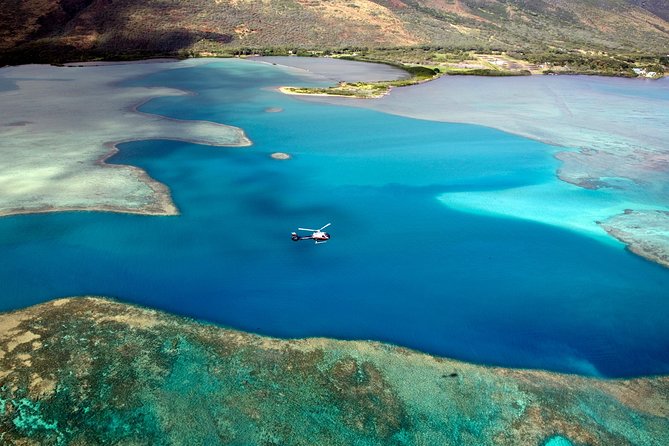
Between islands, you’ll cross the Pailolo Channel, the waterway between Molokai and Maui. This is a good moment in the flight because it gives your eyes a break from narrow cliff lines. You get a wider view of ocean spacing—waves, breaks in color over reefs, and the overall “layout” of the islands.
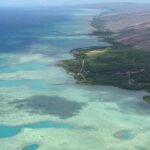
After that, the tour shifts attention south on Molokai for something totally different: the Molokai fringing coral reef and ancient fishponds. These fishponds were built around 800 years ago, and from above you can really see the geometry—how people used the coastline, and how the area changes from water to land edges.
If you’re the kind of traveler who likes more than just dramatic water and cliffs, this stop is one of the smartest inclusions on the route. Waterfalls look big. But fishponds help you understand human scale and time depth—how people shaped parts of the coastline for food and survival.
There’s also a practical expectation here. Helicopter flights aren’t museum tours. You’re moving continuously, and each view has a short window. So I’d treat the fishpond section like the “watch closely” part of the itinerary. If you try to film continuously from start to finish, you’ll miss the cleanest angles.
Back Over Maui: Iao Valley State Park and the West Maui Mountains
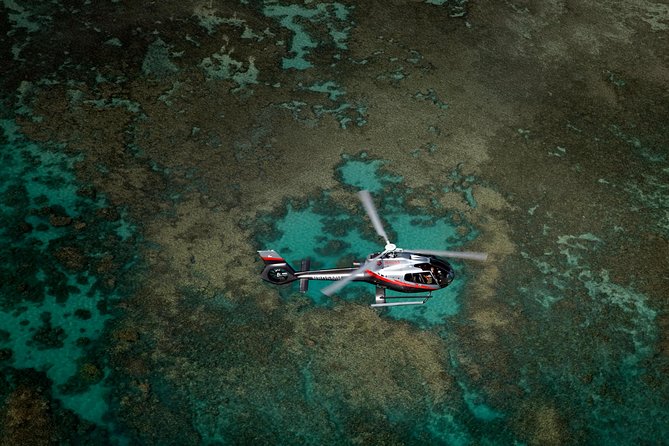
Once you’re back over Maui, the view shifts from Molokai’s remote feeling to Maui’s recognizable shapes—especially around major valleys and mountain ridges.
You’ll sweep across Maui’s western side while the pilot points out highlights like Iao Valley State Park and the West Maui Mountains. From the air, “lush” or “green” stops being a vague word. You see how the slopes fold, where moisture feeds the canopy, and where valleys carve lines through the ridges.
Iao Valley is famous for a reason, but the aerial view gives you extra context: you can understand why the valley feels enclosed and how it breaks up movement across the island. You’re not just looking at a single landmark; you’re seeing the terrain that made it that way.
The flight also gives you a sense of how varied Maui is, even when you’re moving along a single route. You might be looking at rainforest texture in one moment and then at a more rugged mountain edge the next. It’s one of those rides where the “story” is in the transitions.
If you’re traveling with someone who’s worried about safety, this is often when that worry drops—because the helicopter flight tends to feel steady and controlled, and the pilots’ narration helps keep everyone oriented.

Honokohau Falls and the Haleakala Glance Before Landing
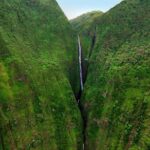
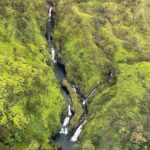
The Maui finale includes a clear waterfall highlight: Honokohau Falls. Maui’s tallest waterfall is one of the best ways to close a helicopter tour because it’s both high-impact and visually legible from above.
Keep an eye out for Haleakala volcano in the distance. The data doesn’t promise a full-face view, but it does say you can look for it during the last glances along the horizon. In practice, that means your timing and weather conditions matter. But even a partial look at Haleakala from the air tends to land as a memorable capstone.
Then you return to the heliport in Kahului to end the tour. It’s a short end. There’s no long “wrap-up” time because the core experience is the flight.
Comfort, Motion Sickness, and Seat Reality in the EC130
A helicopter can feel intense before you go. The good news is that a lot of first-timers do fine, especially when the pilot talks through what you’ll feel.
One of the most useful practical tips from rider feedback: if you’re prone to motion sickness, people often plan for it in advance (some recommend Dramamine about an hour before). If you try this, check with your doctor first, especially if you have medical considerations.
Also understand the “comfort and weight” rules upfront:
- Total weight per passenger must fit legal limits.
- There’s a maximum aircraft weight.
- Passengers weighing over 275 lbs will be required to purchase an additional seat on the day of the tour.
- Helicopter seating is assigned after check-in based on weight and balance, and the operator doesn’t guarantee you’ll sit together.
This is why the ride feels both safe and slightly less flexible than a car tour. You can’t negotiate seating. You can’t “just swap seats.” The aircraft has to balance as it flies.
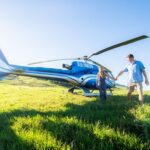
Bring sunglasses and plan for the fact that you’ll be looking through windows for much of the time. Cameras help too. The tour also takes a picture of you with the helicopter and pilot before departure, and it’s encouraged to take your own photos afterward.
One more small but important detail: only bottled water is permitted on the helicopter, and the operator doesn’t allow service animals on the flights.
Price and Value at About $375 a Person
$375.64 per person for a roughly 55-minute helicopter ride between two islands sounds expensive because it is expensive. The question is: are you buying a view, or are you buying transportation?
Here, you’re buying access. The route is built around aerial-only angles of sea cliffs, waterfalls, valleys, reefs, and fishponds. If your Maui trip already includes one boat day and a couple of land-based stops, this can still be a strong value because it adds a completely different perspective rather than repeating the same sights.
Also, the small capacity matters. With up to 7 passengers plus the pilot, you’re not stuck in a giant group where it’s hard to hear the commentary or see clean window angles. That intimacy is part of why this style of tour feels personal even though it’s not private.
Another value point: the tour is timed so you can cover Molokai highlights without needing to plan a full day there on the ground. If you’re trying to keep Maui as your home base, it’s one of the easiest ways to add Molokai without adding major logistics.
So I’d judge the cost against this: would you pay for a short, high-impact experience that you can’t easily reproduce with driving and hiking? If yes, this tends to make sense.
Who This Tour Fits Best (and Who Might Rethink It)
This is a strong fit if you want big views, short time, and an itinerary that covers multiple regions without car transfers.
It’s especially good for:
- Couples celebrating something (many rides mention anniversaries and first-time helicopter nerves being handled well)
- People who like waterfalls but also want the ocean-and-cliff context above them
- Travelers who don’t want a full day plan for Molokai but still want to see it properly
You might rethink it if:
- You need flexibility with seating for a specific group arrangement, because seat assignment is based on weight and balance.
- You’re strict about carrying food or drinks, because only bottled water is permitted.
- You’re relying on service animals, since they’re not allowed on these flights.
- You’re very sensitive to motion and haven’t planned for it. The flight may still be fine, but your planning matters.
Pregnancy isn’t listed as restricted, but if you’re in your last trimester, the data advises talking to a doctor.
Should You Book This Molokai and Maui Deluxe Helicopter Tour?
I’d book it if your Maui trip is more “see the best stuff” than “spend all day on the road,” and if you want an aerial view that connects Molokai’s cliffs, waterfalls, reefs, and fishponds to Maui’s Iao Valley and Honokohau Falls in one go.
I wouldn’t book it if the photo ID rule would be a hassle, if weight limits are a concern for anyone in your party, or if you know you need a specific seating arrangement. Also, set expectations for the experience: it’s a flight first, with continuous motion and brief moments for each view.
If you’re on the fence, here’s the simplest decision tool: if you’ve ever stood at a lookout on Maui and thought, I wish I could see how it all connects—this is that feeling, solved in under an hour.
FAQ
What is the duration of the Deluxe Helicopter Tour of Molokai and Maui?
The flight is about 55 minutes.
How much does the tour cost per person?
The price is $375.64 per person.
Do I need a photo ID to check in?
Yes. For travelers over 18, you need an original government-issued photo ID such as a REAL-ID compliant driver’s license or a valid passport. Photocopies and digital IDs aren’t accepted.
What are the rules for weight and seating?
Total passenger weight is limited. If you weigh over 275 lbs (124 kg), you’ll be required to purchase an additional seat payable to the operator on the day of the tour. Seating is assigned after check-in based on legal weight and balance limits.
Is there a minimum age to fly?
No minimum age is listed. Children under 2 can be lap children if they have valid paperwork and fly at no cost.
Are service animals allowed?
No. Service animals are not permitted on any of the helicopter flights.