REVIEW · MAUI
Maui & Molokai Spectacular with Exclusive Landing Helicopter Tour
Book on Viator →Operated by Blue Hawaiian Helicopters - Maui · Bookable on Viator
Want Molokai from the sky? This Maui and Molokai helicopter tour is built for big-picture Hawaii: cliffs, valleys, and coastline views you just can’t get any other way. You’ll launch from Kahului, fly over West Maui and the wind-carved look of the islands, then make an exclusive landing for a quick break.
I really like two parts of the setup: the Bose aviation-grade noise-cancelling headsets and the microphones with 2-way communication so you can actually hear the pilot and your guide. That makes the flight feel informative, not just scenic.
One consideration: your exact sights can change with weather, and check-in is strict. Plan for that 45-minute early arrival so you don’t lose your seat, and remember you’ll need dark clothing for photos.
In This Review
- Key Highlights That Matter (Not Just Marketing)
- The Kahului Launch: Why This Route Works So Well
- West Maui to Iao Valley: The Aerial View That Explains the Island
- Mauna Kahālāwai Peak: Seeing Height the Real Way
- Crossing the Channel to Molokai: Tall Sea Cliffs From the Only Angle That Makes Sense
- Ka’anapali and Kapalua: When Maui Turns Into That Classic Coastline
- The Exclusive Landing for Drinks: Why This Break Is More Than a Pause
- Bose Headsets and First-Class Seats: Comfort That Changes How You Enjoy the Flight
- Price and Value: What $614.90 Buys You (and What You Need to Plan)
- Timing, Clothing, and the Small Rules That Protect the Experience
- Weight Limits and Seat Balancing: One Rule That Can Affect Families
- Who This Tour Fits Best (and Who Might Prefer Something Else)
- Should You Book This Maui and Molokai Helicopter Tour?
- FAQ
- How long is the Maui and Molokai helicopter tour?
- Where is the meeting point, and where does the tour end?
- What’s included in the tour price?
- Is there a landing during the flight?
- Are there photo or video packages available?
- What is the passenger weight limit?
- What happens if weather cancels the tour?
Key Highlights That Matter (Not Just Marketing)
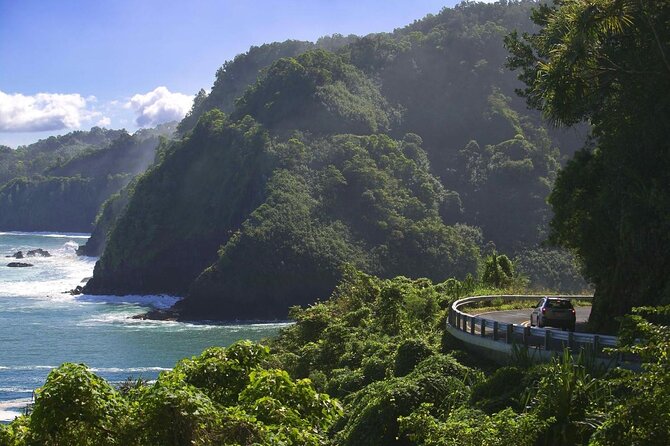
- Bose aviation headsets: clear audio even with rotor noise.
- 2-way communication: you can ask questions during the flight.
- Pilot guide is State of Hawaii certified: you get commentary that’s tied to the places you’re seeing.
- Exclusive landing + drinks: you’re not just strapped in the whole time.
- Small group size (max 6 people): less crowding around windows and over your time.
The Kahului Launch: Why This Route Works So Well
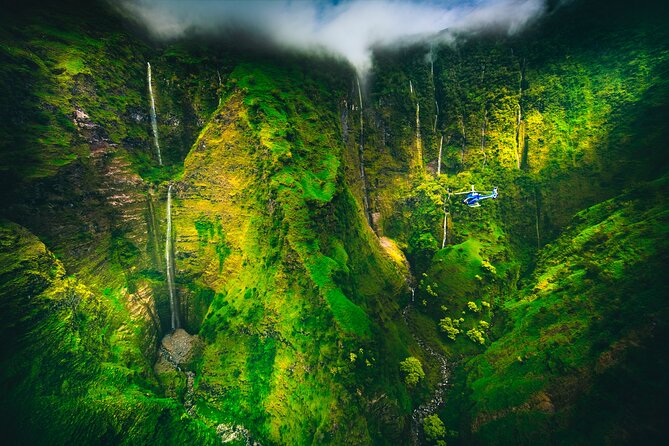
Most people see Maui by driving. This tour flips the order. In about 90 minutes, you jump from Kahului into the island’s vertical reality—higher ridges, sharper coastlines, and the way microclimates change the colors and textures as you move inland.
Starting from Kahului is also practical. You’re not piecing together multiple drives and long waits for separate tours. Instead, you get a single, time-efficient experience that hits West Maui, Iao Valley, and the channel crossing toward Molokai.
You can also read our reviews of more tours and experiences in Maui.

West Maui to Iao Valley: The Aerial View That Explains the Island
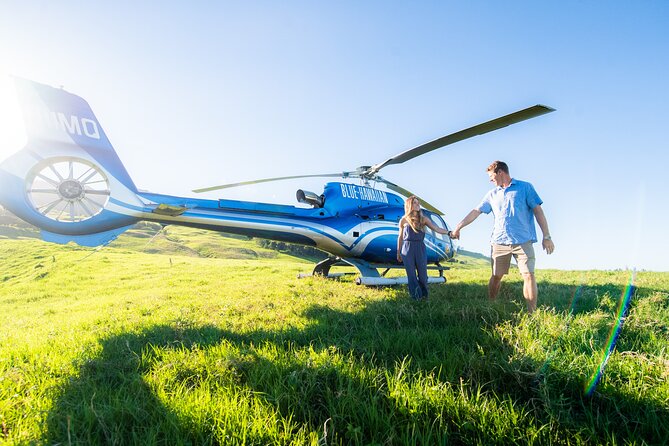
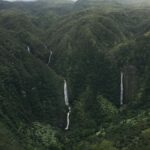
Once airborne, you’ll focus on West Maui’s rugged variety. You’ll see the west coast, the feel of cliffed coastline, and the way the island’s steep terrain shapes weather patterns. From above, the microclimates make sense fast—where one side looks drier or greener, and where valleys cut through the mountains like natural channels.
One stop focuses on an ancient population center and how it links the wider area to the Iao Valley and West Maui Mountains. Even if you only catch a few minutes of context, the aerial angle helps you understand why these places mattered: the geography guides where people could live, travel, and protect resources.
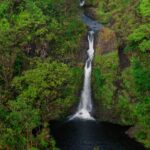
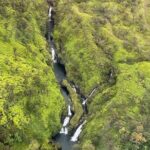
Then you’ll view Iao Valley through towering emerald peaks that guard the stream-cut valley floor. From the air, you’re looking into the shape of the valley itself, not just a distant viewpoint. It’s a classic Hawaii “scale shock” moment: the valley looks small from roads, but from above you see the cuts, bends, and the green that collects where water runs.
Mauna Kahālāwai Peak: Seeing Height the Real Way
The itinerary includes the highest peak of Mauna Kahālāwai in the West Maui Mountains. This is the kind of sight that’s hard to appreciate from ground level because mountains block each other. From a helicopter, you can track the contour of ridges, see what rises above what, and spot how the land transitions as altitude changes.
A nice benefit here is timing. You’re flying while the lighting is usually at its best for visibility, and that’s when peaks and valleys show texture. If you care about photos, this is where you’ll want to be ready—steady posture, dark clothing, and your camera safely stowed if it’s not allowed.
Crossing the Channel to Molokai: Tall Sea Cliffs From the Only Angle That Makes Sense
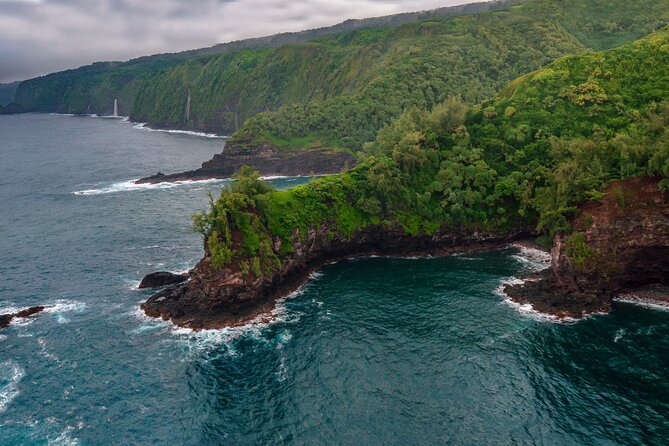
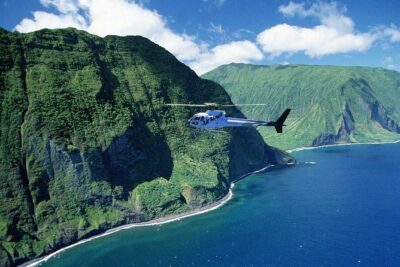
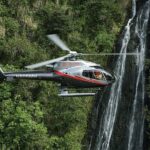
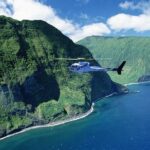
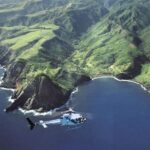
The big payoff arrives when you cross over to Molokai, a less-visited island that still has plenty of “only from the air” moments. The highlight here is the world’s tallest sea cliffs. Those cliffs are the kind of feature that doesn’t translate well to a parking-lot viewpoint because you need both height and distance to absorb the full scale.
From the helicopter, you’re not just seeing cliffs. You’re seeing how the ocean wall drops and how the shoreline breaks. That’s the difference between “I saw cliffs” and “I understood the coastline.” You’ll also get the feeling that Molokai has its own rhythm—less tour bus energy, more isolation—because the island’s shape naturally limits how much you can reach by road.
If conditions are right, you might also spot ocean wildlife on this run. One passenger experience mentioned seeing whales, turtles, and manta rays. Wildlife sightings aren’t guaranteed, but having a pilot who’s scanning constantly increases your odds versus staying on the ground.
Ka’anapali and Kapalua: When Maui Turns Into That Classic Coastline
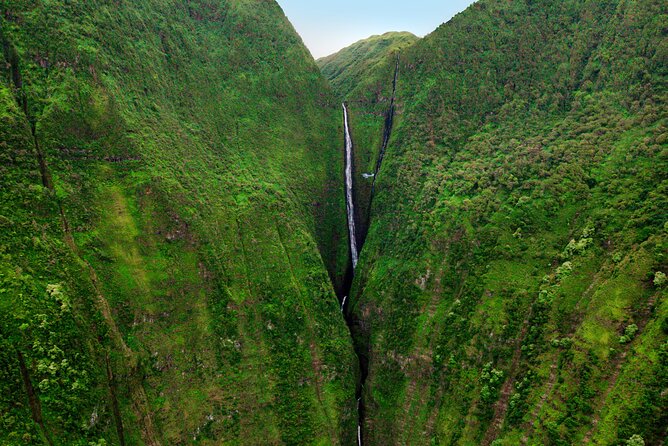
After Molokai, the route brings you back toward Maui’s famous resort coastline. You’ll fly over Ka’anapali, and then Kapalua, where the views swing from cliffs and valleys to smooth shoreline and that tidy, developed look people associate with West Maui.
This part of the flight helps you connect Maui’s two faces. The earlier sections show the island’s power—water cutting through rock, ridges rising fast. Then Ka’anapali and Kapalua show the other side: beaches, clear water, and carefully arranged golf-course terrain stretching along the coast.
Even if you’re not a golfer, Kapalua’s layout from the air is interesting because it shows how roads, coastline access, and land shape interact. You’ll get varied views in a short time, without spending your day behind the wheel.

The Exclusive Landing for Drinks: Why This Break Is More Than a Pause
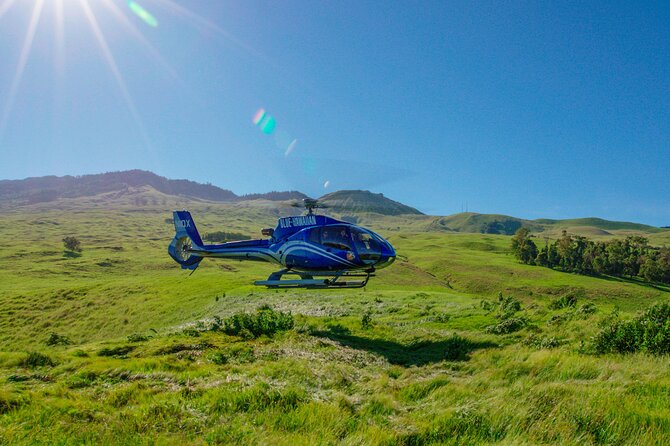
This tour includes an exclusive landing with vistas of the South Maui coastline and neighboring islands, plus drinks during the break. That’s a big deal, because most helicopter tours keep you inside the aircraft for the full flight.
When you land, you can do three things that are hard in the air. First, you reset your body after the time in your seat. Second, you can look outward without the frame of windows. Third, you get a moment for casual photo stops where you don’t have to fight both vibration and rotor wind.
It’s also a good time to double-check your priorities. If you care most about wildlife, focus your attention on the waterline from where you’re standing. If you care most about photos, you’ll have a clearer sense of angles and distances before reboarding.
Bose Headsets and First-Class Seats: Comfort That Changes How You Enjoy the Flight
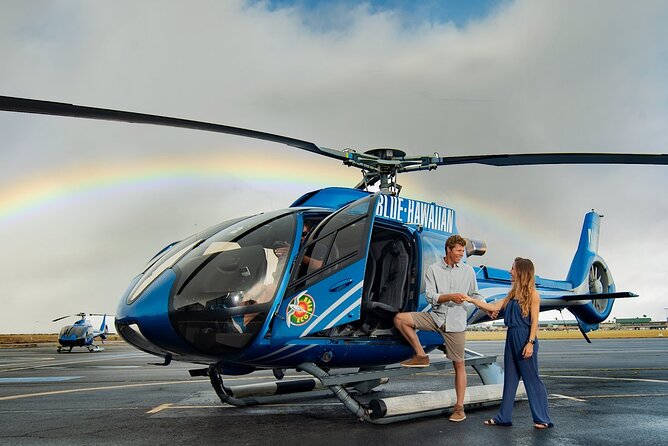
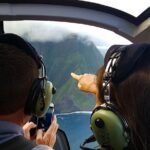
Noise-cancelling aviation headsets are the quiet MVP here. With rotor noise down, you’ll actually hear your pilot guide through the microphones and 2-way system. That turns the ride into a guided experience where you’re learning what you’re seeing.
The tour also provides microphones for communication with the pilot, and that matters more than people expect. When you can hear directions and commentary, you can keep your eyes on the views instead of guessing what’s coming next.
You’ll also sit in first-class-style seating with viewing windows. In plain terms: you’re set up to see. That sounds basic, but it’s the difference between feeling like you’re trapped and feeling like you’re on an aerial lookout.
Price and Value: What $614.90 Buys You (and What You Need to Plan)
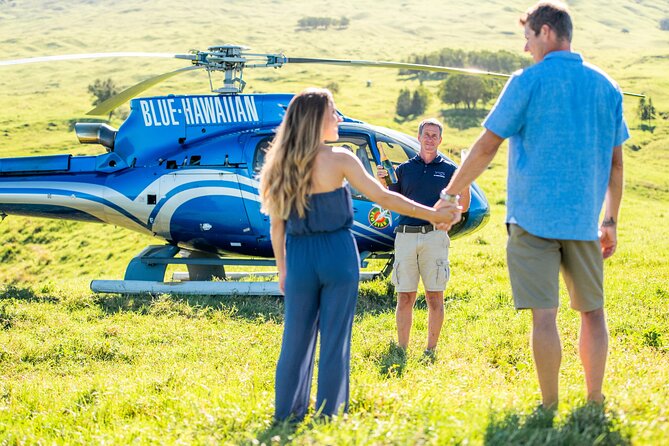
At $614.90 per person for about 1 hour 30 minutes, you’re paying for speed, access, and the fact that this is a small, guided flight (max 6 people). What helps justify the price is what’s already included: Bose aviation headsets, the 2-way communication system, and a pilot guide who’s also State of Hawaii certified. All fees and taxes are included too.
You do need to budget for the add-ons. After your flight, you can purchase USB photo and video packages. You’ll want a credit card because cash isn’t accepted at the heliport.
Also check what’s not included. You’ll handle transportation to and from the heliport, and parking is listed as a $7.00 USD fee.
If you’re deciding between this and a more ground-based Maui day, think about what you want most. If you want a quick hit of huge-scale geology and coastline angles, the helicopter wins. If you’d rather spend time on beaches and restaurants, this is more of a special day-ticket than a full vacation day.
Timing, Clothing, and the Small Rules That Protect the Experience
Check-in is 45 minutes before your tour time. It’s there for weight checks, a safety briefing, and seating so the flight can leave on time. Late arrivals aren’t accepted and non-refundable, so give yourself a buffer for traffic and parking.
The packing rules are simple but strict. Bags and large cameras aren’t allowed, and you can’t bring extending selfie sticks. If you want photos, plan to use what you can hold safely and quickly—without turning your gear into a safety issue.
Dress matters too. You must wear dark colored clothing so you don’t reflect in photos. It’s a small request with a real payoff: it improves how you show up in any onboard photography or window reflections.
One more safety note: no scuba diving within 24 hours of your tour departure. That’s the kind of restriction that’s easy to overlook if you’re stacking activities, so put it on your calendar early.
Weight Limits and Seat Balancing: One Rule That Can Affect Families
The tour has a total weight per passenger limit of 240 lbs. If anyone is over that, an adjacent empty seat is required to help balance the aircraft, and the second seat cost is half off the regular tour price. You’ll need to arrange that additional seat after booking.
If you’re traveling as a group, this rule is worth checking early so you don’t get surprised later. It’s not a deal-breaker, but it can change the cost and seating plan.
Who This Tour Fits Best (and Who Might Prefer Something Else)
This is a strong pick if you want:
- Big aerial views without spending your day in traffic
- A guided flight where you can actually hear the pilot guide
- A route that includes both Maui highlights and Molokai’s sea-cliff scale
- A short, structured outing rather than an all-day crawl
It’s also a good match for couples and small groups since the experience caps at 6 people. If you hate noise and prefer hearing the story behind the scenery, the headset and 2-way system are a big part of the value.
If you’re a traveler who wants maximum time on one beach or a full day of hiking, this won’t replace that. This is about aerial access and a quick landing break, not about long, slow exploration.
Should You Book This Maui and Molokai Helicopter Tour?
I’d book it if you’re the type of person who keeps looking at maps and thinking, I’d like to see what that ridge actually looks like. The combination of West Maui, Iao Valley, Mauna Kahālāwai, and the Molokai sea cliffs is a rare mix in one tight window. Add the exclusive landing with drinks, and it feels like more than a scenic lap.
Skip it (or consider a different plan) if your schedule is too tight for early check-in or if you’d struggle with the gear and clothing rules. Weather can also shift the exact sights, so if your trip is fragile, keep a little flexibility.
If you want one “wow” day that reframes Maui and gives Molokai the scale it deserves, this is a solid choice.
FAQ
How long is the Maui and Molokai helicopter tour?
It runs for about 1 hour 30 minutes.
Where is the meeting point, and where does the tour end?
You meet at Blue Hawaiian Helicopters, Lelepio Pl #1, Kahului, HI 96732, USA. The activity ends back at the meeting point.
What’s included in the tour price?
Included are Bose aviation-grade electronic noise-cancelling headsets, microphones with 2-way communication with the pilot, a pilot guide who is also a State of Hawaii certified tour guide, and all fees and taxes.
Is there a landing during the flight?
Yes. The tour includes an exclusive landing where you can take a break and enjoy drinks.
Are there photo or video packages available?
Yes. USB in-flight video and photo packages are available for purchase after the flight. You should bring a credit card, since cash is not accepted at the heliport.
What is the passenger weight limit?
The total weight per passenger is 240 lbs. If a passenger weighs over 240 lbs, an adjacent empty seat is required for safe aircraft balancing, and the second seat is half off the regular tour price.
What happens if weather cancels the tour?
This tour requires good weather. If it’s canceled due to poor weather, you’ll be offered a different date or a full refund.