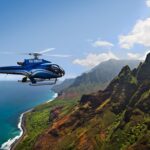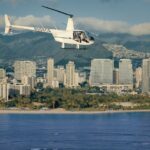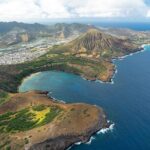
One long day, big lava energy. You’ll cover Hawaii Volcanoes National Park and then see it again from above on a Blue Hawaiian Helicopters ride. I like that the day includes both the drive-and-walk parts (steam vents, lava tube, Akaka Falls) and the helicopter views that make volcano country feel real fast. The main drawback to plan for: the helicopter experience is weather-dependent, and even the Kilauea fly-over isn’t guaranteed.
I also appreciate how the day is guided end-to-end. Guides like Dexter and Everett were praised for local knowledge and keeping the long schedule moving, and that matters when you’re trying to squeeze in multiple stops in one day. Still, it’s a full day—so if you hate tight timing, quick photo stops, and sitting in a helicopter seat with limited room, this won’t feel relaxed.
Finally, this is one of those tours where you can’t buy certainty for volcano sightings. At times, you may see smoke more than bright lava, because conditions change quickly.
In This Review
- Key things to know before you go
- How This Oahu-to-Hilo Volcano Day Actually Runs
- Blue Hawaiian Helicopters: The Safety Briefing and the Weather Reality
- Hawaii Volcanoes National Park: Kilauea and Mauna Loa From the Ground
- The Kilauea Stop: Fast Summit Views and Big-Scale Activity
- Steam Vents: Feeling Volcanic Power Up Close
- Nahuku–Thurston Lava Tube: Underground Time, Limited Minutes
- Akaka Falls and Hilo’s Banyan-Tree Coast Drive
- Price and Logistics: Where the Value Comes From (and Where It Can Sting)
- Who This Tour Fits Best on the Big Island
- My Take: Should You Book This Helicopter + Volcano Day Trip?
- FAQ
- Is the helicopter ride over Kilauea guaranteed?
- How long is the helicopter portion?
- What if the helicopter tour gets cancelled?
- Are lava sightings guaranteed?
- What’s included in the price besides the helicopter?
- Is there a weight limit for the helicopter?
- Do I need to match my name exactly to my ID?
Key things to know before you go
- Up to 12 travelers keeps the day from feeling like a cattle car (but it’s still a fast-moving schedule).
- A mandatory 45-minute helicopter safety briefing sets expectations and rules right away.
- Lava sights and a Kilauea fly-over aren’t guaranteed, even with good planning.
- You’ll move between active volcanic stops like Kilauea, steam vents, and the Nahuku–Thurston Lava Tube.
- Akaka Falls + Hilo coastline driving give you a break from lava without losing the Big Island vibe.
How This Oahu-to-Hilo Volcano Day Actually Runs
This trip is built for maximum contrast: you start from Oahu, fly to Hilo, tour Hawaii Volcanoes National Park in one long stretch, then finish with waterfall and coastline time before heading back.
Expect an around-12-hour day. That means you’ll eat lunch with the group, move between stops on an air-conditioned vehicle, and rely on a professional driver/guide for the narration. The good news is that you’re not figuring out directions, parking, or time windows on your own. The trade-off is you’re on someone else’s rhythm.
Also note the scale: the tour can run with a maximum of 12 travelers. In practice, that often means more chance to hear explanations and ask questions during the drive, especially compared with bigger bus tours.
You can also read our reviews of more tours and experiences in Oahu.
Blue Hawaiian Helicopters: The Safety Briefing and the Weather Reality
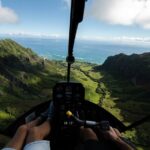
The helicopter portion starts with a mandatory 45-minute safety briefing. That’s not a small detail. It usually means you’ll spend more time “getting ready” than you expected, but it also explains why pilots can fly tightly over rugged terrain. If you’re prone to nerves, treat that briefing like a gift: you’ll know the rules, and you’ll have fewer surprises once you’re airborne.
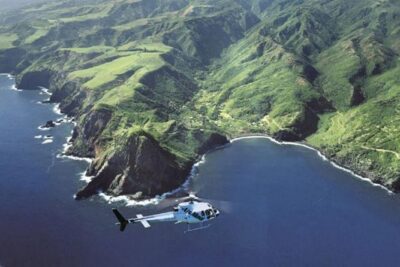
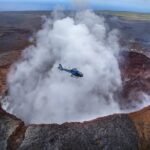
The ride itself is 45 minutes with Blue Hawaiian Helicopters. Here’s the key catch: a Kilauea fly-over is not guaranteed, depending on weather. You’re still very likely to fly over lava fields and volcanic areas, but the exact view can change on the day.
Before you even take off, plan for an FAA reality check: you and your bags get weighed at check-in for the helicopter portion. If you’re over 240 lbs, you’ll be contacted about a comfort seat surcharge (an additional seat) for safety and comfort. If you don’t give accurate weight, you can create problems right when you’re trying to enjoy the flight.
One more consideration: the helicopter ride can be tight. At least one couple reported discomfort from seat space and limited visibility from certain seats. You’re not choosing luxury here; you’re buying a perspective you can’t get from the road.
If the helicopter portion gets cancelled by the provider (weather), you’ll get a refund for the helicopter portion and be offered an extended sightseeing tour instead.
Hawaii Volcanoes National Park: Kilauea and Mauna Loa From the Ground
Once you land and drive in, the park becomes your main event. You’ll spend about 2 hours at Hawaii Volcanoes National Park, where you’ll hear about both Kilauea and Mauna Loa.
The park visit connects history and geology to what’s happening now. The tour information references Kilauea’s latest eruption in June 2023, when lava fountains reached up to 50 feet. Even if your day doesn’t line up with an active eruption, the area still teaches you how these volcanoes behave—slow-moving flows in some areas, big changes in others, and constant reshaping of the ground.
You’ll also pass Chain of Craters Road, a 19-mile (31 km) winding route through the park’s East Rift and coastal area. Some segments may be inaccessible depending on current conditions. That’s normal in active terrain. The practical tip: build your expectations around the fact that roads and pull-offs can change quickly.
What I like most about the park timing on this kind of tour is how it blends “big picture” stops with quick hits. You get just enough time at each location to appreciate the scenery and then move on before the day stretches past its limits.
The Kilauea Stop: Fast Summit Views and Big-Scale Activity
You’ll get a focused stop at Kilauea Volcano (about 20 minutes). This is where your brain tries to compress the idea of an active shield volcano into something you can photograph in a short window.
The information given for the tour points to the June 2023 eruption from vents within Halema’uma’u, a pit crater in the summit caldera. In other words, it’s not just about “a volcano exists.” It’s about how the eruption site relates to the landscape you’re standing near.
This is also where the uncertainty becomes real. One couple in 2025 reported seeing mostly smoke and being disappointed because the volcano wasn’t active at the time. That doesn’t mean the tour is lying; it means you’re visiting a living system, and you’re fitting a human schedule into it. If you can accept that you might not see dramatic lava every minute, the park still delivers.
Steam Vents: Feeling Volcanic Power Up Close
Right after Kilauea, you’ll stop at steam vents (about 20 minutes). This part is surprisingly memorable because it’s not just visual. You can often see steam rising and feel the idea of heat rising from below.
Groundwater seeping into volcanic rock is the mechanism described for this stop. That’s the kind of simple explanation that makes the scenery make sense. You’re not only looking at rock and imagining processes—you’re being shown a reason why it’s doing what it’s doing.
It’s also a place where timing matters. Steam vents are most striking when you arrive with attention, not when you’re already mentally exhausted. If you tend to get quiet as the day gets long, force yourself to stay present here.
Quick note for comfort: if you have asthma or other respiratory problems, you should consider other tours. The guidance warns about potential health issues from exposure to fumes.





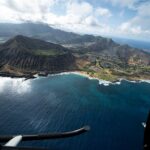
Nahuku–Thurston Lava Tube: Underground Time, Limited Minutes
Next comes the Nahuku–Thurston Lava Tube (about 20 minutes). This is a tropical forest area with a long subterranean cave formed by ancient flowing lava. The idea is great: step from bright daylight into the structure created by old lava.
One review mentioned disappointment because access to walking through the lava tube was closed for an extended period, and that wasn’t clearly flagged. I can’t promise what will be open on your specific travel date, but I strongly recommend checking what portions are accessible before you go. Ask the operator if they can confirm what you’ll be able to walk through on your departure day.
Even if your access is more limited than you hoped, the concept of a lava tube still hits hard. It’s one of those places where you realize the volcano wasn’t just an explosion—it was a builder.
Akaka Falls and Hilo’s Banyan-Tree Coast Drive
After the volcanic stops, the day shifts to something softer: Akaka Falls State Park (about 20 minutes). You’ll view the waterfall from a lookout point in a jungle setting.
This stop works as a reset. You’re moving from ground heat and rock textures to water sound and greenery. It also helps you get a clear photo without needing hiking time. If you’re traveling with kids or anyone who gets tired easily, Akaka Falls is usually a good fit because it’s time-efficient.
Then you’ll drive through Hilo Town, including the coastline with banyan tree-lined streets known as the Hilo Walk of Fame. That drive matters because it keeps the day from feeling like one long lab tour. You get a sense of how Hilo sits against the island’s natural forces.
If your guide is on point, this is also when you’ll hear good context about what you just saw and why the Big Island’s geography shapes everyday life.
Price and Logistics: Where the Value Comes From (and Where It Can Sting)
At $987.82 per person, this is not a cheap day trip. So I looked at it the way you should: what are you actually buying?
You’re paying for three big-ticket pieces, all in one package:
- the interisland round-trip airfare (with overage charges possible depending on flight availability),
- the 45-minute helicopter tour (weather-dependent on specifics, and weight rules apply),
- and a guided drive through Hawaii Volcanoes National Park with stops plus lunch.
Admission tickets are listed as included for multiple park elements, which helps justify part of the overall total.
Where it can sting:
- Weight/comfort-seat fees can add cost if you’re over 240 lbs and need an extra seat.
- Helicopter visibility and lava sightings aren’t guaranteed, so you’re paying partly for the chance to see certain things.
- The schedule is tight. Some people will love that. Others will feel rushed.
I also recommend mentally bracing for “limited video and photo extras” if that’s something you care about. One passenger noted a paid video option was expensive and they didn’t feel their seat got good camera visibility. If you want a video, ask ahead what footage covers and what your seat location typically films.
Who This Tour Fits Best on the Big Island
This tour is best for you if:
- you want active-volcano scenery but don’t want to self-drive and guess timing,
- you’re comfortable with a long day and quick stop durations,
- you’re excited by helicopter perspective over lava fields and falls,
- and you’re okay with the reality that the volcano may show smoke more than dramatic lava that day.
It may be a mismatch if:
- you need a calm, unhurried itinerary (this isn’t it),
- you’re sensitive to tight seating in the helicopter,
- you have asthma or respiratory issues and want to avoid potential fumes,
- or you have a strong need for guaranteed lava views. The tour explicitly warns lava sightings aren’t guaranteed, and the Kilauea fly-over isn’t guaranteed either.
Families can work well here too. One review described the trip with children and praised how the team arranged transport between hotel and the airport and greeted them in Hilo. That said, the day is still long, and little ones will have to handle the schedule.
My Take: Should You Book This Helicopter + Volcano Day Trip?
If your top goal is seeing Kilauea area from both the ground and the air, this is a strong choice. I especially like the combination of quick technical stops (steam vents), a classic underground stop (Nahuku–Thurston Lava Tube), and a waterfall finish that keeps the day from feeling only about heat and stone.
Book it if you can handle:
- a full-day schedule,
- weather-based changes,
- and the helicopter weight rules.
Before you pay, do three practical checks:
1) Confirm what’s currently open at the lava tube (access can vary).
2) Be accurate about weight so you don’t get surprised by a comfort seat fee.
3) Accept that volcano viewing is conditional. If you want certainty, you’ll feel disappointed; if you want an experience and a chance at spectacular views, you’re in the right place.
FAQ
Is the helicopter ride over Kilauea guaranteed?
No. A Kilauea fly-over is not guaranteed and depends on weather conditions.
How long is the helicopter portion?
The helicopter tour is 45 minutes.
What if the helicopter tour gets cancelled?
If the helicopter tour is cancelled by the provider, you’ll receive a refund for the helicopter portion (at a rate determined by the tour provider). You’ll also be welcomed on an extended sightseeing tour.
Are lava sightings guaranteed?
No. Lava sightings are not guaranteed.
What’s included in the price besides the helicopter?
The tour includes interisland round-trip airfare (with possible overage charges), a guided tour with narration, admission tickets for listed stops, lunch, and an air-conditioned vehicle.
Is there a weight limit for the helicopter?
Yes. Passengers and bags must be weighed for FAA regulations. If you’re over 240 lbs, you’ll be contacted about a comfort seat charge for an additional seat.
Do I need to match my name exactly to my ID?
Yes. The name entered at booking must match your government-issued ID photo exactly, per TSA and FAA requirements. If you’re denied boarding, there will be no refund.
If you want, tell me your travel month and how important the helicopter view is to you (versus just seeing the park). I can help you decide whether this is your best “Big Island” use of time.